



01/08 Natural Sci.
The 9,000-year-old reason you don't want to eat a cricket
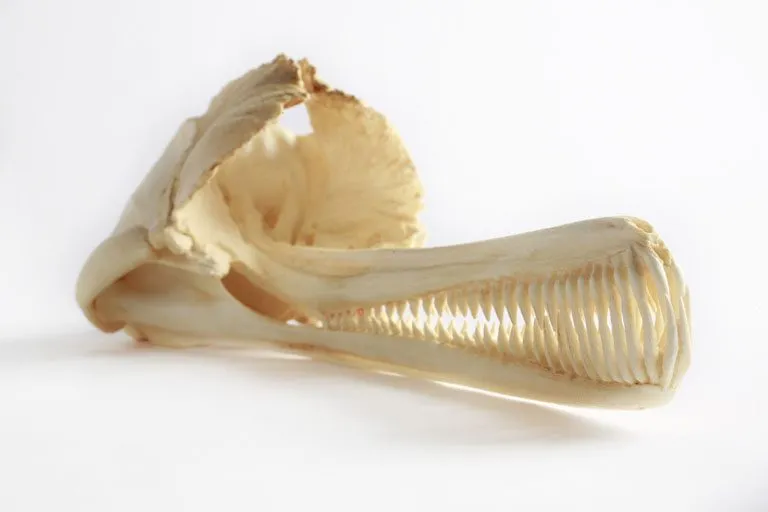
Researchers at the Institute of Evolutionary Biology in Barcelona went looking for insects in the last place you'd think to check: the tartar on 745 sets of ancient teeth, some as old as 33,000 years 1.

What they found was a map of who ate bugs and who didn't. Neanderthals, it turns out, appear to have eaten insects fairly often. Modern humans across northern Eurasia mostly didn't, and the genetic fingerprint of that choice is still with us: mutations in the genes that break down chitin, the tough material in an insect's exoskeleton, took hold there roughly 9,000 years ago, right around when farming took over. Populations closer to the tropics kept the fully functional version of those genes, the ones that make a beetle actually digestible.

