





Human brain cells wired themselves into a living mouse
A team at Stanford, led by neuroscientist Sergiu Pașca, genetically engineered mice so their cerebral cortex and hippocampus never developed, calling the result "apallial" mice 104256.
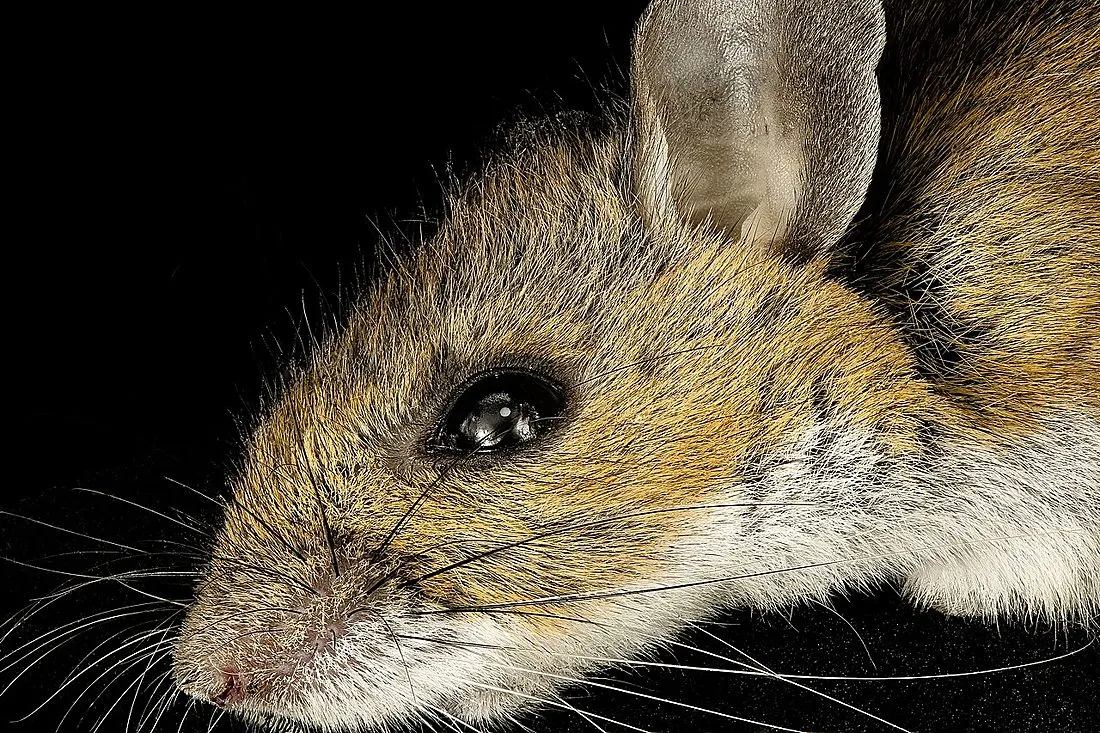
Into that empty space they transplanted human cortical organoids, tiny lab-grown clusters of brain tissue built from stem cells. Within three months the human tissue had grown to make up more than 90 percent of the cortical volume in the mouse's skull 25104. It formed its own blood vessels, wired itself into the mouse's existing nervous system, went electrically active, and sent projections all the way down into the spinal cord 104220. The mice, now called "xenocortical," moved around a small arena while cameras tracked their speed and position on a monitor 250. Pașca is careful about what this is and isn't: "They have a mouse nervous system, mouse sensory organs, and mouse subcortical structures," he told ScienceAlert. "What is unusual is that most of the cortical tissue present in these animals is human-derived" 104.
What each field noticed (2)

Scientists shrank mice's brains and replaced the missing tissue with human 'organoids'
Live Science leaned into the biology of the workaround itself: human neurons mature far slower than mouse neurons, so earlier attempts to grow organoids in normal rodent brains had the two species' cells competing for the same territory and losing. Emptying the cortex first solved that timing mismatch, giving the slower human tissue room to actually finish developing 25.
Read the story Ars Technica
 Researchers swap in human brain cells for a mouse's cortex
Ars Technica framed it as an engineering answer to organoids' biggest limitation: a dish of brain tissue has no blood supply, no sensory input, and no muscles to move. Wiring the tissue into a living, awake animal's full nervous system is what finally lets researchers watch it behave like part of a real brain instead of a lonely lab sample 220.
Read the story