

The daily brief · September 19, 2026

Cells that cheat death, and a robot pen that could catch Parkinson's for $200

Today's discoveries share a quiet theme: the body and the sky are both better at repair and reinvention than we usually give them credit for.

  • 8 Discoveries
  • 219 Articles read
  • 46 Sources
  • 11 Min read

Today’s discoveries

Everything this morning found, in the order we would read it.

8 stories
  1. 01 Natural Sci. The cells that survive their own death sentence Half a century ago, researchers blasted fly larvae with radiation and watched something strange happen: despite catastrophic damage, the larvae grew perfectly normal wings anyway. Source: ScienceDaily 1 min read
  2. 02 Natural Sci. A brain protein that turns back the clock in aging mice A small brain region called the hypothalamus, better known for regulating appetite and metabolism, may also be quietly setting the pace for how the rest of the body ages. Source: ScienceDaily 1 min read
  3. 03 Natural Sci. The Moon just got a crater the size of two football fields, and nobody saw it happen Robert Wagner was doing routine work with NASA's Lunar Reconnaissance Orbiter data when a bright patch with a dark halo stopped him cold. Source: ScienceDaily 1 min read
  4. 04 Social Sci. A $200 pen that could catch Parkinson's before the doctor can Among a fresh cohort of grants from Emergent Ventures India, one entry stands out for its sheer audacity: a 17-year-old named Arnav, from Navi Mumbai, received funding to build a… Source: Marginal Revolution 1 min read
  5. 05 Psychology A garden chore that lowers blood pressure better than a card game Researchers in Shanghai recruited 100 older women, average age 68, living in a nursing facility, and had them do two very different ten-minute activities on different days: watering… Source: PsyPost 1 min read
  6. 06 Social Sci. Learning a language may be the cognitive workout your aging brain actually wants A linguist who studies language loss across the lifespan lays out why picking up a new language may be a sharper cognitive workout than the usual advice of crosswords or Sudoku. Source: The Conversation 1 min read
  7. 07 Plant-Based Nearly eight billion chicks are culled a year, and the technology to stop it already exists Every year, roughly eight billion male chicks are killed shortly after hatching because they're useless to the egg industry: they don't lay eggs, and they don't grow the way meat breeds do. Source: Mercy For Animals 1 min read
  8. 08 Good News A blind chimpanzee named Pierre can see his best friend again Pierre, a 54-year-old chimpanzee at Chimp Haven, the world's largest chimpanzee sanctuary, had gone completely blind from cataracts. Source: Good News Network 1 min read

The feel-good story of the day

a woman planting or tending trees outdoors Unknown (via rawpixel)
Pictured a woman planting or tending trees outdoors

The woman who spent her life making the world greener, one tree at a time

Today marks the birthday of Wangari Maathai, born September 19, wait, actually her birthday was April 1, 1940, so this space is better used honoring a different kind of quiet persistence from today's news: Ella, a 104-year-old Navy veteran who joined up by herself in 1943 at age 23 after her mother told her, "If I were your age, I would do the same thing" 203.

Ella trained in Boston, served as a bookkeeper and, later in life, drove a school bus for years after raising three children who gave her grandchildren and, eventually, four great-great-grandchildren. She met her husband while stationed in Oklahoma, and the friend she made on the train to boot camp stayed her best friend for 81 years, until she passed a year ago. Told by a documentarian that she might end up "on TV," Ella lit up: her plan for her 105th birthday next April is simple. "Take me to a dance."

It's a life built from ordinary, repeated choices, showing up, working, staying close to people, that add up to something worth stopping a stranger on the street to hear about.

Today’s complete edition

The discoveries, in full

Read the evidence, what it changes, and the reporting behind each of today’s 8 discoveries.

01/08 Natural Sci.

The cells that survive their own death sentence

Half a century ago, researchers blasted fly larvae with radiation and watched something strange happen: despite catastrophic damage, the larvae grew perfectly normal wings anyway.
a research scientist examining tissue samples under a microscope in a lab
Pictured a research scientist examining tissue samples under a microscope in a lab · Axislit (Wikimedia Commons)

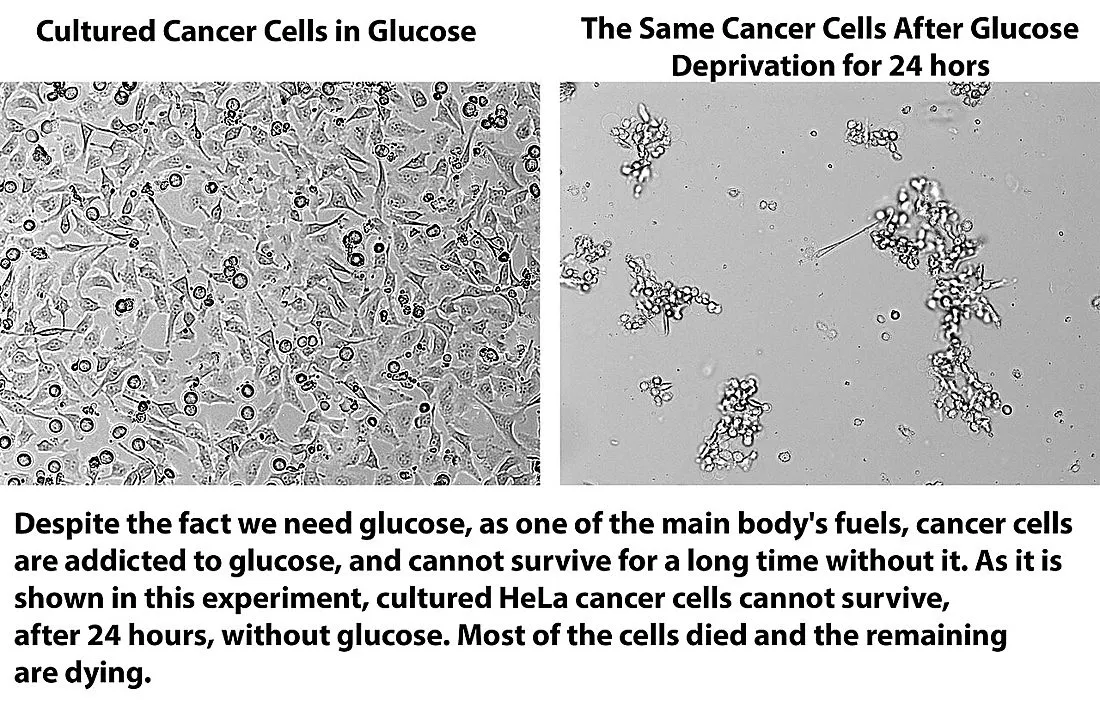
Nobody could fully explain how until now. A team at the Weizmann Institute of Science, publishing in Nature Communications, found that certain cells can start down the path of apoptosis, the carefully orchestrated process that kills damaged or unwanted cells, and then simply not finish it 8. The molecular machinery involved, enzymes called caspases that are usually cast as the executioners of the cell world, instead helps these survivors come out the other side hardier than before, ready to help rebuild whatever tissue was destroyed. It is the biological equivalent of walking into surgery and walking out with armor.

02/08 Natural Sci.

A brain protein that turns back the clock in aging mice

A small brain region called the hypothalamus, better known for regulating appetite and metabolism, may also be quietly setting the pace for how the rest of the body ages.

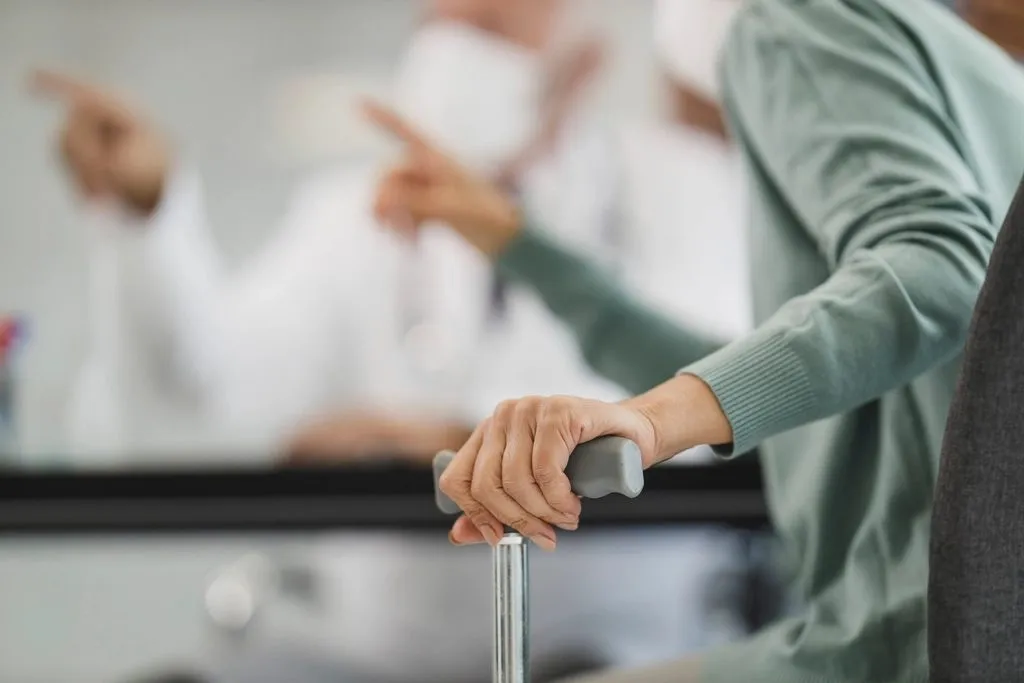
an elderly person's hands, close up, showing thin skin
Pictured an elderly person's hands, close up, showing thin skin · Unknown (via rawpixel)

Researchers led by Lige Leng at Xiamen University found that a protein called Menin declines with age in a specific set of hypothalamic neurons, and that this decline tracks with weaker bones, thinner skin, and worse memory in mice 5. When they engineered young mice to lose Menin early, those mice developed the same problems on a shortened timeline, aging faster and dying sooner. Restore the protein, and several of those effects reversed. A related amino acid, D-serine, whose levels fall when Menin does, separately improved the mice's cognition when supplemented on its own.

03/08 Natural Sci.

The Moon just got a crater the size of two football fields, and nobody saw it happen

Robert Wagner was doing routine work with NASA's Lunar Reconnaissance Orbiter data when a bright patch with a dark halo stopped him cold. "I just stopped, dropped everything, and started looking into what that spot was," he said 10.

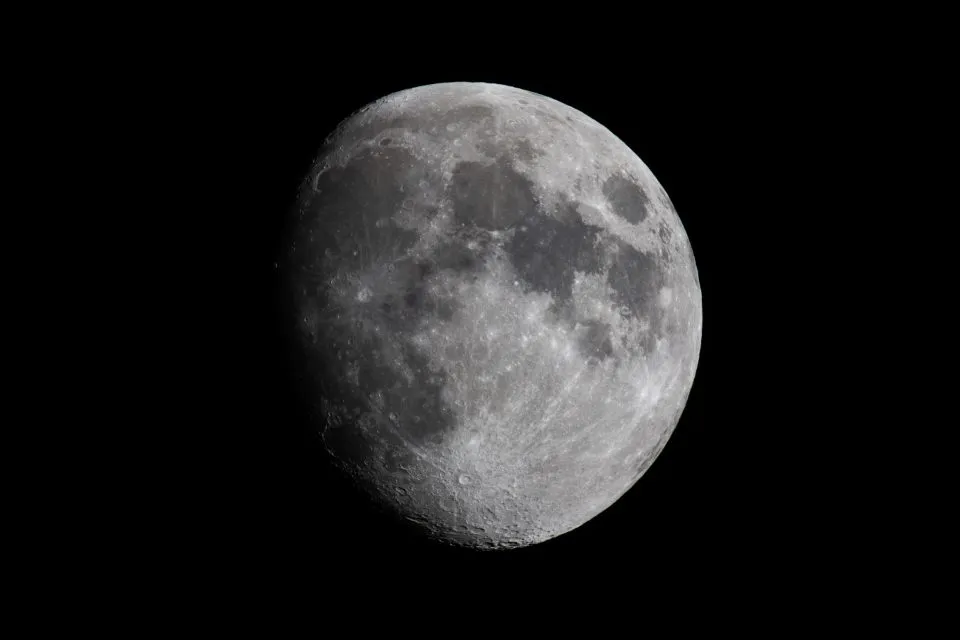
the Moon's cratered surface, full lunar disc
Pictured the Moon's cratered surface, full lunar disc · Matt Bango (via stocksnap)

What he'd found, reported September 16 in Science Advances, was a brand-new impact crater, 728 feet wide and 141 feet deep, big enough to swallow three school buses stacked on top of each other. It formed sometime between April and May of 2024, when a rock the size of a small building slammed into the Moon's surface with no atmosphere to slow it down. Scientists estimate an impact this size happens on the Moon roughly once a century.

04/08 Social Sci.

A $200 pen that could catch Parkinson's before the doctor can

Among a fresh cohort of grants from Emergent Ventures India, one entry stands out for its sheer audacity: a 17-year-old named Arnav, from Navi Mumbai, received funding to build a diagnostic pen meant to screen for Parkinson's disease for around $200, as an alternative to a scan that currently costs $3,000 112.

A $200 pen that could catch Parkinson's before the doctor can
Candace McDaniel (via stocksnap)

He's in good company. The same round backed Sarthak Ahuja's Hypertensight, a smartphone-based tool for detecting hypertensive retinopathy already deployed in 18 Indian villages, and Avi Mohan Kumar Shukla's solar-powered AI system that uses seismic and radar sensors to warn villages in Jharkhand before elephants wander into farmland.

05/08 Psychology

A garden chore that lowers blood pressure better than a card game

Researchers in Shanghai recruited 100 older women, average age 68, living in a nursing facility, and had them do two very different ten-minute activities on different days: watering fifteen potted plants by hand, or playing Klondike Solitaire on a computer 82.

Today Got Better

Everyone did both, so each woman served as her own comparison. Blood pressure cuffs and EEG headbands measuring frontal lobe activity, the brain region tied to attention and emotional regulation, showed that watering plants produced measurably calmer readings than the card game did.

06/08 Social Sci.

Learning a language may be the cognitive workout your aging brain actually wants

A linguist who studies language loss across the lifespan lays out why picking up a new language may be a sharper cognitive workout than the usual advice of crosswords or Sudoku 125.

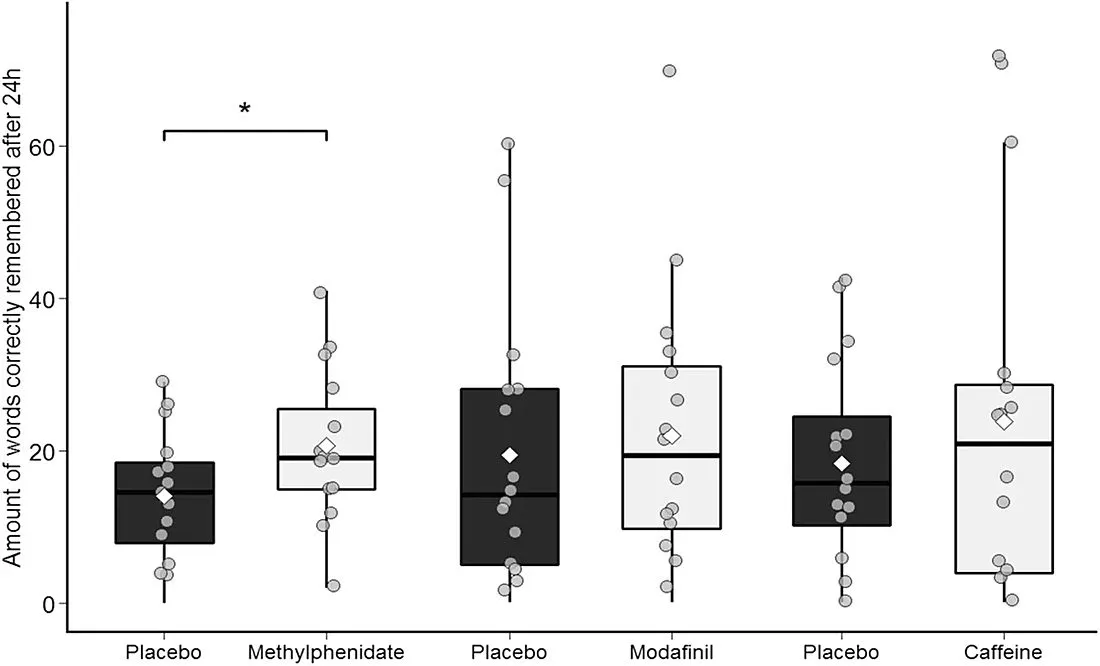
an older adult studying a language textbook
Pictured an older adult studying a language textbook · Authors of the study: Dimitris Repantis, Leonore Bovy, Kathr (Wikimedia Commons)

Learning a language forces the brain to juggle sound recognition, vocabulary retrieval, grammar rules, and real-time listening and speaking all at once, and studies of bilingual brains have found measurable differences in both gray matter density and white matter integrity compared to people who speak only one language. Some research has also found that bilingual people who go on to develop dementia show symptoms at a later age than people who speak just one language.

07/08 Plant-Based

Nearly eight billion chicks are culled a year, and the technology to stop it already exists

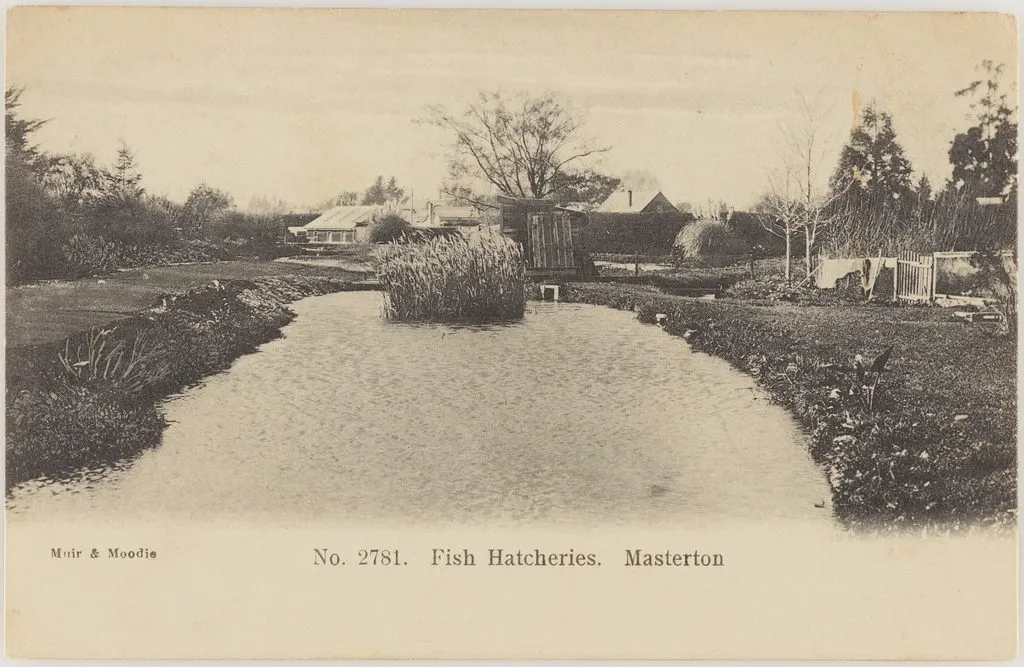
Every year, roughly eight billion male chicks are killed shortly after hatching because they're useless to the egg industry: they don't lay eggs, and they don't grow the way meat breeds do 166.

a hatchery with rows of chicken eggs in incubators
Pictured a hatchery with rows of chicken eggs in incubators · museumofnewzealand (via rawpixel)

A new investigation filmed inside a Brazilian hatchery documented the standard method, chicks conveyed into a macerator alive. But the story here is that the alternative isn't hypothetical. In-ovo sexing technology, which determines a chick's sex before it hatches, is already working at scale: Norway adopted it in 2023 and has committed to phasing out chick culling entirely by July 2027, and Switzerland began its own transition in 2025. The technology has reached the US and Brazilian markets too, and Canada is developing a version that can detect sex as early as day four of incubation.

08/08 Good News

A blind chimpanzee named Pierre can see his best friend again

Pierre, a 54-year-old chimpanzee at Chimp Haven, the world's largest chimpanzee sanctuary, had gone completely blind from cataracts 181. Getting him ready for surgery took months: caregivers used positive reinforcement training to teach Pierre, while still blind, to voluntarily present his eyes for care so the team could safely administer eyedrops afterward.

a chimpanzee at a sanctuary
Pictured a chimpanzee at a sanctuary · Tajai (User Cayce) (Wikimedia Commons)

Dr. Kenneth Pierce, a board-certified veterinary ophthalmologist, performed the procedure, the first cataract surgery in the sanctuary's history. Within hours, Pierre was responding visually to a longtime caregiver. Within days, he'd reunited with Jill, one of his closest chimpanzee companions, and returned to his social group earlier than the team expected.

Quick notes

Shorter discoveries from this morning, worth knowing but not a full story.

Unsealed for the First Time, This 600-yo Tomb in Peru Was Just Declared the 'Discovery of the Decade' Archaeologists opened an untouched Chimú tomb at Chan Chan in Peru containing 38 skeletons and gold, copper, and textile grave goods that had sat undisturbed since the 1400s, giving scientists their first real data on Chimú elite burials instead of relying on looted fragments 180. Only 7 percent of the site has been excavated so far. Good News Network
New Cat Species Identified for the First Time in Over 100 Years A Bolivian biologist chased down a "weird cat" reported by a local villager for half a decade of genomic work and confirmed Leopardus tilcayo, the first new wild cat species described since 1923 182. It's named for what the indigenous Yungas community has always called it. Good News Network
Injured Pelican Knocks on NOAA Fisheries Office Door Looking for Help A pelican in Florida, tangled in fishing line with a hook embedded in its wing, tapped on the door of a NOAA office with its beak until staff came out and freed it in about ten minutes 184. It flew off clean. Sunny Skyz
7.47 Lakh Solar Pumps in Maharashtra Maharashtra has installed over 747,000 solar irrigation pumps, once setting a Guinness World Record for installing 45,911 solar pumps in just 30 days, freeing farmers from diesel costs and unreliable grid power at three in the morning 185. The Better India
A Farmer's Son Saw His Father Struggle. Now He Helps 50,000 Farmers Earn From Solar Power Bhavesh Patidar grew up hearing his father say he'd spent his whole life farming without ever earning well; he tested solar power on his own family's land and built it into Solarsure, which has since helped over 50,000 farmers turn their fields into a second, steadier income stream 190. The Better India
This Simple Method Helps Gujarat Farmers Store Excess Rain Underground Bhungroo sends monsoon floodwater 100 meters underground through a drilled pipe, turning the ground itself into a seasonal water bank that farmers draw on during the dry months, cutting both waterlogging and drought damage with the same system 193. The Better India
Study: Eating Cruciferous Vegetables Could Lower Colon Cancer Risk by 20 Percent A review of 17 trials and nearly 97,000 people found that eating 20 to 40 grams a day of broccoli, cauliflower, or Brussels sprouts, roughly a cup, cut colon cancer risk by a fifth, with benefits leveling off beyond that amount 175. VegNews
First for RNA therapy: man with rare motor-neuron disease improves after treatment A man with a rare genetic form of ALS became the first person to receive an RNA-based drug targeting his specific mutation, and a year later he's still working as a physician, with researchers calling it an "exciting first step" toward treatments for other rare neurodegenerative mutations 18. Nature
Weight-loss drug semaglutide accelerates recovery from brain inflammation in mice Mice given semaglutide before a bacterial inflammatory challenge didn't avoid the initial immune spike, but their brains recovered noticeably faster afterward, hinting at why patients on GLP-1 drugs seem to show lower dementia rates 85. PsyPost
To read 2,000-year-old burned scrolls, scientists burn their own A Berkeley SETI affiliate deliberately incinerated his own hand-inked papyrus scrolls to prove that lead in ancient ink lights up under X-ray scanning, a method that could finally help unlock the still-unread, carbonized library buried by Vesuvius at Herculaneum 49. Phys.org
Virtual Biotech Company Puts 37,000 AI Agents to Work on Drug Discovery Stanford researchers built a system of up to 37,000 coordinated AI agents that combed through 37,075 real clinical trial outcomes in about six hours, a job that would take a human team far longer, and it independently proposed a lung cancer treatment a major drugmaker later landed on too 163. SingularityHub
Paper-making waste could slash carbon fiber costs 25% while cutting petroleum use Engineers at Washington University in St. Louis found a way to replace half the petroleum-based polymer in carbon fiber with lignin, a paper-industry waste product usually just burned for fuel, cutting costs by a quarter without sacrificing strength 147. Interesting Engineering
London Science Museum Cuts Ties With BP After Decades Of Campaigning After more than two decades of pressure from scientists, teachers, and activists, London's Science Museum ended its 25-year sponsorship deal with BP, following earlier exits from Shell and Equinor 167. Plant Based News

Our process. Your trust.

Every discovery above traces back to an article we read in full. This is the whole corpus behind this morning, and what it was made of.

  • 46 Sources scanned
  • 219 Articles read
  • 8 Fields covered
  • 8 Discoveries

The sources that carried this morning

  1. 1 PLOS One 20 articles
  2. 2 Psychology Today: The Latest 20 articles
  3. 3 Phys.org 15 articles
  4. 4 The Better India : Latest Posts 12 articles
  5. 5 Latest Science News -- ScienceDaily 11 articles
  6. 6 The Conversation Articles 10 articles
  7. 7 Interesting Engineering 10 articles
  8. 8 Upworthy 10 articles
How an edition is made

Everything we read today

Natural Sciences 65 articles
PLOS One
Life Sciences & Medicine 13 articles
Psychology & Behavioral Science 31 articles
Social Sciences 16 articles
Technology & Innovation 38 articles
Plant-Based & Vegan 15 articles
Solutions & Good News 29 articles
Human Stories & Ideas 12 articles
The long view · not today’s news, the story behind it

Today’s discoveries didn’t come from nowhere. Here’s the older, ongoing story they belong to, a moment from this day in history, and a question to test what stuck.

Where the story stands

On this day in science

1991 Ötzi the Iceman emerges from the ice Two hikers in the Ötztal Alps found a body melting out of a glacier on the Austrian and Italian border. It turned out to be a man who died about 5,300 years ago, preserved whole with his clothes, tools, and last meal. He became the most closely studied ancient human ever found. More from the Almanac →

Before you go: today’s quiz

The daily quiz

In what year was the world's first IVF (test-tube) baby born?

Reveal the answer

1978

Louise Brown, the first baby conceived through in vitro fertilisation, was born on 25 July 1978. Millions of IVF births have followed.

See the day →

Previous editions

Every morning we have published, newest first. Nothing expires.

View the full archive

Get this every morning.

Liked today’s? Tomorrow’s reaches your inbox before breakfast.

  • One email each morning, never more
  • The day’s real discoveries across 8 fields
  • One calm read with your coffee

The full letter, every morning, free for good.

Same free letter, plus the reason it stays that way: no ads, no investors, no agenda but the good news itself.

A single gift of any amount. No account, never a recurring charge.