


The daily brief · September 22, 2026

Gene therapy restores night vision, and a new penguin species surfaces

Today's discoveries are mostly about things that held on despite the odds: night vision, a species overlooked for a century, and a highway that's finally safe to cross.

  • 7 Discoveries
  • 249 Articles read
  • 45 Sources
  • 10 Min read

Today’s discoveries

Everything this morning found, in the order we would read it.

7 stories
  1. 01 Good News A gene therapy gives boys their night vision back X-linked retinitis pigmentosa mostly strikes boys and young men, and it takes their night vision first, often years before it takes the rest. Source: The Bright Side 1 min read
  2. 02 Natural Sci. The first new penguin species named in a century On the Kerguelen Islands, a scatter of land nearly 2,000 miles from anywhere permanently inhabited, researchers led by teams in Chile and at UC Berkeley found that gentoo penguins are… Source: ScienceDaily 1 min read
  3. 03 Natural Sci. Stanford finds two brains hiding inside one skull For decades the textbook model held that the whole brain grows from one shared population of early cells. Source: Stanford Medicine 1 min read
  4. 04 Psychology A monthly cash gift left a measurable mark on children's cells Researchers working with the Baby's First Years project gave low-income mothers an unconditional monthly cash gift during their children's first four years, then measured the kids' DNA… Source: PsyPost 1 min read
  5. 05 Good News A Colorado wildlife bridge cut animal deaths by 91 percent Before North America's largest wildlife overpass opened near the Greenland exit on Interstate 25, about one deer a day was getting hit during migration season on that stretch of road. Source: Sunny Skyz 1 min read
  6. 06 Psychology What chimpanzees know about male friendship that the internet doesn't Nearly three decades of data from Gombe show that male chimpanzee communities aren't held together by whoever sits at the top of the dominance hierarchy. Source: Greater Good 1 min read
  7. 07 Life Sciences A battery you swallow, built to power a medical device and then disappear A team including MIT's Giovanni Traverso built a battery thin and flexible enough to swallow, made from a magnesium alloy anode and a molybdenum-trioxide-and-carbon cathode layered with… Source: Live Science 1 min read

The feel-good story of the day

a trumpeter performing at a baseball stadium U.S. Department of Defense (via rawpixel)
Pictured a trumpeter performing at a baseball stadium

The night the trumpet failed and the voice didn't

Dr. Jesse McGuire has played the national anthem on trumpet before professional sports games for decades, sick, in pain, once with a nosebleed. On September 19, halfway through the anthem before an Arizona Diamondbacks game, his trumpet hit a sour note and wouldn't recover. He tapped it, tried again, same result.

Standing in a hushed stadium with thousands of eyes on him, McGuire dropped the horn to his side, grabbed the microphone, and picked up the anthem exactly where the instrument had left off, singing "through the perilous fight, o'er the ramparts we watched" from memory. The crowd, confused for a beat, joined in for the rest of the song. It ended in cheers.

"In 40 years of playing, I have never missed that high note," McGuire told NBC News afterward. "My entire reputation was at stake. So I couldn't quit." The anthem is one of the hardest songs in the American songbook to sing, let alone improvise under a stadium's worth of attention with no warning at all. He didn't quit. He just changed instruments.

Today’s complete edition

The discoveries, in full

Read the evidence, what it changes, and the reporting behind each of today’s 7 discoveries.

01/07 Good News

A gene therapy gives boys their night vision back

X-linked retinitis pigmentosa mostly strikes boys and young men, and it takes their night vision first, often years before it takes the rest. In the VISTA trial, 85 males between 12 and 48 received a single injection of Beacon Therapeutics' gene therapy, laru-zova, into the retina.

Today Got Better

A year later, 31 percent of the high-dose group and 24 percent of the low-dose group could read 15 or more additional letters on a low-light vision test. In the untreated control group, the number who hit that mark was zero 224. It's the first pivotal trial win this disease has ever had; a Biogen-acquired therapy failed in 2021, and MeiraGTx missed its primary goal in its own pivotal study. Beacon plans to start filing for approval by the end of the year 224.

02/07 Natural Sci.

The first new penguin species named in a century

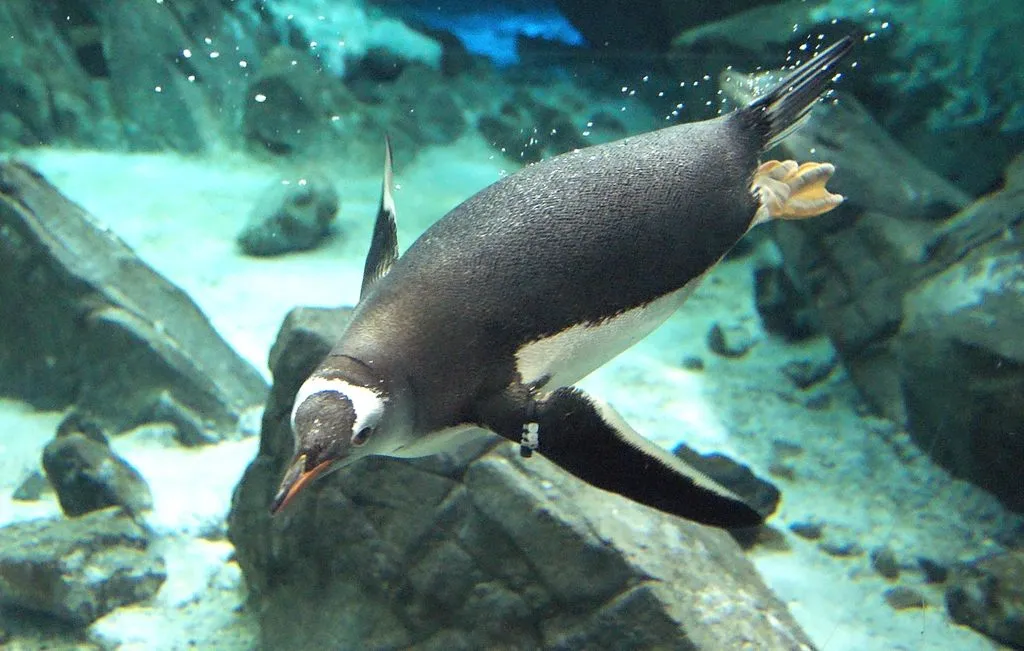
On the Kerguelen Islands, a scatter of land nearly 2,000 miles from anywhere permanently inhabited, researchers led by teams in Chile and at UC Berkeley found that gentoo penguins are not one species but four.

a gentoo penguin
Pictured a gentoo penguin · Unknown (via rawpixel)

Three were long treated as subspecies; the fourth, now named Pygoscelis kerguelensis, had never been formally recognized at all 6. Genetically it's distinct enough to count as its own species, even though to the eye it looks like any other gentoo: black back, white front, the same waddle. Scientists call this a cryptic species, one that hides in plain sight because nothing about its appearance gives it away.

03/07 Natural Sci.

Stanford finds two brains hiding inside one skull

For decades the textbook model held that the whole brain grows from one shared population of early cells. Stanford developmental biologist Kyle Loh's team found otherwise: the forebrain, the part responsible for language, math, and reflecting on your own existence, develops from an entirely different progenitor cell than the hindbrain, the older structure that handles breathing, heartbeat, and swallowing 11.

Stanford finds two brains hiding inside one skull
Unknown (via rawpixel)

The discovery solved a smaller, practical mystery along the way. Scientists have struggled for years to grow hindbrain neurons in a lab dish; it turns out they'd been trying to coax the wrong starting cells into becoming them. Loh's team can now grow those neurons directly 11.

04/07 Psychology

A monthly cash gift left a measurable mark on children's cells

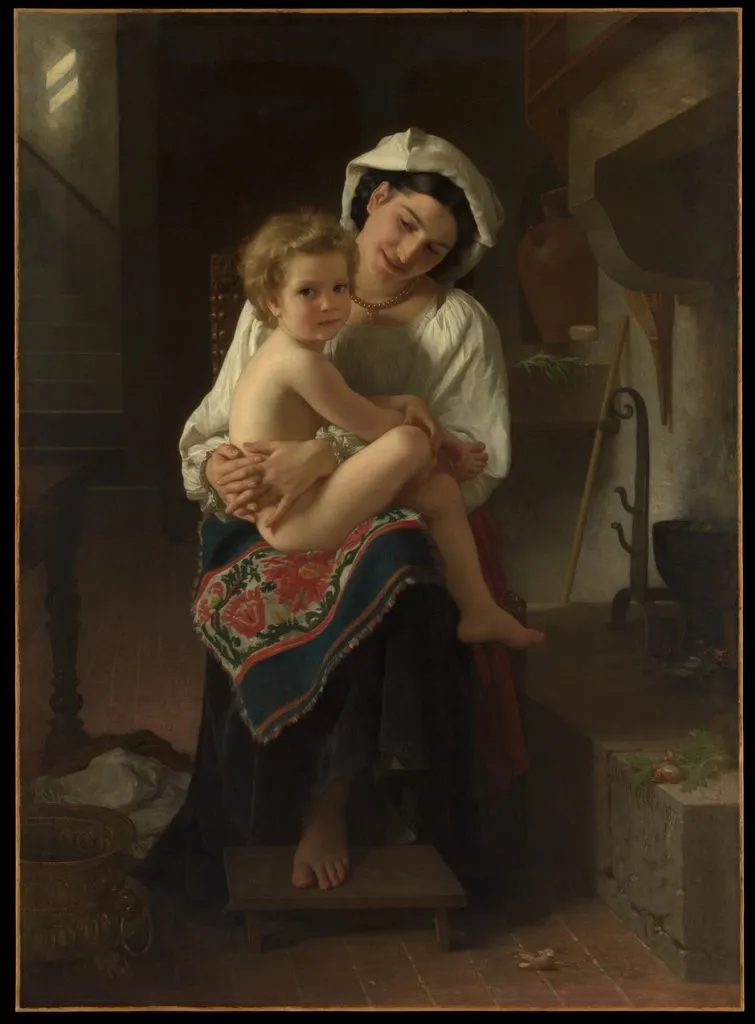
Researchers working with the Baby's First Years project gave low-income mothers an unconditional monthly cash gift during their children's first four years, then measured the kids' DNA methylation, the chemical tags on DNA that track how fast a body is aging biologically rather than by the calendar 90.

a mother and her young child
Pictured a mother and her young child · themet (via rawpixel)

Using an algorithm called DunedinPACE, the team found the children of mothers who got the larger monthly amount were aging more slowly than children in the comparison group. The effect showed up in the kids. It did not show up in the mothers themselves 90.

05/07 Good News

A Colorado wildlife bridge cut animal deaths by 91 percent

Before North America's largest wildlife overpass opened near the Greenland exit on Interstate 25, about one deer a day was getting hit during migration season on that stretch of road.

Today Got Better

Since the 209-by-200-foot bridge opened in December, animal-vehicle collisions in the area have dropped 91 percent 204. Elk herds cross it. Pronghorn have returned to the highway's west side for the first time in decades. Biologists lined part of the bridge with logs so smaller animals, including the federally threatened Preble's meadow jumping mouse, have cover from predators as they cross 204.

06/07 Psychology

What chimpanzees know about male friendship that the internet doesn't

Nearly three decades of data from Gombe show that male chimpanzee communities aren't held together by whoever sits at the top of the dominance hierarchy. They're held together by the alliances underneath him 85.

Today Got Better

Male chimps groom each other for hours. They embrace after fights and kiss the shoulders of their allies before a risky patrol into rival territory. Before the tensest moments, they've even been observed holding each other's genitals, a gesture researchers read as a display of trust 85. Higher-ranking males do sire more offspring, but most of the competitive pressure among them never turns into an actual fight; care and cooperation absorb it first.

07/07 Life Sciences

A battery you swallow, built to power a medical device and then disappear

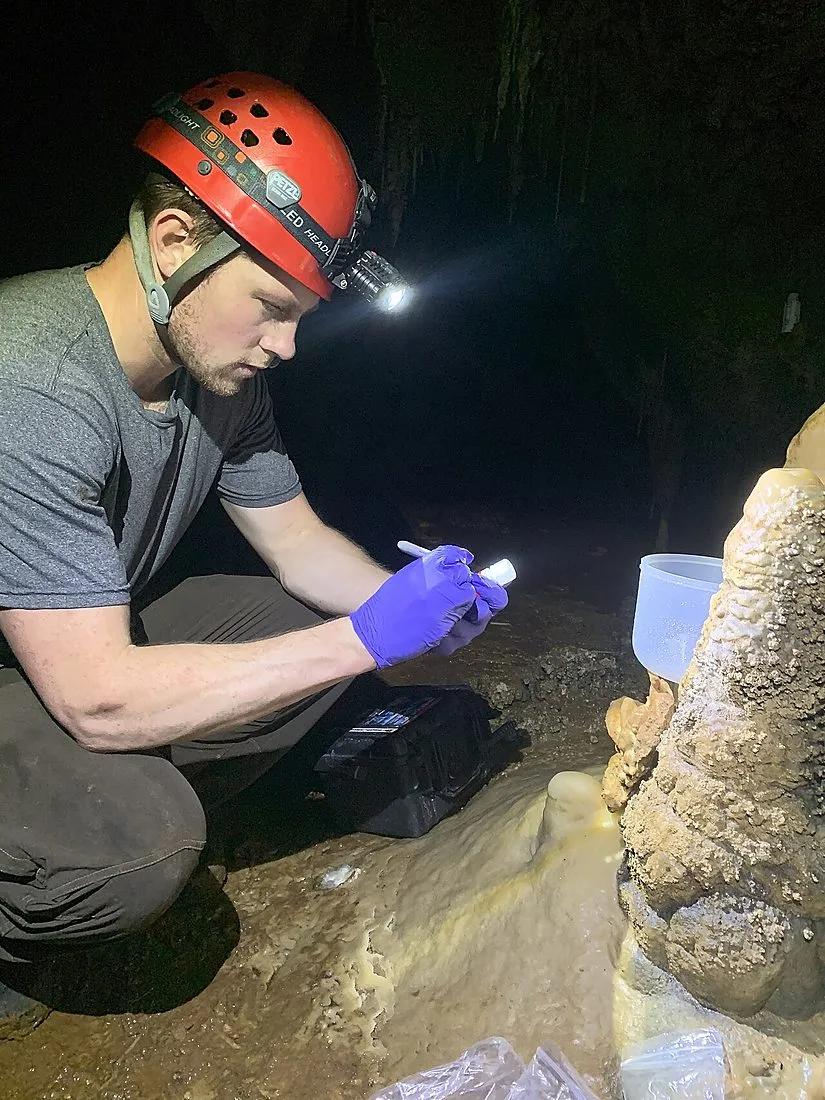
A team including MIT's Giovanni Traverso built a battery thin and flexible enough to swallow, made from a magnesium alloy anode and a molybdenum-trioxide-and-carbon cathode layered with cellulose nanofibrils, the material that gives it a paper-like structure 16.

a scientist holding a small paper battery
Pictured a scientist holding a small paper battery · Bcerrato1 (Wikimedia Commons)

Coated in beeswax to slow its breakdown in stomach acid, the battery powered devices inside pigs for up to three days before dissolving into the digestive tract, harmlessly, without leaving toxic fragments behind 16. So far it has only been tested in pigs.

Quick notes

Shorter discoveries from this morning, worth knowing but not a full story.

A new process turns plastic waste into gasoline and diesel fuel Oak Ridge chemists found that molten aluminum-chloride salts can crack ordinary shopping-bag plastic into gasoline-like fuel at under 200 degrees Celsius, getting a 60 percent gasoline yield with commercially available ingredients 7. ScienceDaily
Dramatic gannet dive wins Bird Photographer of the Year competition Out of 24,000 entries, a photographer diving off Shetland caught a northern gannet plunging straight through a shaft of underwater sunlight, timed to a single frozen second after a dedicated dive spent watching the sun instead of the birds 30. New Scientist
Ancient oxygen signatures in meteorites trace origins of early Solar System organics Harvard researchers found that organic matter inside 4.5-billion-year-old meteorites still carries its original oxygen signature from before the planets formed, meaning some of the raw material for life on Earth arrived essentially unchanged from deep space 153. Interesting Engineering
New AI Model Can Detect Heart Disease Markers in Simple Electrocardiogram Readings Trained on millions of patients, an AI tool read ordinary ECGs from 67,000 people and correctly flagged 81 percent of heart failure cases and 90 percent of heart valve disease cases, catching conditions that normally hide until a cardiac arrest reveals them 196. Good News Network
Neuroscientists uncover a previously unknown brain benefit of very slow running A ten-minute jog slow enough to double as a walk still lit up the prefrontal cortex and lifted mood in a University of Tsukuba study, meaning the brain benefits of running don't require breaking a sweat 94. PsyPost
Back to School, Back to Play A New Hampshire study found kindergartners in play-based classrooms grew more engaged and communicative, and disadvantaged preschoolers learned just as many new words through play as through book reading, with the gains still holding four and a half months later 111. Psychology Today
The race to get more young people in the UK into work, education or training The number of young Britons neither working nor in school dropped by 30,000 in a single quarter, and a King's Trust-backed programme found 74 percent of its participants moved into a job, training, or education after finishing 202. Positive News
This Digital Radio Gets Messages to the World's Remotest Locations A Philadelphia nonprofit's open-source radio system, HERMES, sends photos, emails, and GPS coordinates over shortwave frequencies to villages with no other way to reach the outside world, useful for anything from telemedicine to proving illegal logging happened 151. IEEE Spectrum
Spain's Elian Raises $46M From Govt Fund to Safeguard EU's Plant Protein Sovereignty Spain's sovereign wealth fund is putting €40 million into Europe's largest soybean-protein processor, aiming to make the continent less dependent on imported plant protein and grow one of only three integrated facilities of its kind on the continent 176. Green Queen
Tofoo & Co launches sizzling new sausages and silken tofu for its 10th birthday A decade in, the UK tofu maker is rolling out organic seitan frankfurters and bratwurst with 27 grams of protein per 100g into Tesco, Sainsbury's, and Waitrose, betting that shoppers want whole, minimally processed plant protein over the ultra-processed kind 194. Vegan Food & Living
Why Great Plains Ranchers Are Setting Fire to Their Own Land An Oklahoma ranching family burns 22,000 acres of their own prairie every winter on purpose, clearing the invasive cedar that fuels catastrophic wildfires so that when a real fire comes through in spring, there's nothing left for it to feed on 203. Reasons to be Cheerful
Historic Philanthropic Gift Will Expand Veterinary Care Access to Millions of Americans and Their Pets Software billionaire Dave Duffield and his wife Cheryl committed $250 million over five years to nonprofit veterinary clinics, aimed at the roughly 50 million American dogs and cats whose families can't currently afford routine or emergency care 199. Good News Network
After Surviving Poaching and War, Why Are Manas' Rhinos Facing the Slow Loss of Their Home? Greater one-horned rhinos vanished entirely from Assam's Manas National Park by the mid-2000s; a decade-long reintroduction program has since produced 35 calves, and the rhinos born there are now having calves of their own 211. The Better India
Sound guardians As a new Indonesian capital rises near his home in Borneo, a Balik elder named Abidin is working with a Cornell bioacoustic scientist to record the rainforest's calls and choruses before construction noise drowns out the sounds he's used to navigate the world by 237. Aeon
A heartbroken woman asked plane passengers to write a story in her notebook. It changed her life. Freshly heartbroken and surrounded by strangers glued to their phones, a woman on American Airlines Flight 4449 passed a notebook around asking people to write a story together; ninety minutes later, she read the finished tale over the plane's PA to a cabin of people who told her it restored their faith in humanity 231. Upworthy

Our process. Your trust.

Every discovery above traces back to an article we read in full. This is the whole corpus behind this morning, and what it was made of.

  • 45 Sources scanned
  • 249 Articles read
  • 8 Fields covered
  • 7 Discoveries

The sources that carried this morning

  1. 1 PLOS One 20 articles
  2. 2 Psychology Today: The Latest 20 articles
  3. 3 Latest Science News -- ScienceDaily 13 articles
  4. 4 The Better India : Latest Posts 12 articles
  5. 5 STAT 11 articles
  6. 6 The Conversation Articles 11 articles
  7. 7 Ars Technica - All content 10 articles
  8. 8 Interesting Engineering 10 articles
How an edition is made

Everything we read today

Natural Sciences 67 articles
PLOS One
Life Sciences & Medicine 17 articles
Psychology & Behavioral Science 32 articles
Psyche | Know Your Self
Social Sciences 16 articles
Technology & Innovation 43 articles
Plant-Based & Vegan 19 articles
Solutions & Good News 42 articles
Human Stories & Ideas 13 articles
The long view · not today’s news, the story behind it

Today’s discoveries didn’t come from nowhere. Here’s the older, ongoing story they belong to, a moment from this day in history, and a question to test what stuck.

Where the story stands

On this day in science

1791 Michael Faraday is born Michael Faraday, the bookbinder's apprentice who became one of the great experimenters, was born in south London. His discovery that a moving magnet creates an electric current became the basis of every generator and electric motor. He turned electricity from a curiosity into the power behind modern life. More from the Almanac →

Before you go: today’s quiz

The daily quiz

Since 1990, the share of people living in extreme poverty worldwide has roughly...

Reveal the answer

More than halved

The share of the world in extreme poverty has more than halved since 1990, one of the largest improvements in human living standards ever recorded.

See the number →

Previous editions

Every morning we have published, newest first. Nothing expires.

View the full archive

Get this every morning.

Liked today’s? Tomorrow’s reaches your inbox before breakfast.

  • One email each morning, never more
  • The day’s real discoveries across 8 fields
  • One calm read with your coffee

The full letter, every morning, free for good.

Same free letter, plus the reason it stays that way: no ads, no investors, no agenda but the good news itself.

A single gift of any amount. No account, never a recurring charge.