






Brazil's vanished frogs get a culprit, and many have bounced back
Between 1979 and 1982, amphibians at the Boracéia Biological Station in Brazil's Atlantic Forest declined sharply, and for nearly five decades nobody could say why. Some researchers blamed climate change or freak weather.
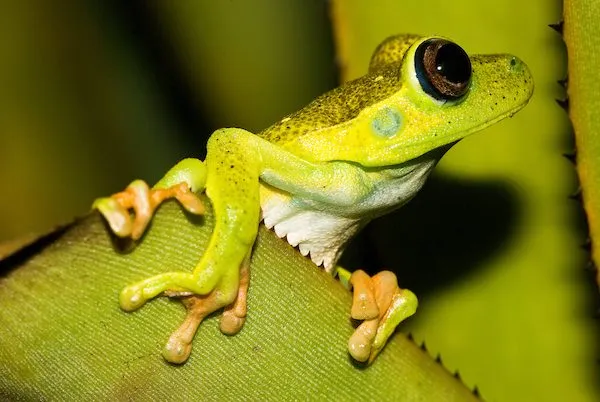
A team from the Smithsonian's National Zoo and Conservation Biology Institute and Penn State went back to frogs preserved in museum collections decades earlier. They report in Molecular Ecology that the chytrid fungus, Batrachochytrium dendrobatidis, was moving through the region at the same time as the disappearances 6. "After almost 50 years, we still aren't confident what caused many historical amphibian die-offs, making these declines some of the most enduring cold cases in wildlife epidemiology," said lead researcher Jack Boyette 6.