




The daily brief · November 6, 2026

A third of peanut-allergy babies aren't, and squeezed bones help old mice

Labels came loose today: an allergy diagnosis, a rule about how memories are stored, a refinery step, a language's origin story.

  • 7 Discoveries
  • 258 Articles read
  • 51 Sources
  • 9 Min read

Today’s discoveries

Everything this morning found, in the order we would read it.

7 stories
  1. 01 Natural Sci. A third of babies flagged with peanut allergy can eat peanuts Australian researchers went back through the records of 1,275 infants referred to public hospitals after reacting to peanuts before their first birthday. Source: Live Science 1 min read
  2. 02 Technology Squeezing old mice's shinbones made them live longer Researchers at Southern Medical University in Guangzhou studied osteocytes, bone cells that sense mechanical force through a pressure-sensitive channel called PIEZO1. Source: New Atlas 1 min read
  3. 03 Natural Sci. Phage therapy gets its first international rulebook A panel led by the German Society for Infectious Diseases produced the first internationally coordinated clinical guidelines for personalized phage therapy, published in Nature Medicine. Source: ScienceDaily 1 min read
  4. 04 Natural Sci. A membrane that sorts crude oil without boiling it A KAIST team led by Professor Dong-Yeun Koh, working with Ryan Lively's group at Georgia Tech, demonstrated a membrane that separates crude oil at room temperature. Source: Latest Science News -- ScienceDaily 1 min read
  5. 05 Human Stories Germanic languages may have arrived with a migration nobody had spotted Geneticists at the University of Copenhagen analyzed more than 4,500 ancient genomes, 712 of them sequenced for the first time, and matched identical stretches of sequence between… Source: Nautilus 1 min read
  6. 06 Life Sciences Octopuses store memory with a gas loop, not new proteins Neurobiologists at the Hebrew University of Jerusalem and Ruppin Academic Center studied the octopus vertical lobe, the brain structure that works like the vertebrate hippocampus, and… Source: Neuroscience News 1 min read
  7. 07 Social Sci. Your mammogram can carry a heart-health message A cardiologist who studies heart health around menopause describes breast arterial calcification, or BAC: calcium in the walls of medium-sized arteries feeding the breast, which shows up… Source: The Conversation 1 min read

The feel-good story of the day

a teenager paddling a kayak NASA (via rawpixel)
Pictured a teenager paddling a kayak

Two brothers, a kayak and a paddleboard

When floodwater filled Brittany Grant's home in Palm Bay, Florida, she and her young son climbed onto the kitchen counter with their three dogs. 911 could not reach them, and they waited more than three hours. Grant posted a plea on Facebook. A mother read it and sent her two teenage sons.

Jonah Marshall, 15, borrowed a neighbor's kayak. His brother Lucas, 17, grabbed a paddleboard. Jonah said there was not much to think about: the family was in danger, so he went. Lucas took the boy first, and tried to keep him from dwelling on the water by asking his name, how school was going, and then, "This is a weird day, isn't it?"

All five, boy, mother and dogs, came back to dry land. Grant now says that without strangers who had never met her, she does not know how they would have gotten out.

Today’s complete edition

The discoveries, in full

Read the evidence, what it changes, and the reporting behind each of today’s 7 discoveries.

01/07 Natural Sci.

A third of babies flagged with peanut allergy can eat peanuts

Australian researchers went back through the records of 1,275 infants referred to public hospitals after reacting to peanuts before their first birthday 13. Each had been diagnosed from a reaction history plus a positive skin-prick or blood test.
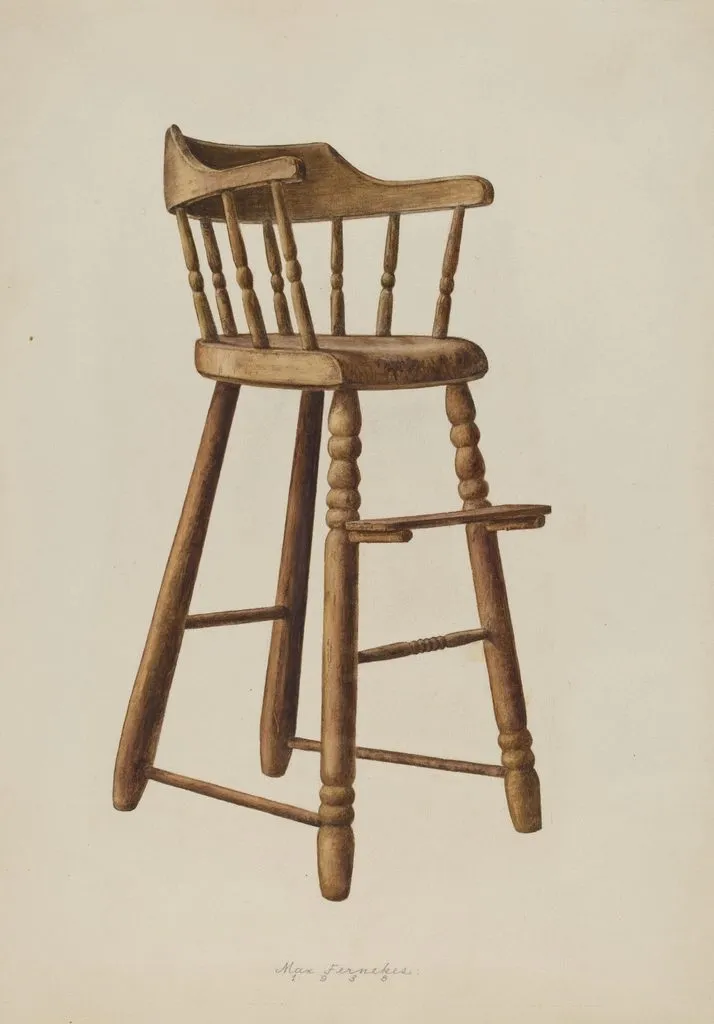
a baby in a high chair
Pictured a baby in a high chair · nationalgalleryofart (via rawpixel)

Of those babies, 778 later did a supervised food challenge, at a median age of 13 months. They got up to seven doses, from 15 to 1,300 milligrams of peanut protein, 15 minutes apart, with medical staff watching 13. Nearly 35% of them, 271 children, finished without a reaction 13. "This rate is much higher than we thought," said co-author Dr. Timothy Brettig, a pediatric allergist 13. An outside expert, Dr. Alexandra Santos, noted that under-ones are a tricky group: their immune systems are still developing fast, and existing tests may not reflect their allergic status well 13.

02/07 Technology

Squeezing old mice's shinbones made them live longer

Researchers at Southern Medical University in Guangzhou studied osteocytes, bone cells that sense mechanical force through a pressure-sensitive channel called PIEZO1 182.

Squeezing old mice's shinbones made them live longer
Lenharth Systems (via stocksnap)

PIEZO1 levels fell with age in both mouse and human bone. When the team chemically destroyed the channel in adult mouse osteocytes, aging sped up well beyond the skeleton, hitting the brain, liver and muscles. Median lifespan dropped about 11% in females and 13% in males 182. Next, they rhythmically applied a tiny load to the shinbones of anaesthetized mice, starting at 20 months, which is old for a mouse. Median lifespan rose 9.4%, around 80 days. The mice also did better on strength, coordination and memory tests 182. Plasma from treated mice gave other old mice some of the benefit. One suspect is a protein called PEDF, which bone loading raised in the blood and which, when injected, improved cognitive and physical performance in old mice 182.

03/07 Natural Sci.

Phage therapy gets its first international rulebook

A panel led by the German Society for Infectious Diseases produced the first internationally coordinated clinical guidelines for personalized phage therapy, published in Nature Medicine 7.

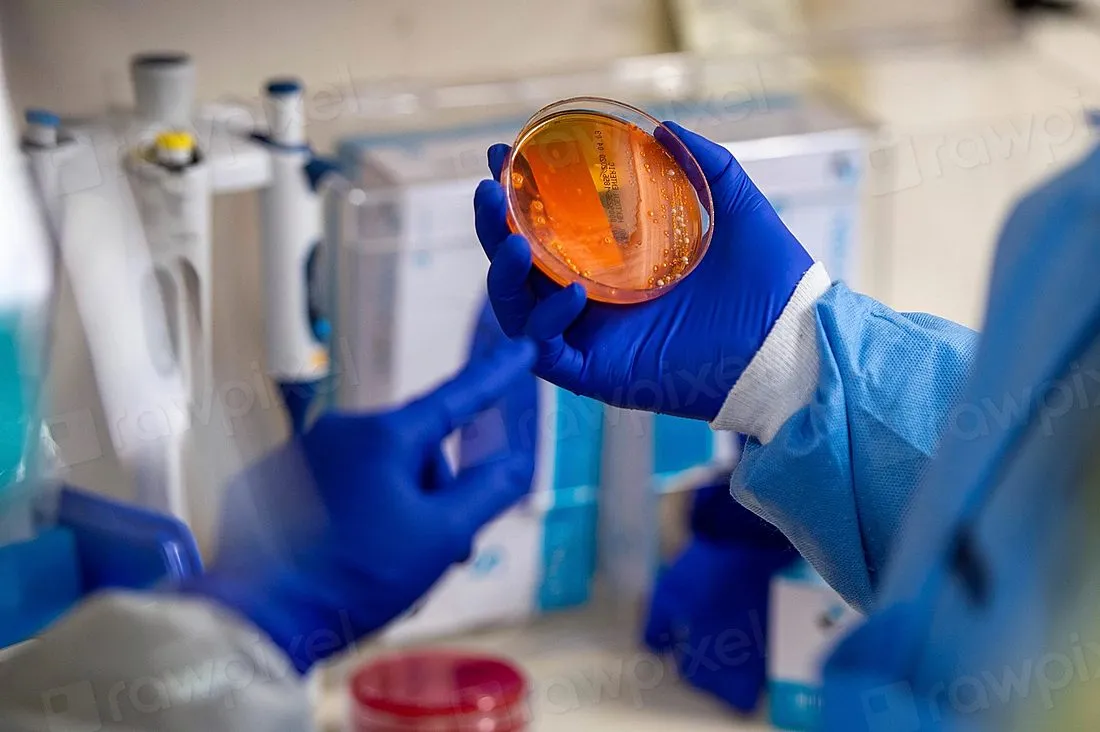
a research lab
Pictured a research lab · U.S. Navy Medicine (via rawpixel)

The process drew on 20 professional organizations, 18 international experts including regulators, and two patient advocacy groups. It yielded more than 60 recommendations on selecting, testing, manufacturing, giving and monitoring phages, plus lab infrastructure, quality control and record-keeping 7. Phages are viruses that kill bacteria, and they usually target one species or even one strain. A phage that clears one patient's infection may do nothing to the next patient's, so specialists have to test the match before treatment starts 7. Early findings in the write-up are encouraging: one study reported improvement in 77% of patients and disappearance of the targeted bacteria in 61% 7.

04/07 Natural Sci.

A membrane that sorts crude oil without boiling it

A KAIST team led by Professor Dong-Yeun Koh, working with Ryan Lively's group at Georgia Tech, demonstrated a membrane that separates crude oil at room temperature 3.

an oil refinery at dusk
Pictured an oil refinery at dusk · Peter Facey (Wikimedia Commons)

The twist is in the name of the story: the oil itself helps create the microscopic channels that do the filtering 3. The usual method, distillation, heats oil above 350 °C. Worldwide, that takes about 1,100 terawatt-hours a year, roughly what 130 one-gigawatt nuclear plants produce 3. The team estimates its approach could cut refining energy use by nearly 32%, carbon emissions by almost 38% and operating costs by 36%. The work was published in Nature 3.

05/07 Human Stories

Germanic languages may have arrived with a migration nobody had spotted

Geneticists at the University of Copenhagen analyzed more than 4,500 ancient genomes, 712 of them sequenced for the first time, and matched identical stretches of sequence between individuals 250.

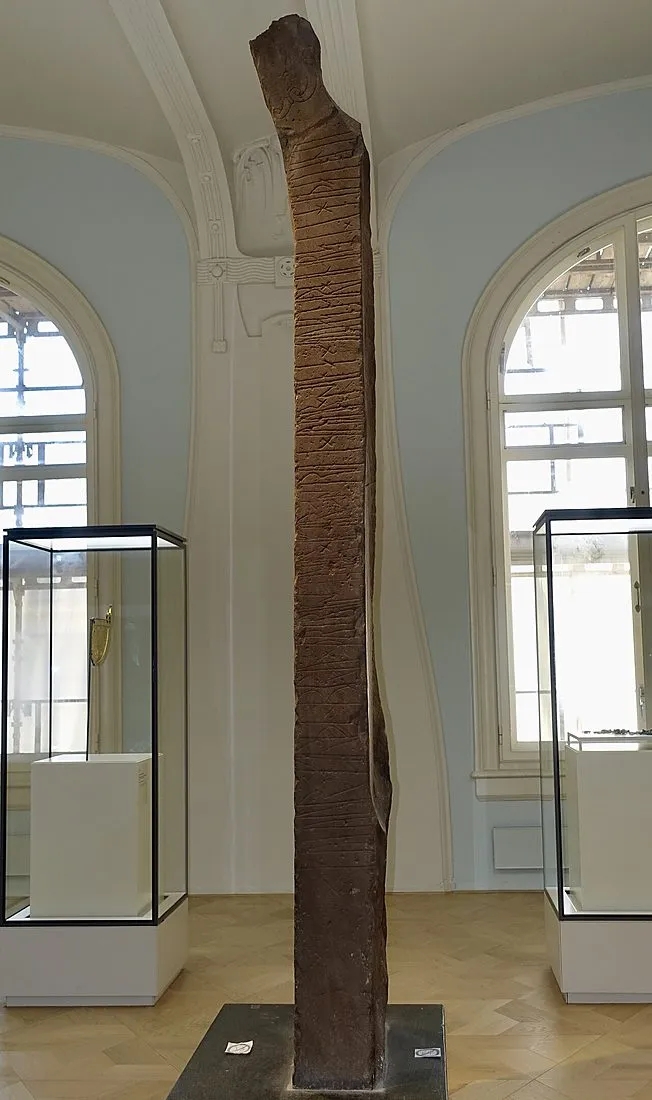
a Viking-age runestone in Scandinavia
Pictured a Viking-age runestone in Scandinavia · Wolfmann (Wikimedia Commons)

They found a previously unknown migration into Scandinavia around 4,000 years ago from a group they call "Eastern Scandinavian," which seems to have originated in the Baltic states. It took around 500 years for their genes to spread through the population 250. The timing fits the spread of Germanic languages, along with burial rites, architecture, runic carvings and pottery. That is a thousand years later than the older theory of steppe migrants arriving about 5,000 years ago 250. A second surprise: northern Germans moved into Denmark and southern Sweden about 1,500 years ago, which lines up with the rise of Old Norse 250.

06/07 Life Sciences

Octopuses store memory with a gas loop, not new proteins

Neurobiologists at the Hebrew University of Jerusalem and Ruppin Academic Center studied the octopus vertical lobe, the brain structure that works like the vertebrate hippocampus, and published in the Journal of Neuroscience 58.

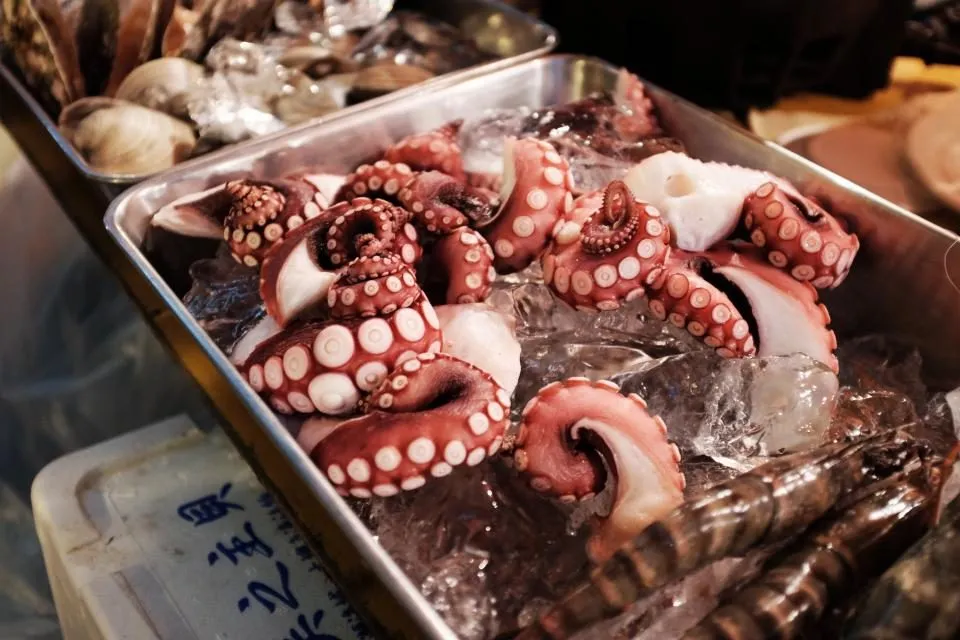
an octopus
Pictured an octopus · Alex Knight (via stocksnap)

In vertebrates, turning a fleeting strengthening of a synapse into a lasting one requires new proteins. In the octopus, the team found a self-sustaining loop: nitric oxide boosts neurotransmitter release and also keeps reactivating the enzyme that makes it, nitric oxide synthase. That holds the synapse in its strengthened state without making new proteins 58. Octopus and vertebrate lineages split more than 500 million years ago, and about two-thirds of an octopus's neurons sit in its arms rather than its central brain 58.

07/07 Social Sci.

Your mammogram can carry a heart-health message

A cardiologist who studies heart health around menopause describes breast arterial calcification, or BAC: calcium in the walls of medium-sized arteries feeding the breast, which shows up on a mammogram as parallel white lines 136.

a woman talking with her doctor
Pictured a woman talking with her doctor · Gabriel Santiago (via stocksnap)

It is not a sign of breast cancer. In a 2022 ten-year study of more than 1,000 women, those with BAC had about three times the odds of coronary heart disease and five times the odds of stroke, even after accounting for age 136. AI now makes the deposits easier to measure. In October 2026, Maryland became the first U.S. state to require mammography centers to tell patients in writing when they are found 136.

Quick notes

Shorter discoveries from this morning, worth knowing but not a full story.

Seabird Sees Miracle Recovery After Avian Flu Wiped Them Out Sandwich terns abandoned England's Pagham Harbour colony after bird flu in 2022, and the colony is back to 756 birds, thanks to predator-proof fencing, rat monitoring and patrols 208. Good News Network
What went right this week: the good news that matters Barbados eliminated mother-to-child HIV transmission (98% of expectant mothers tested, 98% of those with HIV treated), and a UN report counts 252 million hectares of habitat under active restoration 210. Positive News
An unexpected winner of the midterm election: Animals Washington, DC voters backed a foie gras sale ban with 73% and Denver voters with 66% 120. Future Perfect | Vox
Switching to This Healthier Version of Salt Could Save Around 3 Million Lives a Year A modeling study put the toll of sodium-heavy salt at 2.96 million lives a year worldwide, if potassium-enriched salt replaced regular salt, though it needs the food industry on board 251. Nautilus
Opportunistically Detecting Signs of Hypertension on a Consumer Smartwatch In 196 people, an AI reading a smartwatch's signals caught hypertension with 65.8% sensitivity versus 55.3% for an office blood-pressure reading, at the same 90% specificity 16. Nature
400-yo Shipwreck Puzzle Finally Cracked After More Than 20 Years of Mystery A metal detectorist spent about 20 years failing to open a 1583 shipwreck padlock with 1,296 possible combinations, and a micro-CT scan finally read the answer: ANCE 207. Good News Network
Physicists sank a telescope 1.5 miles under the sea to put Einstein's relativity to the test A half-built neutrino detector off Toulon found no crack in Lorentz invariance, and its limits already compete with much larger experiments 14. Live Science
The butterfly effect: a brighter way to make paint? Northeastern researchers are studying crystals from cabbage white butterfly wings as a nontoxic, fade-resistant color, though they have only grown milligram-size crystals so far 211. Positive News
The Montana Ranch Where Autistic People Are Wranglers and Guides On 230 acres near Livingston, Montana, autistic staff lead horseback rides, fishing and hikes, in cabins designed for sensory comfort 213. Reasons to be Cheerful
Chimps Can Be Thieves, But They Hesitate to Rob Their Friends In an experiment with 26 chimpanzees at a Ugandan sanctuary, the animals were less eager to steal pineapple from a close grooming partner than from a not-so-close one 255. Nautilus
A tiny Ohio town just found a way to make data centers pay Perry, Ohio, population about 1,400, passed Issue 16, which can require data centers that take tax breaks to post a bond backing their promises 121. Future Perfect | Vox
'Advanced Surgical Technologies Should Not Be Limited to Metro Cities': How These Founders Built a Homegrown Surgical GPS A Bengaluru company's image-guided system is now in more than 200 hospitals and has supported over 20,000 surgeries, without imported-system consumables and upgrade costs 221. The Better India

Our process. Your trust.

Every discovery above traces back to an article we read in full. This is the whole corpus behind this morning, and what it was made of.

  • 51 Sources scanned
  • 258 Articles read
  • 8 Fields covered
  • 7 Discoveries

The sources that carried this morning

  1. 1 PLOS One 20 articles
  2. 2 STAT 20 articles
  3. 3 Psychology Today: The Latest 20 articles
  4. 4 Ars Technica - All content 16 articles
  5. 5 Interesting Engineering 10 articles
  6. 6 Upworthy 10 articles
  7. 7 PsyPost Psychology News 9 articles
  8. 8 The Conversation Articles 9 articles
How an edition is made

Everything we read today

Natural Sciences 54 articles
PLOS One
Life Sciences & Medicine 32 articles
STAT
Psychology & Behavioral Science 33 articles
Social Sciences 21 articles
Technology & Innovation 47 articles
Plant-Based & Vegan 17 articles
Solutions & Good News 32 articles
Human Stories & Ideas 22 articles
The long view · not today’s news, the story behind it

Today’s discoveries didn’t come from nowhere. Here’s the older, ongoing story they belong to, a moment from this day in history, and a question to test what stuck.

Where the story stands

On this day in science

1861 The inventor of basketball is born James Naismith was born in Canada. Asked to invent an indoor game to keep restless students busy through a cold New England winter, he nailed a peach basket to a gym balcony and wrote thirteen simple rules. Basketball grew from that afternoon into a game played by hundreds of millions around the world. More from the Almanac →

Before you go: today’s quiz

The daily quiz

Which research institute booted up the first cell running entirely on a chemically synthesized genome, back in 2010?

Reveal the answer

The J. Craig Venter Institute

In 2010 the J. Craig Venter Institute synthesized a whole bacterial genome from chemicals, placed it in an emptied cell, and watched it boot up and self-replicate, the first cell run by a human-made genome.

Follow the tracker →

Previous editions

Every morning we have published, newest first. Nothing expires.

View the full archive

Get this every morning.

Liked today’s? Tomorrow’s reaches your inbox before breakfast.

  • One email each morning, never more
  • The day’s real discoveries across 8 fields
  • One calm read with your coffee

Free from tomorrow morning, for good.

Same letter. Your $5 a month keeps it free for everyone else.

Any amount, charged once.