





A 115-million-year-old leg bone may still hold traces of blood
A team led by Kliti Grice at Curtin University reported in PNAS on November 2 that the hind-limb bones of Aratasaurus museunacionali, a roughly 3-meter theropod from Brazil, hold microscopic structures shaped like red blood cells, and that they sit alongside chemical signatures of heme, the iron-bearing part of hemoglobin 15.
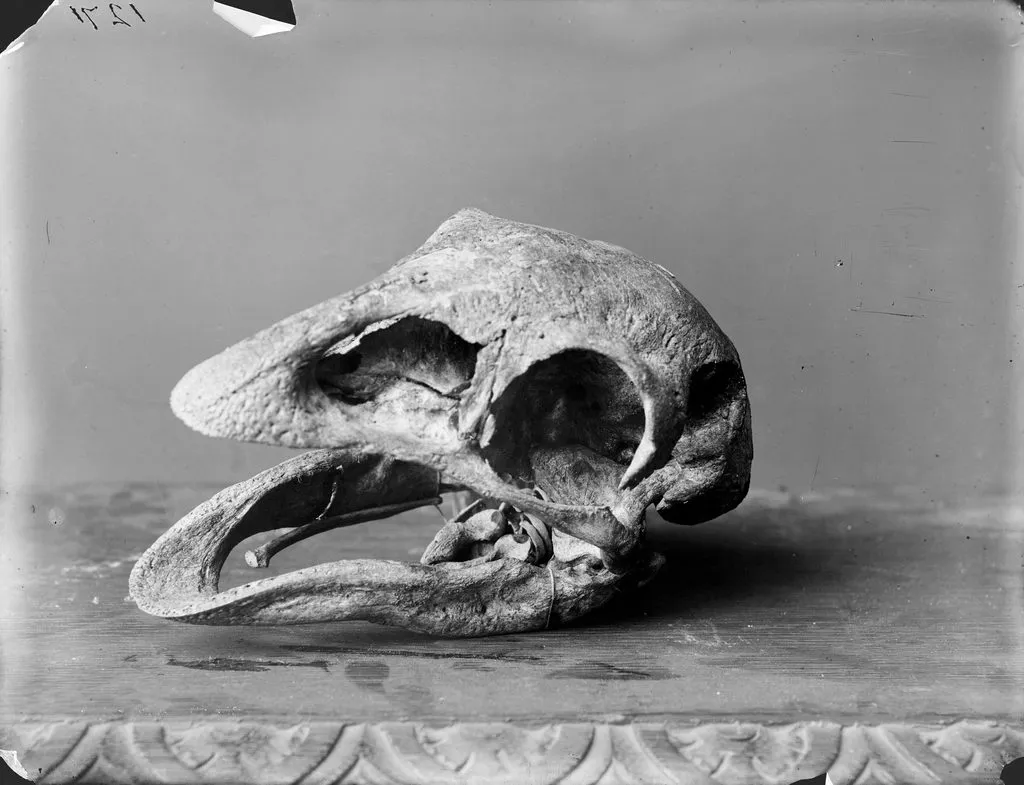
The bone came out of a mine in 2008 66. Inside the vascular canals, where blood vessels once ran, the team found numerous cell-sized ellipsoids 66. Bone extracts were dominated by heme B and an altered relative that was about 90 times more abundant, which fits most of the heme having changed chemically as the bone fossilized 178. Spectroscopy found porphyrin inside the cell-like forms, and elemental maps showed iron, nitrogen and carbon tied to them 178. The team also went looking for fungi and microbes that could fake cells, and found no filaments, spores or biofilms, and no pyrite grains that could pass as cells 66. Grice was firm that this is not "a vial of dinosaur blood" but "a mineral and molecular echo of ancient biology" 152.
What each field noticed (2)

Traces of ancient blood found in 115 million-year-old dinosaur fossil, new study claims
This one led with the argument. Some experts say the shapes do not match the red blood cells of reptiles 15. Grice's defense is that the chemistry was read in place, inside the bone, so the signals can be tied to the structures that produced them 15.
Read the storyTechnology
Futurism quoted the sharpest objection. Mary Schweitzer, who has found blood vessels and soft tissue in dinosaur fossils herself, says red blood cells should show a "nuclear bulge" on each side, while these structures are concave 152.

