

The daily brief · November 11, 2026

Immune cells that remember, and dementia-proof genes in the wild

Bodies and brains keep turning out to have defenses we hadn't counted, from immune cells that learn to genes that shrug off dementia.

  • 7 Discoveries
  • 277 Articles read
  • 51 Sources
  • 9 Min read

Today’s discoveries

Everything this morning found, in the order we would read it.

7 stories
  1. 01 Natural Sci. The first-line immune cells that learn from experience The textbook says immunity comes in two parts. Source: Knowable Magazine 1 min read
  2. 02 Natural Sci. People whose brains resist dementia, and the gene that keeps plaques in check Geneticist Henne Holstege wanted to study people who resist neurodegeneration even when age or genes put them at high risk. Source: Nature 1 min read
  3. 03 Natural Sci. A digital twin of the Webb telescope finds a planet hiding in old data A Caltech team built a virtual replica of the James Webb Space Telescope's Near Infrared Camera. Source: Latest Science News -- ScienceDaily 1 min read
  4. 04 Natural Sci. The mystery 60-second heartbeat of the world's power grids For more than a decade, grids that aren't connected to each other have shown a small frequency pulse that repeats every 60 seconds. Source: ScienceAlert 1 min read
  5. 05 Psychology Well-being adds to lifespan beyond the absence of illness Max Genecov and David Yeager combined 99 longitudinal studies that tracked mental health symptoms, well-being scores, and lifespan. Source: Greater Good 1 min read
  6. 06 Natural Sci. Fossil fuel emissions are set to fall, and the total still hits a record The latest Global Carbon Budget projects fossil fuel CO2 emissions down 0.4% in 2026, to 38.2 billion metric tons. Source: Latest Science News -- ScienceDaily 1 min read
  7. 07 Good News An 80-cent plastic bag is cutting maternal deaths Maternity wards across Africa are using a plastic pouch called a maternal drape to measure blood loss after birth, so health workers can act quickly on postpartum hemorrhage, which is… Source: Reasons to be Cheerful 1 min read

The feel-good story of the day

a pizza delivery driver at a front door JOHN LLOYD from Concrete, Washington, United States (Wikimedia Commons)
Pictured a pizza delivery driver at a front door

A wrong pizza order, a prayer on the porch, and $76,000

Suzanna Metcalf delivers food for a living, and she is also the full-time caregiver for her 82-year-old mother. Last year she showed up at Pastor Neal Seiwert's door in Castle Rock, Colorado, with the wrong pizza order, apologizing and blaming "getting old." The strain on her face was easy to read.

Seiwert, his wife Hailee, and their three young daughters stepped outside, put their hands on her shoulders, and prayed for her. A doorbell camera recorded it, and the video reached millions of people. Hundreds of commenters asked the same question: how can we help?

The Seiwerts found Metcalf and, with her permission, started a GoFundMe with a $10,000 goal. Over the past year more than 2,600 donors have given over $76,000. It doesn't change the daily work of caregiving, but it gives her some financial room. "There are many people who simply just need love," Seiwert said.

Today’s complete edition

The discoveries, in full

Read the evidence, what it changes, and the reporting behind each of today’s 7 discoveries.

01/07 Natural Sci.

The first-line immune cells that learn from experience

The textbook says immunity comes in two parts. The innate part (monocytes, natural killer cells) reacts within minutes to hours and behaves the same way every time.
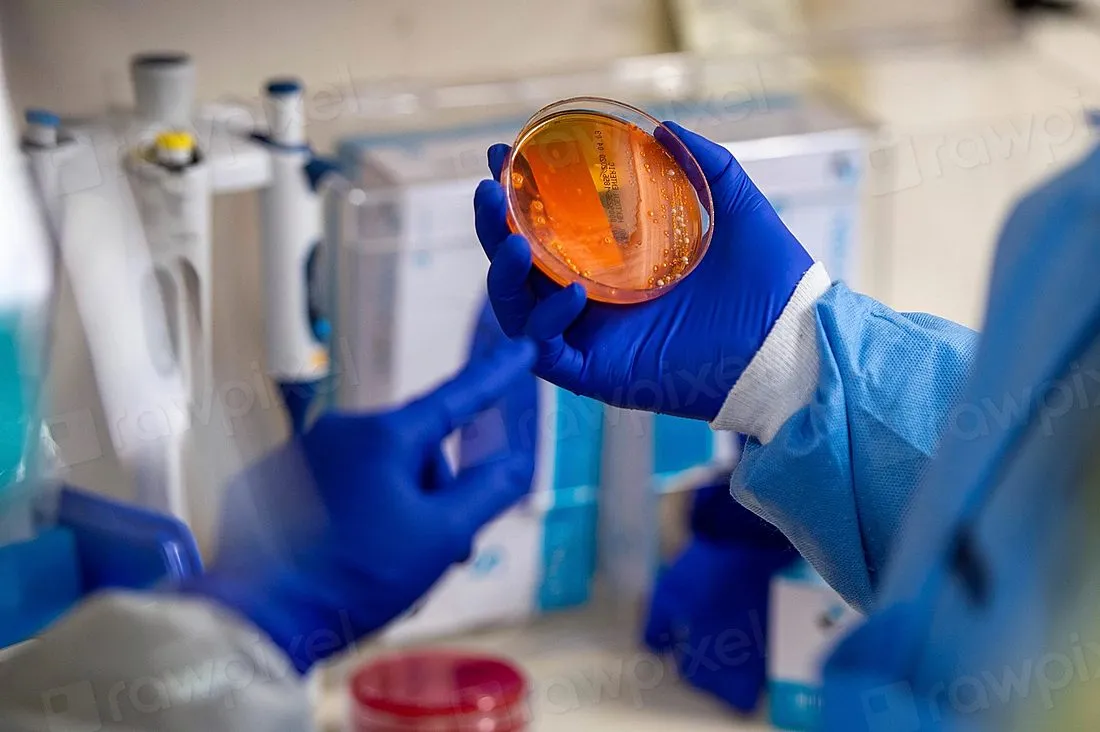
a research lab
Pictured a research lab · U.S. Navy Medicine (via rawpixel)

The adaptive part (B and T cells) needs seven to 10 days to build a specific response, and its memory is why vaccines work 1. About 15 years ago, Mihai Netea of Radboud University in the Netherlands and his team found that the innate system keeps a memory too. It answers the same or a similar infection faster and harder the second time, through a mechanism quite unlike the adaptive one 1. Netea calls this trained immunity.

02/07 Natural Sci. Life Sciences

People whose brains resist dementia, and the gene that keeps plaques in check

Geneticist Henne Holstege wanted to study people who resist neurodegeneration even when age or genes put them at high risk. "For five years, all my grants were rejected," she recalls, and she launched the project in 2013 anyway 25.

People whose brains resist dementia, and the gene that keeps plaques in check
Unknown (via rawpixel)

Since then, her field has found a rash of gene variants that seem to protect against dementia, among them rare variants of the ApoE protein. Some people's brains are full of plaques and they still stay dementia-free for most or all of long lives 25. On the mechanism side, a University of Virginia team led by John Lukens found that the Alzheimer's risk gene CASS4 works inside microglia, the brain's immune cells, and not inside neurons as assumed. It lets them surround amyloid-beta plaques and pack them into compact clusters. When CASS4 is impaired in preclinical models, plaques spread, synapses are destroyed, and cognition declines quickly 73.

What each field noticed (2)
03/07 Natural Sci.

A digital twin of the Webb telescope finds a planet hiding in old data

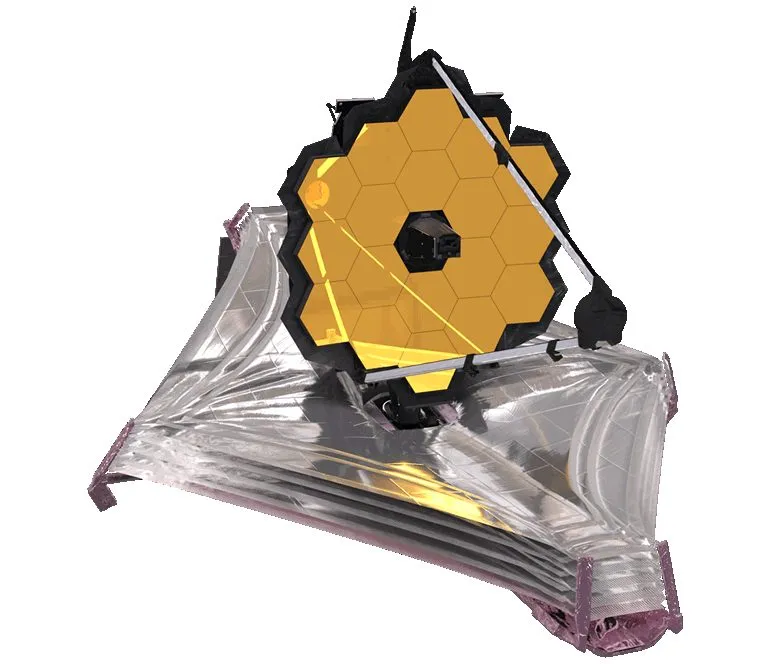
A Caltech team built a virtual replica of the James Webb Space Telescope's Near Infrared Camera. With it they can model how starlight spreads through the optics, then subtract much of that glare digitally 8.

James Webb Space Telescope
Pictured James Webb Space Telescope · Wikimedia Commons / James Webb Space Telescope

In tests on known planets, the method detected faint worlds with two to 15 times the sensitivity of conventional approaches. It also exposed a planet that was already sitting in existing observations 8. The paper appeared in Nature on November 4. Katie Bouman, a co-author, says it shows "how computation can help overcome limitations of the telescope itself" 8.

04/07 Natural Sci.

The mystery 60-second heartbeat of the world's power grids

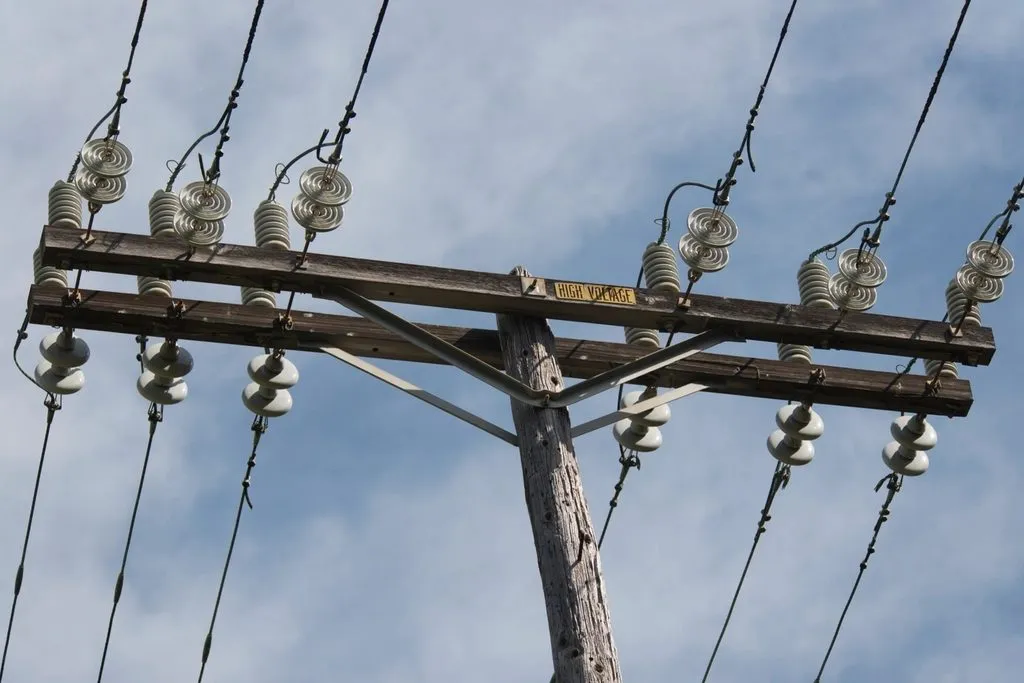
For more than a decade, grids that aren't connected to each other have shown a small frequency pulse that repeats every 60 seconds. Researchers in Scandinavia documented it in 2014, and similar patterns turned up in continental Europe, Britain, Australia, and the United States 66.

high-voltage power lines at dusk
Pictured high-voltage power lines at dusk · Unknown (via rawpixel)

A team led by Dirk Witthaut at the University of Cologne now proposes a cause in Nature Energy. Some uninterruptible power supplies, the backup systems in hospitals, data centers, and research facilities, run routine battery checks once a minute. Many of them do it on the same clock, which produces small, repeating surges in demand 66. Britain has a name for the best-known synchronized surge, "TV pickup," when kettles go on during commercial breaks 66.

05/07 Psychology

Well-being adds to lifespan beyond the absence of illness

Max Genecov and David Yeager combined 99 longitudinal studies that tracked mental health symptoms, well-being scores, and lifespan. Their model separated the effect of well-being from the effect of having fewer symptoms, to test whether happiness only mattered because misery didn't 103.

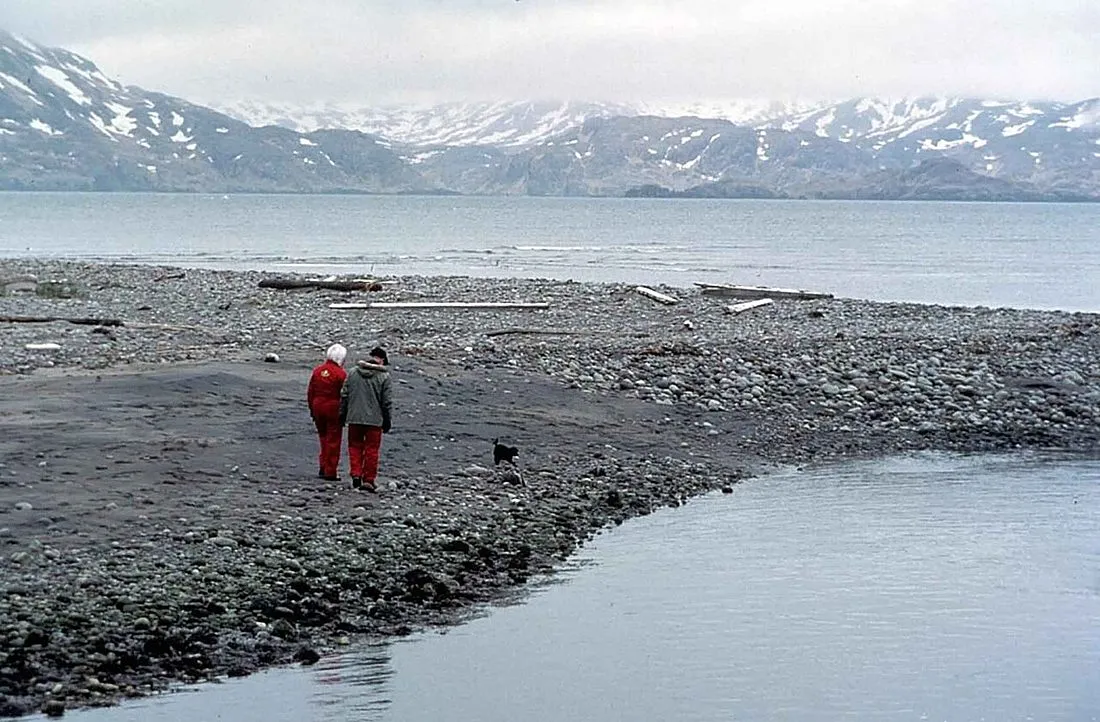
an older couple walking together outdoors
Pictured an older couple walking together outdoors · Rhode Elaine, U.S. Fish and Wildlife Service (Wikimedia Commons)

It didn't. People one standard deviation above average on well-being died at a 14% slower rate, over and above the benefit of lower ill-being 103.

06/07 Natural Sci.

Fossil fuel emissions are set to fall, and the total still hits a record

The latest Global Carbon Budget projects fossil fuel CO2 emissions down 0.4% in 2026, to 38.2 billion metric tons. Solar, wind, and electric vehicles are now meeting roughly two-thirds of the growth in energy demand 7.

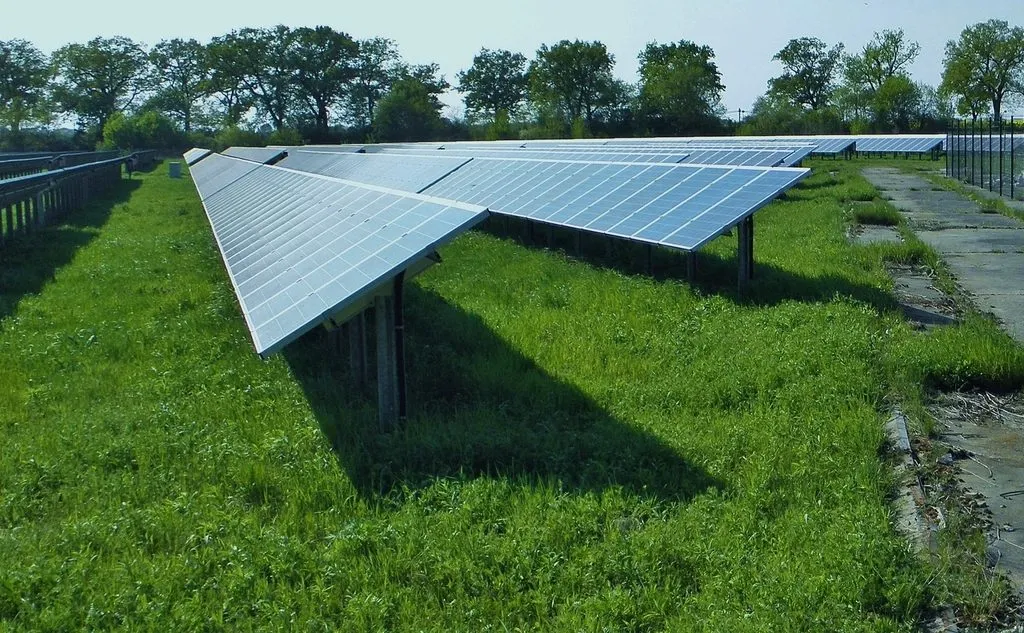
solar panels in a field
Pictured solar panels in a field · Unknown (via rawpixel)

Oil emissions are expected to drop 1.9%, though largely because of a temporary energy shock tied to the Iran conflict 7. Land sinks, which weakened during the 2023-24 El Niño, have recovered to earlier levels 7.

07/07 Good News

An 80-cent plastic bag is cutting maternal deaths

Maternity wards across Africa are using a plastic pouch called a maternal drape to measure blood loss after birth, so health workers can act quickly on postpartum hemorrhage, which is extremely dangerous 241.

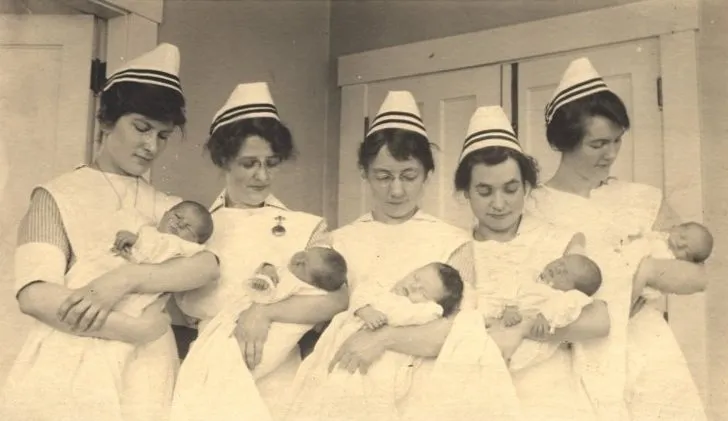
a nurse holding a newborn in a maternity ward
Pictured a nurse holding a newborn in a maternity ward · [United States? : s.n., 19--]. (Wikimedia Commons)

Combined with the necessary treatments, the drape cut deaths from postpartum hemorrhage by about two-thirds 241. "The drape is not an A.I. thing, it’s the absolute opposite," said Dr. Hadiza Galadanci of Bayero University in Kano, Nigeria. "It’s a simple, simple, intervention that can solve our problems" 241.

Quick notes

Shorter discoveries from this morning, worth knowing but not a full story.

Einstein's Equations Reveal Gravity Can Break And Reconnect Like Magnetic Fields Columbia's Luca Comisso and Felipe Asenjo calculated that gravitational fields may snap and rejoin like solar magnetic field lines, using general relativity as written, with no new physics 67. ScienceAlert
World’s Driest Desert Erupts into Record-Breaking Bloom Boom (LOOK) Record rain from a Super El Niño woke seeds that had waited decades in Chile's Atacama, producing about 200 flowering species and the widest bloom in 30 years, while scientists collect seeds for the national seed bank 237. Good News Network
Martian Volcanic Discovery Could Be ‘Smoking Gun’ in Search for Life An ESA orbiter keeps spotting hydrogen chloride over fresh fissures on Alba Mons, a hint of magma that could warm groundwater and make habitable niches 235. Good News Network
‘Nothing short of a miracle’ – Rescuers Find Boy with Autism Missing for 3 Days Six-year-old Roman Heilman walked out of the bushes onto a Kentucky horse trail singing "Old McDonald," with a small dog beside him, found by trail riders among hundreds of volunteers 234. Good News Network
Brazil releases the world’s first fossil fuel phaseout roadmap The voluntary plan lays out three phases from 2028 to 2033 and binds no one, but it puts a phaseout in writing after COP30 ended without naming fossil fuels 250. The Optimist Daily: Making Solutions the News
How an Assam Father & Daughter Are Making Notebooks From Rhino Dung to Help Villagers Earn A retired mining engineer tested his idea in his wife's kitchen blender, and Elrhino now turns elephant and rhino dung fibre into paper and gives villagers a reason to protect the animals 247. The Better India : Latest Posts
Actor, 85, takes to the stage despite Alzheimer’s diagnosis Peter Marinker played Krapp in "Krapp's Last Tape" with an autocue, a prompt earpiece, and recordings of his own 1983 performance in the same role, raising funds for the Alzheimer's Society 240. Positive News
Stanford researchers find a single question could be the key to changing someone’s mind In two studies, asking "Could you tell me more about that?" left the other person more open-minded, and the asker warmer toward the opposing view too 252. Upworthy
AI Agents Ran a Biology Lab. Humans Popped in to Empty the Trash. A Shanghai Jiao Tong lab called AutoDNA ran a full DNA read-write cycle in around 200 hours at roughly expert precision, with people dropping by to replenish supplies 215. SingularityHub
Giant chicken looms outside Parliament as voters demand an end to fast-growing ‘Frankenchickens’ More than 300 voters lobbied MPs, pointing to the Netherlands, which has moved its entire fresh retail poultry market off fast-growing breeds and drafted a ban by 2040 232. Vegan Food & Living
Lumateperone Shows Significant and Rapid Improvement in Bipolar Mania In a second phase 3 trial, 43.9% of patients on lumateperone had a clinical response at week 3 versus 23.7% on placebo, with gains from day 3, though the results come from the company's announcement 82. Psychiatric Times
STAT+: Pharmalittle: We’re reading about an approval for novel drug for strokes, a warning for GLP-1 drugs, and more The FDA approved Bayer's Sunharbo, the first of a new class meant to prevent clots without raising bleeding risk, for the roughly 20% of stroke survivors who have a second one 95. STAT
Why heart attacks can still happen even when bad cholesterol is low Chalmers researchers identified two types of fat-carrying particles that seem to inflame and damage blood vessels beyond cholesterol buildup, a lead on the risk that remains after LDL is controlled 3. Latest Science News -- ScienceDaily
‘The first species we might be able to communicate with, interact with vocally, might be a bird’: An animal researcher explains how she decoded birdsong Julie Elie won the 2026 Coller Dolittle Challenge after more than a decade of recording zebra finches and using machine learning to decode specific calls 13. Latest from Live Science

Our process. Your trust.

Every discovery above traces back to an article we read in full. This is the whole corpus behind this morning, and what it was made of.

  • 51 Sources scanned
  • 277 Articles read
  • 8 Fields covered
  • 7 Discoveries

The sources that carried this morning

  1. 1 PLOS One 20 articles
  2. 2 Psychology Today: The Latest 20 articles
  3. 3 STAT 18 articles
  4. 4 Ars Technica - All content 18 articles
  5. 5 Nature 12 articles
  6. 6 The Conversation Articles 12 articles
  7. 7 Futurism 11 articles
  8. 8 New Scientist 10 articles
How an edition is made

Everything we read today

Natural Sciences 72 articles
PLOS One
Life Sciences & Medicine 30 articles
STAT
Psychology & Behavioral Science 42 articles
Social Sciences 20 articles
Technology & Innovation 51 articles
Plant-Based & Vegan 17 articles
Solutions & Good News 26 articles
Human Stories & Ideas 19 articles
The long view · not today’s news, the story behind it

Today’s discoveries didn’t come from nowhere. Here’s the older, ongoing story they belong to, a moment from this day in history, and a question to test what stuck.

Where the story stands

On this day in science

1572 A new star shakes the heavens The astronomer Tycho Brahe saw a brilliant new star blaze up in the constellation Cassiopeia, bright enough to see in daylight. The sky was supposed to be eternal and unchanging, so a star appearing where none had been was a shock. Careful watchers realized the heavens really could change, and modern astronomy took a step forward. More from the Almanac →

Before you go: today’s quiz

The daily quiz

Long dismissed as passive support cells, which star-shaped brain cells are now shown to help store and recall memories?

Reveal the answer

Astrocytes

Astrocytes, star-shaped cells that make up roughly half the brain's cells, were long thought to be mere support. New work shows activating them can strengthen connections and is needed to retrieve memories.

Follow the tracker →

Previous editions

Every morning we have published, newest first. Nothing expires.

View the full archive

Get this every morning.

Liked today’s? Tomorrow’s reaches your inbox before breakfast.

  • One email each morning, never more
  • The day’s real discoveries across 8 fields
  • One calm read with your coffee

Free from tomorrow morning, for good.

Same letter. Your $5 a month keeps it free for everyone else.

Any amount, charged once.