

The daily brief · October 9, 2026

A pond microbe rewrote DNA's stop signs, and kites save seabirds

Today's finds came from things people usually pass over: a pond microbe, a dead star's leftovers, one very old tortoise, and a teenager who saw pallets of masks headed for the bin.

  • 7 Discoveries
  • 273 Articles read
  • 49 Sources
  • 10 Min read

Today’s discoveries

Everything this morning found, in the order we would read it.

7 stories
  1. 01 Natural Sci. A pond microbe reassigned DNA's stop signs Researchers at the Earlham Institute and the University of Oxford were testing a DNA sequencing method meant to work on extremely small amounts of genetic material, potentially a single… Source: ScienceDaily 1 min read
  2. 02 Good News A spinning-eyed buoy and a kite keep seabirds out of fishing nets An estimated 95,000 diving birds drown in gillnets off European coasts every year, among them razorbills and guillemots. Source: The Optimist Daily 1 min read
  3. 03 Life Sciences Optogenetics wins a Nobel and shows up in an eye-disease study Karl Deisseroth of Stanford, Peter Hegemann and Georg Nagel won this year's Nobel Prize in physiology or medicine for optogenetics, a set of tools that use light to control neurons. Source: STAT 1 min read
  4. 04 Good News A 16-year-old is rerouting hospital surplus to clinics that need it In early August a freight truck pulled up to an OhioHealth facility in Columbus and left with roughly 30,000 pounds of N95 masks and hot-and-cold packs, still sealed and a year or two… Source: Reasons to be Cheerful 1 min read
  5. 05 Good News A 194-year-old tortoise has a strikingly young epigenome Jonathan, an Aldabra giant tortoise believed to have hatched in 1832, lives on the grounds of the governor's residence on St. Source: Good News Network 1 min read
  6. 06 Natural Sci. A dead star's leftovers may have become a second-generation planet In 1999, Hubble recorded about 100 spectral lines from the white dwarf HS 0209+0832, 270 light-years away, that astronomers could not identify. Source: ScienceAlert 1 min read
  7. 07 Natural Sci. One week of weight training began melting belly fat in mice before the scale moved At the State University of Campinas (UNICAMP) in Brazil, researchers put obese male mice on a high-fat diet and had half of them do strength training: climbing a 70-centimeter staircase… Source: ScienceDaily 1 min read

The feel-good story of the day

statue of King Sejong the Great Wikimedia Commons / Statue of King Sejong (Gwanghwamun)
Pictured statue of King Sejong the Great

The king who wanted everyone to be able to read

October 9 is Hangul Day in South Korea, marking the 1446 publication of the Korean alphabet, which King Sejong the Great commissioned in the 15th century. Sejong ruled Joseon from 1418 to 1450. At the time, Koreans wrote with Chinese characters, which took years of schooling to master and were out of reach for most farmers and ordinary families.

Sejong and the scholars around him designed a phonetic alphabet small enough to learn quickly. A line from the period describes it this way: a wise person could learn it in a morning, and even a slow learner within ten days. The goal was practical: let people with little education write down what they wanted to say.

Nearly 600 years later, Hangul is the everyday script of Korea, and Koreans mark its creation with a national holiday.

Today’s complete edition

The discoveries, in full

Read the evidence, what it changes, and the reporting behind each of today’s 7 discoveries.

01/07 Natural Sci.

A pond microbe reassigned DNA's stop signs

Researchers at the Earlham Institute and the University of Oxford were testing a DNA sequencing method meant to work on extremely small amounts of genetic material, potentially a single cell.
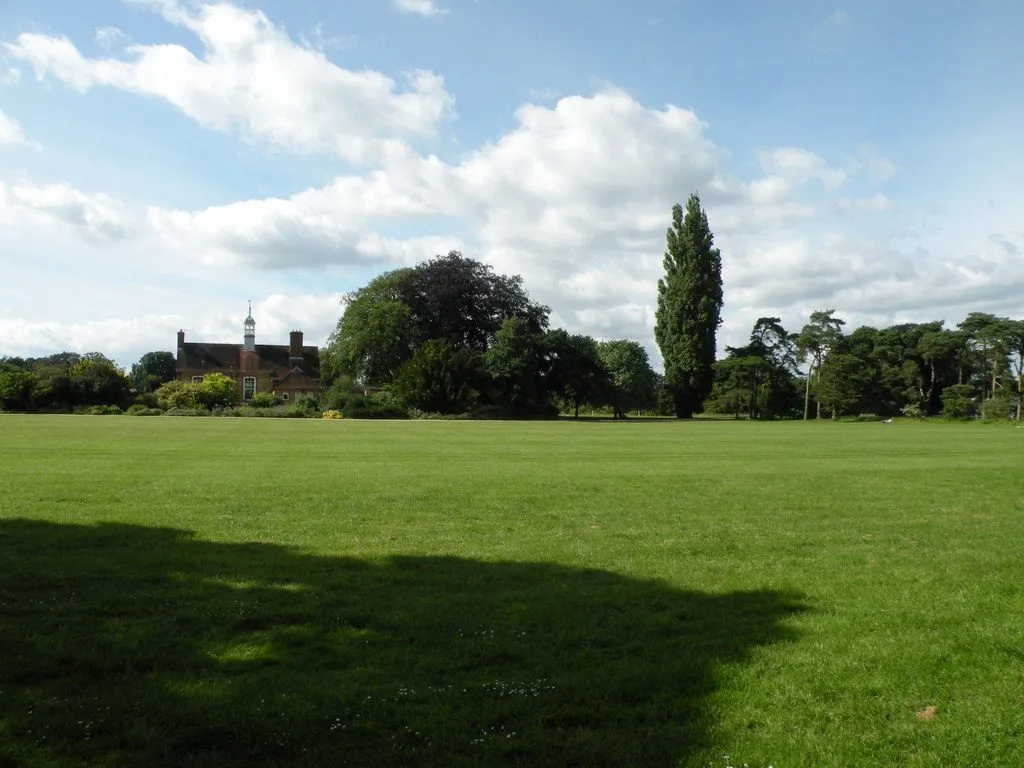
Oxford University Parks
Pictured Oxford University Parks · Keith Edkins (Wikimedia Commons)

Their test subject was a previously unknown protist from a freshwater pond in Oxford University Parks, now called Oligohymenophorea sp. PL0344 2. When postdoc Jamie McGowan assembled its genome, the organism turned out to read DNA by different rules. Two signals that normally tell a cell to stop building a protein had each been reassigned to a different amino acid. Scientists had thought those two signals evolve together; in this protist they had split and taken separate jobs 2. "It's sheer luck we chose this protist to test our sequencing pipeline," McGowan said 2. The paper appeared in PLOS Genetics in 2023.

02/07 Good News

A spinning-eyed buoy and a kite keep seabirds out of fishing nets

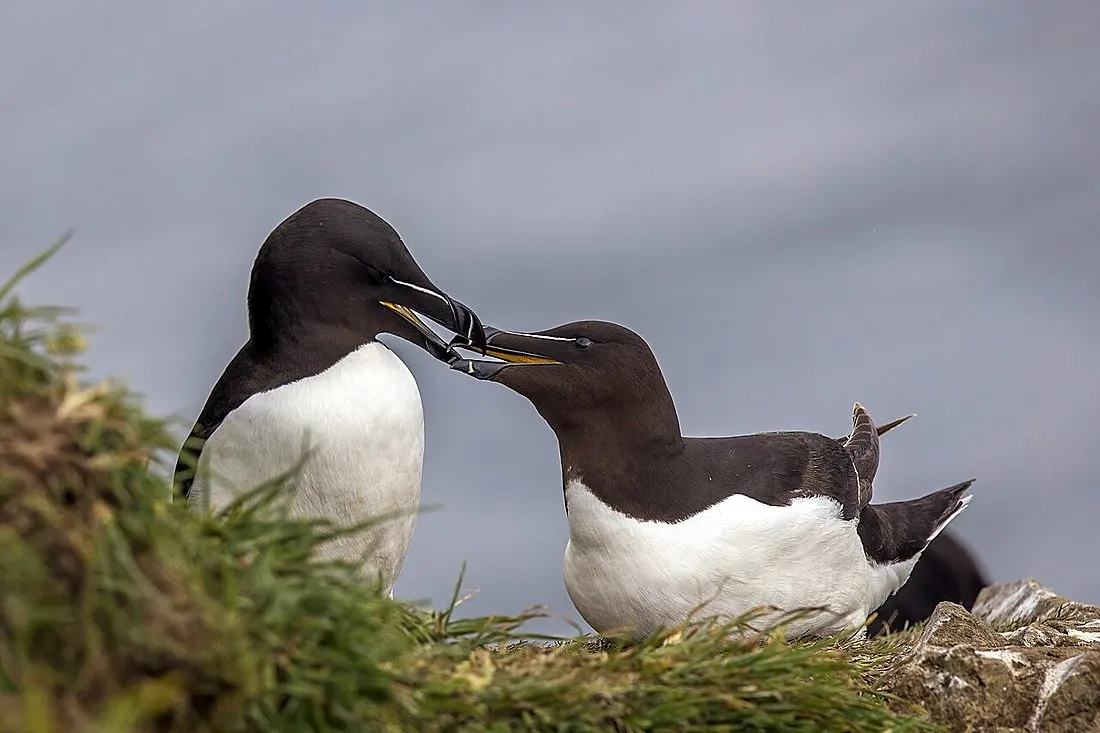
An estimated 95,000 diving birds drown in gillnets off European coasts every year, among them razorbills and guillemots. The nets hang nearly invisible under the surface, so a bird dives straight in and cannot get back up 237.

razorbill seabird
Pictured razorbill seabird · Charles J. Sharp (Wikimedia Commons)

In a two-year trial, ten Cornish fishers fitted cameras to their boats and tested two devices from Fishtek Marine. One is a buoy with a spinning head and two large eyes that floats above the net. The other is a bird-shaped kite flown from the stern, meant to look like a bird of prey 237. University of Exeter scientists analyzed the footage and catch data. Bycatch fell 59 percent with the buoy and 71 percent with the kite, according to the study in Conservation Letters 237. "This study provides some of the strongest evidence to date that simple, practical deterrents can substantially reduce seabird bycatch in gillnet fisheries," said lead author Tom Horton 237.

03/07 Life Sciences Good News

Optogenetics wins a Nobel and shows up in an eye-disease study

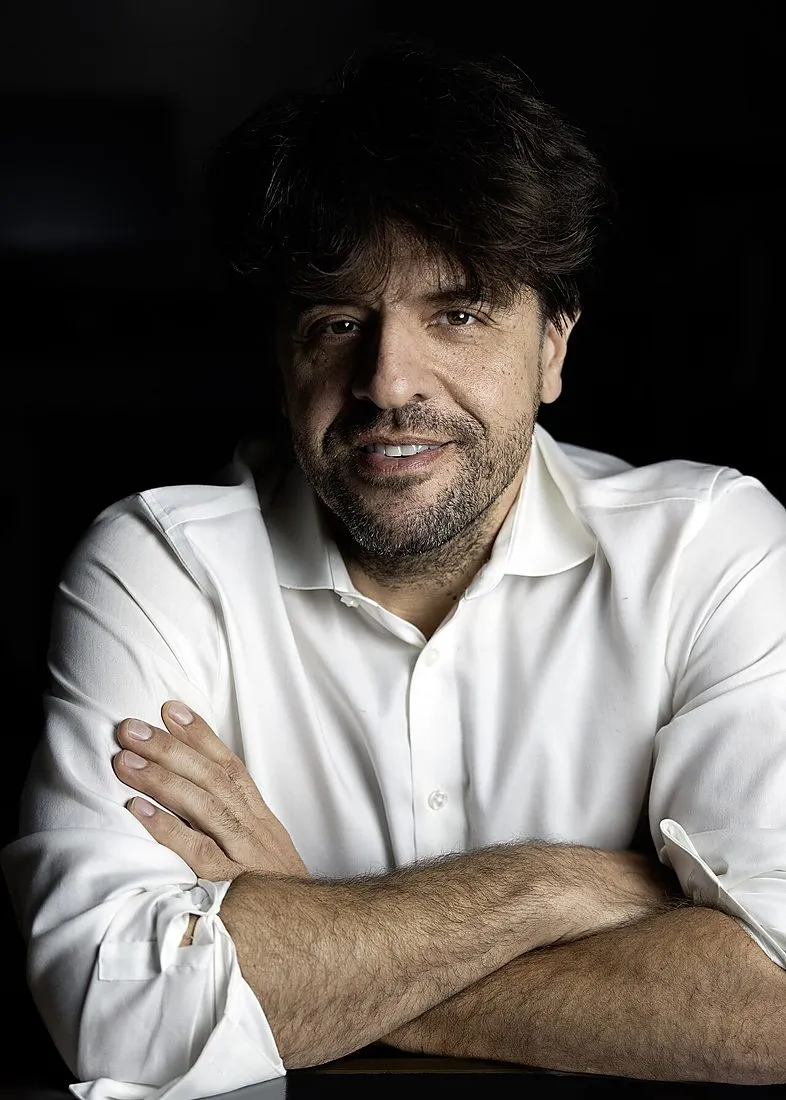
Karl Deisseroth of Stanford, Peter Hegemann and Georg Nagel won this year's Nobel Prize in physiology or medicine for optogenetics, a set of tools that use light to control neurons 22288.

Karl Deisseroth
Pictured Karl Deisseroth · Wikimedia Commons / Karl Deisseroth

"Optogenetics provides opportunities for mapping the brain in a way that we could once only dream of," said Per Svenningsson, chair of the Nobel Committee 222. The same week, the New England Journal of Medicine published a study on a therapy built on the technique for advanced retinitis pigmentosa, a genetic disorder in which the retina's light-sensing cells degenerate 88222. STAT notes that it flagged optogenetics as a Nobel contender almost a decade ago, back when it sat on informal watchlists 88.

04/07 Good News

A 16-year-old is rerouting hospital surplus to clinics that need it

In early August a freight truck pulled up to an OhioHealth facility in Columbus and left with roughly 30,000 pounds of N95 masks and hot-and-cold packs, still sealed and a year or two from expiring.

Today Got Better

The haul is worth an estimated $250,000 and would otherwise have been thrown away 224. Behind it is Project MedBridge, started this year by Ben Kurian, a junior at Olentangy Liberty High School in Powell, Ohio. His mother is a nurse practitioner, and he kept hearing that big hospitals discard good sterile supplies because they won't be used before their dates pass 224. Kurian cold-emailed distributors until the Pittsburgh nonprofit Brother's Brother Foundation agreed to handle shipping to an under-resourced clinic overseas 224. He is part of a student-run wave: United2Heal, founded at the University of Michigan in 2007, has over a hundred undergraduates sorting supplies on Saturdays 224.

05/07 Good News

A 194-year-old tortoise has a strikingly young epigenome

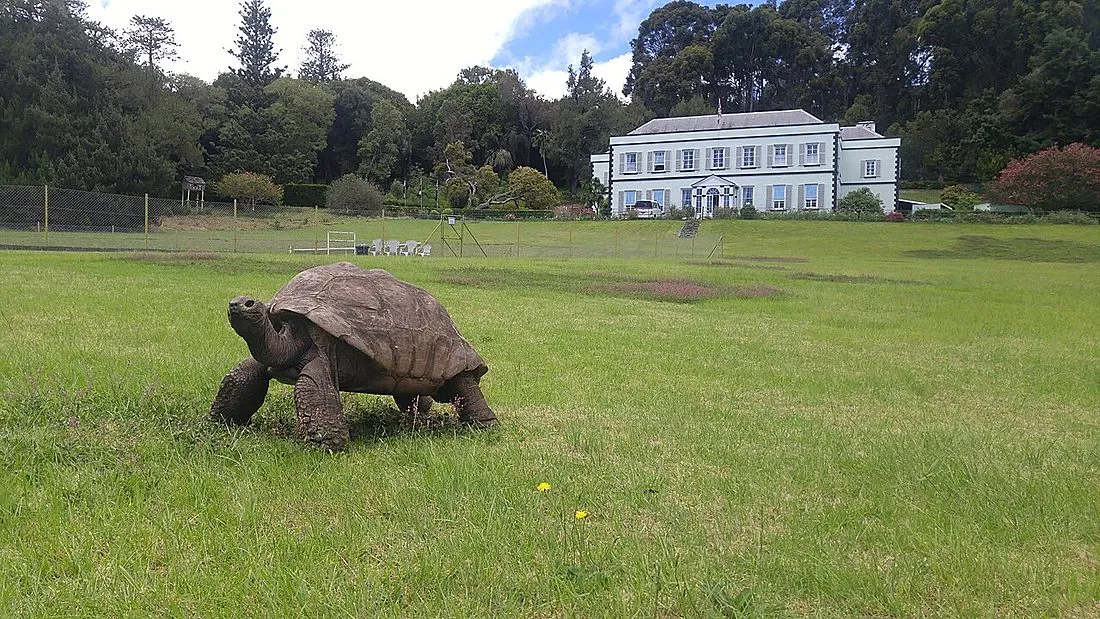
Jonathan, an Aldabra giant tortoise believed to have hatched in 1832, lives on the grounds of the governor's residence on St. Helena.

Jonathan the tortoise
Pictured Jonathan the tortoise · Kevstan (Wikimedia Commons)

He arrived from the Seychelles already fully grown, as a gift, 144 years ago 216220. Researchers led by the longevity nonprofit Kallel sequenced his genome and found 287 unique gene variants tied to DNA repair, lower inflammation, insulin regulation and cancer suppression 216220. They also compared his epigenome, the on/off switches on his genes, with those of younger giant tortoises. The switches controlling DNA repair and metabolism looked "very similar" to the young animals', though the epigenome usually drifts with age 216220. "We found that the gene regulators involved in energy production and DNA repair have remained incredibly stable in Jonathan over almost two centuries," said Cambridge's Justin Gerlach 220. It is the first giant-tortoise epigenome, reported in Science Advances 216.

06/07 Natural Sci.

A dead star's leftovers may have become a second-generation planet

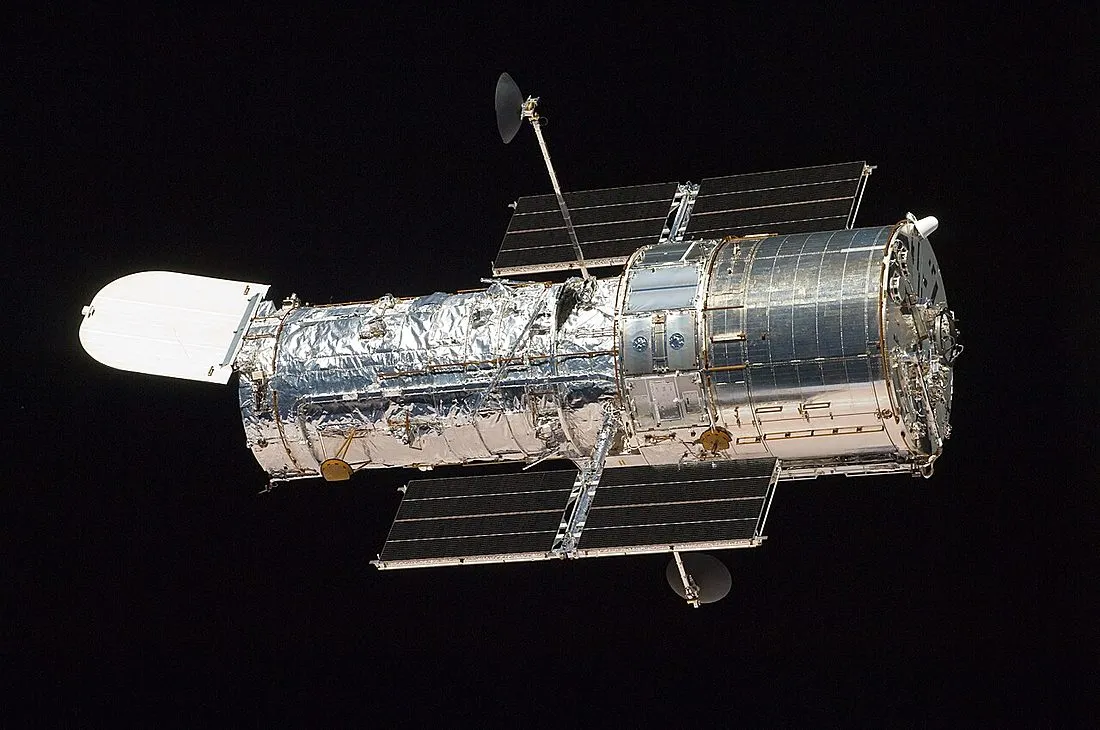
In 1999, Hubble recorded about 100 spectral lines from the white dwarf HS 0209+0832, 270 light-years away, that astronomers could not identify 61. A University of Warwick-led team revisited the data and found zinc, copper and niobium, the last at more than 1,000 times the Sun's level.

Hubble Space Telescope
Pictured Hubble Space Telescope · Wikimedia Commons / Hubble Space Telescope

Co-author Boris Gänsicke said niobium "had not been reported in any other white dwarf analyzed to date," and once it was recognized, "everything fell into place" 61. Nicholas Stone of the University of Wisconsin-Madison explained that the pattern is the signature of the s-process, a nuclear reaction that builds heavy elements inside bloated red giants, and that "no ordinary, 'first-generation' planet should carry" it 61. The team's reading is that gas shed by the dying star was trapped and squeezed into a new planet. They used ground and space observatories, including NASA's TESS 61.

07/07 Natural Sci.

One week of weight training began melting belly fat in mice before the scale moved

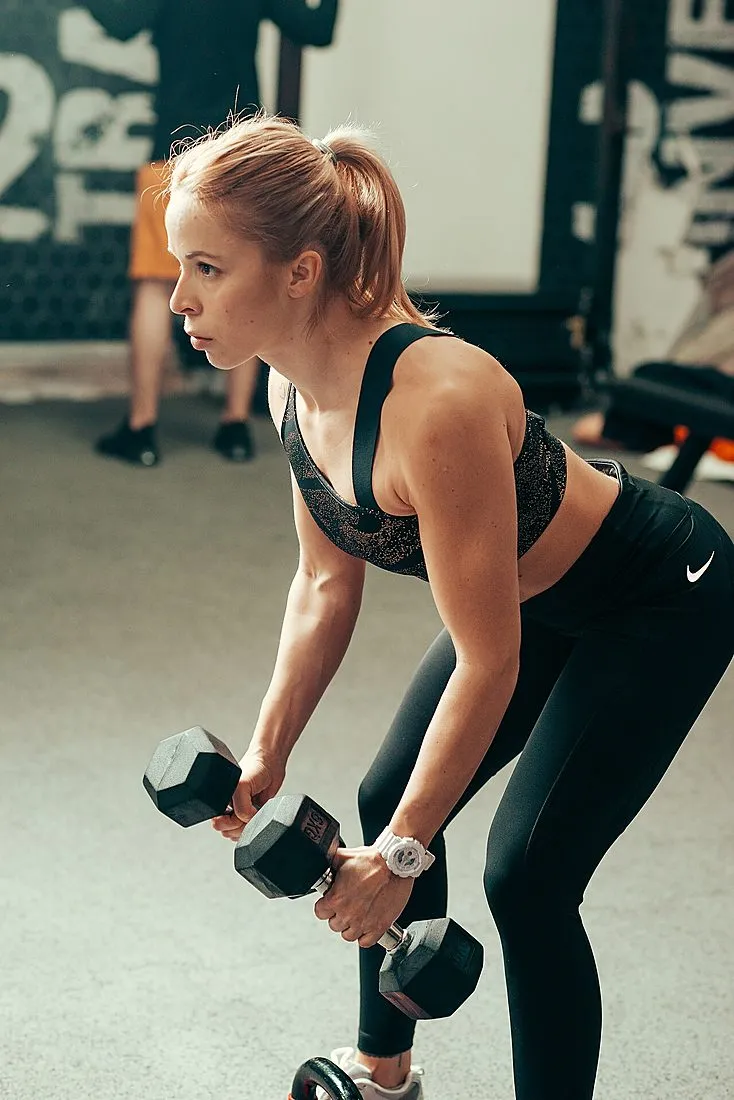
At the State University of Campinas (UNICAMP) in Brazil, researchers put obese male mice on a high-fat diet and had half of them do strength training: climbing a 70-centimeter staircase with weights attached to their tails, 20 climbs per session at 70% of maximum capacity, with 60 to 90 seconds' rest between climbs 7.

a woman doing strength training in a gym
Pictured a woman doing strength training in a gym · Shixart1985 (Wikimedia Commons)

After seven sessions, the trained mice had smaller visceral fat cells, less fat around the intestines and more activity in molecular pathways that break down stored fat, even though their body weight had not changed 7. Diets were identical across the obese groups, so the effect came from exercise itself. The study appeared in the journal Life Sciences 7.

Quick notes

Shorter discoveries from this morning, worth knowing but not a full story.

A Student Finds Three Galaxies and Possibly Solves a Mystery Julian Shapiro found three dwarf galaxies near M101 while still in high school, now named Shapiro I, II and III, and they may be among the first resolved "backsplash" galaxies stripped of gas by a big neighbor and flung outward 64. Universe Today
Single Orangutan Moms Set up Playdates for Their Kids Researchers followed 31 mother-child pairs in Borneo for 15 years and found mothers with similarly aged offspring travel farther, starting a day ahead, so their kids can play, though only on 6% of days and for about 20 minutes each 266. Nautilus
Coffee's memory boosting effect might have nothing to do with caffeine, study suggests In a 31-person experiment, only the decaf group improved on two memory tests, which points toward coffee's polyphenols rather than caffeine, though the study is small and used instant coffee 238. The Optimist Daily
Our Ancient Ancestors' Lost Habitat Revealed by 700,000-Year-Old Elephant's Tooth Isotopes, microwear and pollen around a straight-tusked elephant's tooth show the Hula Valley was woodland and marsh when early hominins left their hand axes there 265. Nautilus
First Images Show How Two DNA Strands Lock Together Like a Zip Atomic force microscopy captured two DNA helices with their grooves aligned like zipper teeth, confirming an arrangement proposed over 20 years ago, with ions forming bridges between them 63. ScienceAlert
Farmers in North Carolina, U.S. tinker with sustainability One North Carolina family converted a barn that once raised chickens into a mushroom greenhouse, and that single barn earned more than all four of their broiler barns had 202. Mercy For Animals
Plant-Forward Menus Are Cutting Emissions, but Not Fast Enough New York City's public schools, serving over a million students daily, have cut per-plate food emissions by nearly 40% since 2019 mostly by dropping high-emission ruminant meat and adding plant-based options 207. Sentient
How Dreamfarm Defied the Vegan Cheese Hate with 45% Growth & A Flexitarian Focus The Italian artisanal vegan cheese maker grew revenue 45% in eight months, from about €130,000 in 2023 to roughly €1.8 million in 2025, by investing in fermentation over shortcuts 196. Green Queen
A Tutor's Free Classes for Migrant Children Grew Into a Movement That Has Cleaned 250 Parks & Streets Vinay Das, who lives in an eight-by-eight-foot rented room in Delhi, has led children in clearing about 250 parks and streets since 2018, and 1,600 kids have now joined 234. The Better India
This Chennai Engineer Used RTIs to Save Elephants & Clean a Lake. Now He Shares How You Can Too Records Dayanand Krishnan obtained about elephant deaths on Tamil Nadu railway lines fed a detection system there, and 6,000 to 7,000 elephant sightings have been safely recorded; the court wants it extended to Kerala 230. The Better India
More Than 14,000 Derelict Explosives Cleared from Libyan City and Nearby Farmland A UN-backed clearance effort removed 14,066 explosive items from one farm near Misratah between January and September, giving displaced residents the option to go home 219. Good News Network
What went right this week: the good news that matters Australia's High Court rejected an appeal to expand the Mount Pleasant coal mine, a ruling that sets a precedent for fossil fuel approvals nationwide 222. Positive News
Brain replays motor skills during sleep without help from the memory center In mice, the striatum, the brain's habit-and-movement region, replayed a learned five-port sequence during sleep without the hippocampus, and blocking plasticity there overnight erased the next day's gains 96. PsyPost
How the Brain Shows Us Depression Is Not One Thing MEG recordings from 263 people with major depression and 75 controls split into five distinct connectivity profiles, each linked to different symptoms, which may help explain why one treatment works for some and not others 104. Psychology Today

Our process. Your trust.

Every discovery above traces back to an article we read in full. This is the whole corpus behind this morning, and what it was made of.

  • 49 Sources scanned
  • 273 Articles read
  • 8 Fields covered
  • 7 Discoveries

The sources that carried this morning

  1. 1 PLOS One 20 articles
  2. 2 Psychology Today: The Latest 20 articles
  3. 3 Ars Technica - All content 14 articles
  4. 4 Pew Research Center 12 articles
  5. 5 STAT 11 articles
  6. 6 The Better India : Latest Posts 11 articles
  7. 7 The Conversation Articles 10 articles
  8. 8 Interesting Engineering 10 articles
How an edition is made

Everything we read today

Natural Sciences 66 articles
PLOS One
Life Sciences & Medicine 22 articles
Psychology & Behavioral Science 32 articles
Psyche | Know Your Self
Social Sciences 29 articles
Technology & Innovation 46 articles
Plant-Based & Vegan 19 articles
Solutions & Good News 34 articles
Human Stories & Ideas 25 articles
The long view · not today’s news, the story behind it

Today’s discoveries didn’t come from nowhere. Here’s the older, ongoing story they belong to, a moment from this day in history, and a question to test what stuck.

Where the story stands

On this day in science

1604 A new star blazes in the sky A brilliant new star appeared in the constellation Ophiuchus, outshining every other star in the sky, and was first recorded in Europe on this night. Johannes Kepler studied it for a year, and it now carries his name. Its arrival helped break the old belief that the heavens never changed. More from the Almanac →

Before you go: today’s quiz

The daily quiz

About what share of the world had access to electricity in 2023?

Reveal the answer

About 92 percent

About 91.6 percent of the world had access to electricity in 2023, up from 73.2 percent in 1998.

See the number →

Previous editions

Every morning we have published, newest first. Nothing expires.

View the full archive

Get this every morning.

Liked today’s? Tomorrow’s reaches your inbox before breakfast.

  • One email each morning, never more
  • The day’s real discoveries across 8 fields
  • One calm read with your coffee

The full letter, every morning, free for good.

Same free letter, plus the reason it stays that way: no ads, no investors, no agenda but the good news itself.

A single gift of any amount. No account, never a recurring charge.