

The daily brief · October 1, 2026

Bats began in Europe, and a gene therapy restores hearing to children

Old questions got measurable answers today, from where bats came from to what a few minutes of your voice says about your brain.

  • 7 Discoveries
  • 303 Articles read
  • 47 Sources
  • 11 Min read

Today’s discoveries

Everything this morning found, in the order we would read it.

7 stories
  1. 01 Natural Sci. Bats began in Europe, 65 million years ago A team of 137 researchers from 64 countries has settled a decades-old argument about where bats come from. Source: ScienceDaily 1 min read
  2. 02 Natural Sci. A gene therapy has restored hearing in children born deaf A home video from 2025 shows a toddler absorbed in a toy bulldozer, turning his head when an adult says "hello." A few months earlier he had been severely deaf from DFNB9, caused by a… Source: Nature 1 min read
  3. 03 Life Sciences Your voice carries a clock for how fast your brain is aging Researchers at Trinity College Dublin's Global Brain Health Institute recorded 2,928 Spanish-speaking adults across five Latin American countries and fed hundreds of acoustic and… Source: Neuroscience News 1 min read
  4. 04 Natural Sci. Regular exercisers have different immune cells, not just fitter muscles A Science Advances study mined the Chinese Immune Multi-omics Atlas, which holds blood samples and lifestyle questionnaires from 400 adults. Source: Live Science 1 min read
  5. 05 Natural Sci. Ocean predators' chemical alarm could give seven weeks' warning of toxic algae When tiny crustaceans called copepods graze on phytoplankton, they release lipids called copepodamides, a kind of predator scent. Source: Phys.org 1 min read
  6. 06 Natural Sci. Pompeii's eruption became a ruler for dating Earth's past Pliny the Younger described Vesuvius burying Pompeii in enough detail to infer a date: Aug. Source: ScienceDaily 1 min read
  7. 07 Natural Sci. The coolest known lava world seems to have an atmosphere HD 3167 b is a rocky planet 154 light-years away that circles its K-type star in 0.96 Earth days. Source: Universe Today 1 min read

The feel-good story of the day

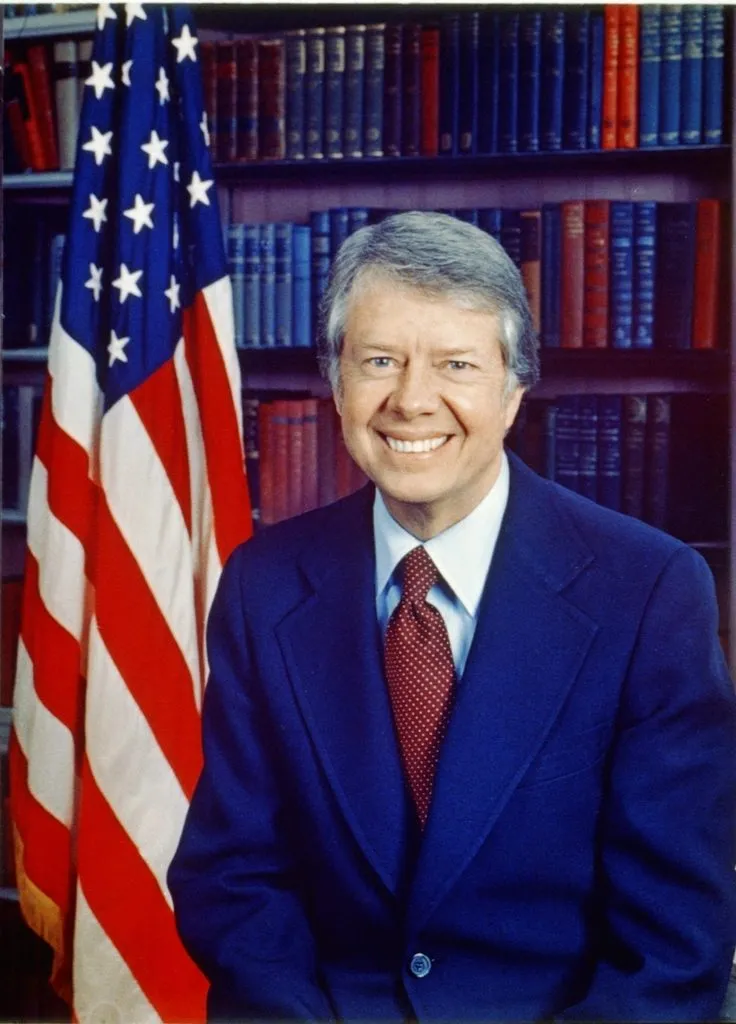
Jimmy Carter libraryofcongress (via rawpixel)
Pictured Jimmy Carter

A peanut farmer who spent his later decades building houses and fighting a parasite

Jimmy Carter was born on October 1, 1924, in Plains, Georgia. He was a naval officer, a peanut farmer and governor of Georgia before serving as the 39th US president from 1977 to 1981. His best-known diplomatic work was brokering the Camp David Accords between Egypt and Israel in 1978.

What he did after leaving office is the larger part of the record. With his wife Rosalynn, he founded the Carter Center in 1982, which monitors elections and runs public-health programs in some of the poorest places in the world. Its campaign against Guinea worm disease took a parasite that once afflicted millions of people a year down to a handful of cases. The couple also spent decades volunteering with Habitat for Humanity, swinging hammers on build sites well into their old age. He received the Nobel Peace Prize in 2002.

He died in December 2024 at the age of 100, the first US president to reach that age. His birthday is a fair reminder that the most useful part of a career can come after the title is gone.

Today’s complete edition

The discoveries, in full

Read the evidence, what it changes, and the reporting behind each of today’s 7 discoveries.

01/07 Natural Sci.

Bats began in Europe, 65 million years ago

A team of 137 researchers from 64 countries has settled a decades-old argument about where bats come from. Working through the Bat1K consortium, they lined up 103 bat genomes, 42 of them newly assembled at chromosome level and covering all 21 living bat families, against evidence from 44 fossil bats.
a bat in flight
Pictured a bat in flight · daveynin (Wikimedia Commons)

The study, published in Nature, puts the origin in Europe during the late Paleocene, roughly 65 to 60 million years ago 6. Descendants then spread into Africa, and from there separate groups reached the Americas, Asia and Australia. Africa, Asia and North America had each been proposed as the birthplace before 6. The data also suggest flight and echolocation appeared near the start of bat evolution, not as later add-ons 6.

02/07 Natural Sci.

A gene therapy has restored hearing in children born deaf

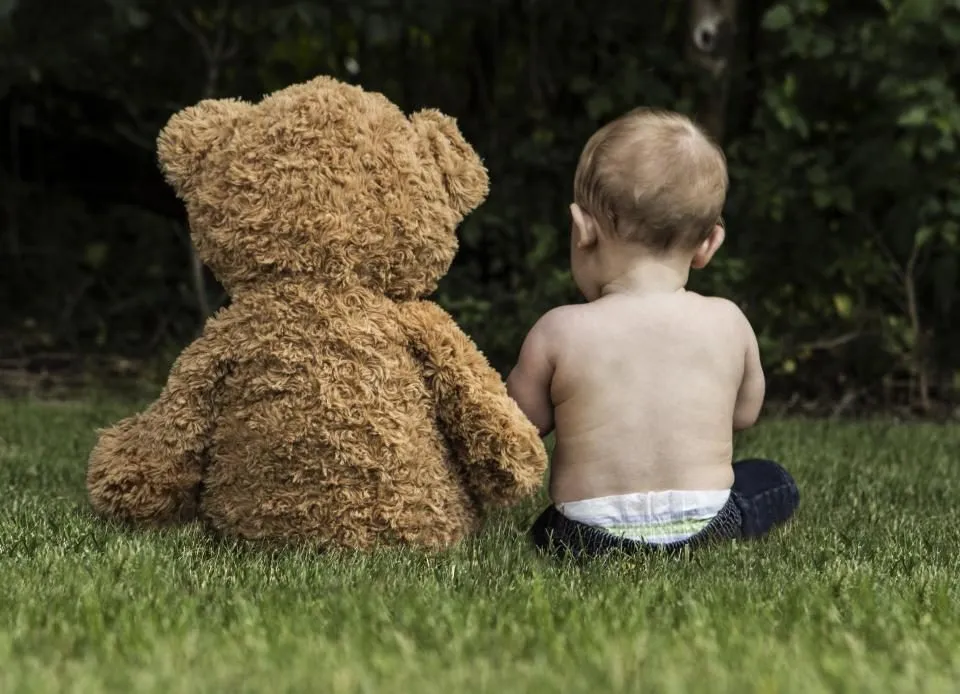
A home video from 2025 shows a toddler absorbed in a toy bulldozer, turning his head when an adult says "hello." A few months earlier he had been severely deaf from DFNB9, caused by a mutation in the otoferlin gene (OTOF), which makes a protein the inner ear needs to pass sound to the auditory nerve 42.

a toddler playing with a toy bulldozer
Pictured a toddler playing with a toy bulldozer · Danielle Truckenmiller (via stocksnap)

He was one of 24 participants, aged 10 months to 16 years, in the CHORD trial of Otarmeni, a gene therapy that delivers a working copy of OTOF to hair cells. Half the participants got one infusion in one ear; half got a dose in both ears 42. Around 80% improved within 24 weeks, and 42% have since regained their hearing 42. In April, Otarmeni became the first gene therapy for hearing loss approved by the US FDA 42.

03/07 Life Sciences Human Stories

Your voice carries a clock for how fast your brain is aging

Researchers at Trinity College Dublin's Global Brain Health Institute recorded 2,928 Spanish-speaking adults across five Latin American countries and fed hundreds of acoustic and linguistic measures into a machine-learning model: pitch, pause length, speech rate, semantic precision, syntax 93.

an older woman talking with a doctor
Pictured an older woman talking with a doctor · Shixart1985 (Wikimedia Commons)

The model guesses a speaker's age, and the gap between that guess and the real age is the "speech age gap." In the Science Advances study, a bigger gap tracked brain atrophy on MRI, three separate DNA-methylation aging clocks, and higher plasma p-tau217, an Alzheimer's marker 93. Participants with larger gaps also scored worse on cognition and memory tests 297. Lifelong social adversity, including lower education, food insecurity and poorer access to health care, pushed the gap wider 93. A separate team at Boston University used language processing on how people retell a story in a routine memory test, counting things like simplified sentences and remarks such as "I forgot her name." In the Long Life Family Study, that profile predicted lower cognitive performance seven years later 98.

04/07 Natural Sci.

Regular exercisers have different immune cells, not just fitter muscles

A Science Advances study mined the Chinese Immune Multi-omics Atlas, which holds blood samples and lifestyle questionnaires from 400 adults. To capture the biggest possible contrast, the team kept only the extremes: people who exercised at least three times a week, totaling more than 150 minutes of moderate or 75 minutes of high-intensity activity, and people who did no exercise at all 19.

a group of adults jogging outdoors
Pictured a group of adults jogging outdoors · Helena Lopes (via stocksnap)

Exercisers showed stronger sugar, fat and muscle metabolism and more antioxidant molecules, much of which was already known 19. The new part came from looking at individual cells, including how accessible genes are on the DNA, and found exercisers' immune cells were more vigilant 19. An outside researcher, Michael Siebers of the University of Duisburg-Essen, called it the first look at what happens at the cellular level when people do sports 19.

05/07 Natural Sci.

Ocean predators' chemical alarm could give seven weeks' warning of toxic algae

When tiny crustaceans called copepods graze on phytoplankton, they release lipids called copepodamides, a kind of predator scent. Diatoms of the genus Pseudo-nitzschia pick up that scent and respond by making more domoic acid, a potent neurotoxin 78.

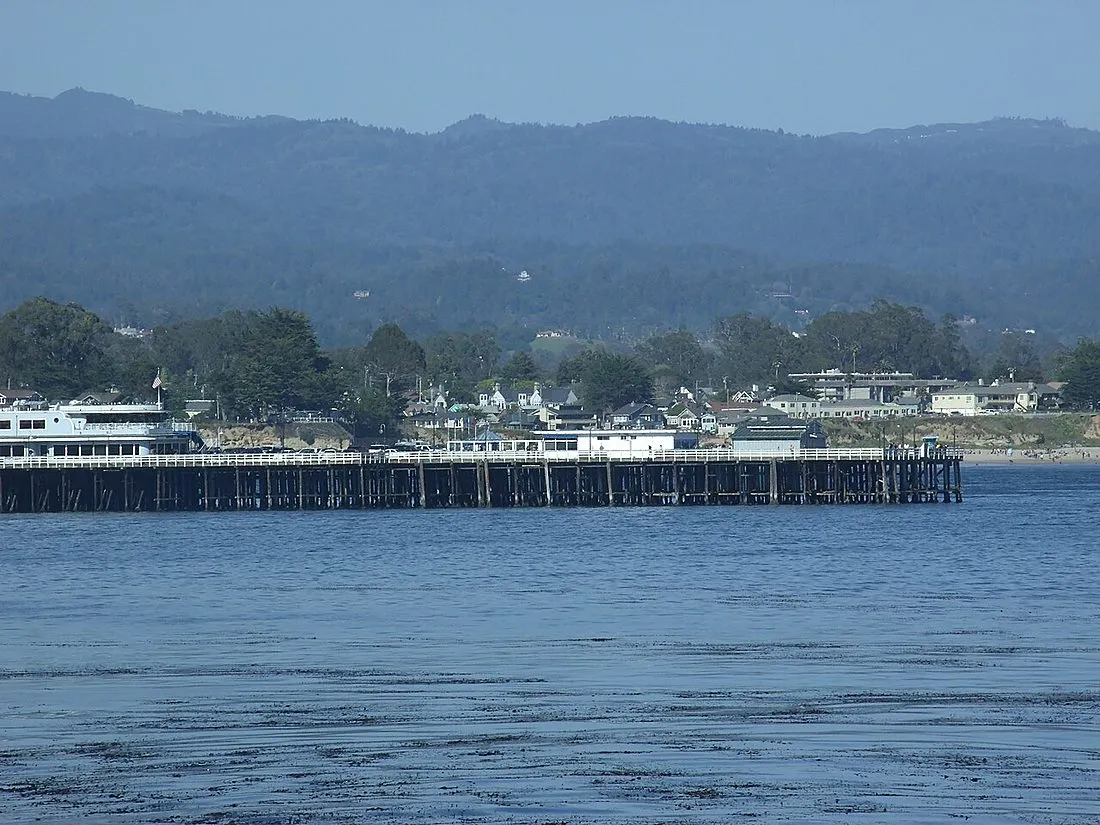
Santa Cruz Municipal Wharf
Pictured Santa Cruz Municipal Wharf · Noah_Loverbear (Wikimedia Commons)

Researchers at UC Santa Cruz realized they could read the same signal. They adapted a passive sampling method, resin beads in mesh rings that soak up dissolved compounds over days or weeks, to catch copepodamides that are otherwise too dilute and short-lived to measure in open seawater 78. Over a 28-month campaign at the Santa Cruz Municipal Wharf, a hot spot for toxic blooms in Monterey Bay, the cues allowed forecasts up to seven weeks ahead, more than a month longer than conventional toxin tracking, according to the PNAS study 78.

06/07 Natural Sci.

Pompeii's eruption became a ruler for dating Earth's past

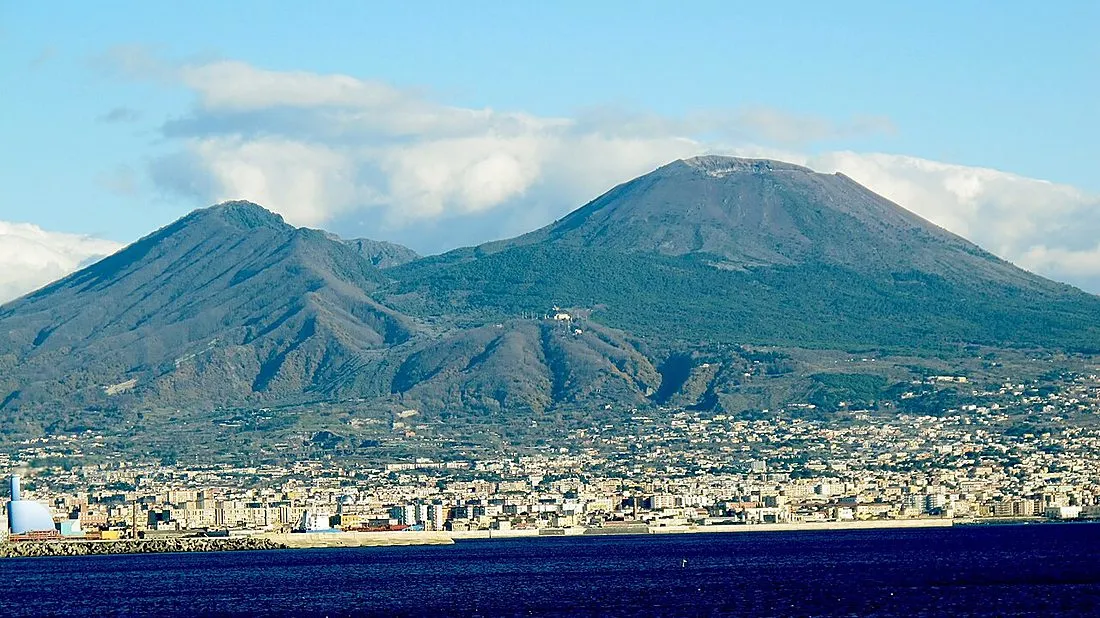
Pliny the Younger described Vesuvius burying Pompeii in enough detail to infer a date: Aug. 24, 79 CE.

Mount Vesuvius
Pictured Mount Vesuvius · Wikimedia Commons / Mount Vesuvius

Researchers from the Berkeley Geochronology Center, UC Berkeley and the University of Padua used that date to calibrate argon-argon dating, a standard method for dating volcanic rock 12. They measured eight samples of sanidine, a potassium-bearing mineral from Vesuvius. The result was 1,938 ±13 years before the 2025 analysis, against a historical age of 1,946 years, a precision of 0.7% 12. The work appears in Science Advances. Study leader Paul Renne said it shows that this level of precision and accuracy can be reached "into the historical realm" 12.

07/07 Natural Sci. Human Stories

The coolest known lava world seems to have an atmosphere

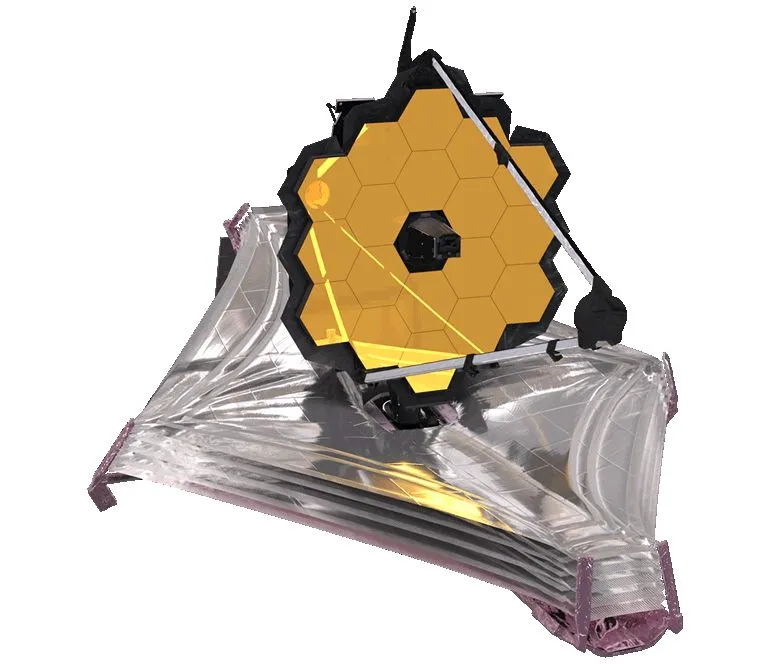
HD 3167 b is a rocky planet 154 light-years away that circles its K-type star in 0.96 Earth days 91. Astronomers pointed the James Webb Space Telescope at it as it slipped behind its star, a secondary eclipse, and measured infrared light from its dayside 91.

James Webb Space Telescope
Pictured James Webb Space Telescope · Wikimedia Commons / James Webb Space Telescope

A bare rock that close to its star should be as hot as physics allows. This one was much cooler than expected, which fits heat being carried to the night side by an atmosphere, or clouds reflecting light and heat 296. The study is in The Astrophysical Journal Letters.

What each field noticed (2)
Nautilus

This Cool Lava Planet Has an Atmosphere

It counts the club: four lava worlds had atmospheres, and HD 3167 b makes five 296. Study author Edwin Kite says the planet may have an Earth-mantle-like silicate makeup, and some of these worlds may carry heavier gases such as carbon dioxide, carbon monoxide or water, not just vaporized rock 296.

Read the story

Quick notes

Shorter discoveries from this morning, worth knowing but not a full story.

New Gobi Desert Fossil Rewrites a Chapter of Mammal Evolution A skull-to-ankle fossil of Tamirkhan balcarceli, found on a 2004 expedition by Andres Giallombardo when he was a graduate student, shows that zhelestids were not placental mammals as teeth alone had suggested for decades 260. Good News Network
First Ever Recorded Sea Turtle Nests on America’s West Coast Olive ridley turtles nested at Seal Beach and Huntington Beach, and officials rescued 204 eggs ahead of a storm surge and moved them to incubators at the Aquarium of the Pacific, though it is unclear whether they will hatch 263. Good News Network
Magnetic Stimulation Improves Long COVID “Brain Fog” In a triple-blind, sham-controlled pilot, 15-minute at-home headset sessions twice a week for four weeks improved working memory, processing speed and verbal learning, with gains still there at the eight-week follow-up 94. Neuroscience News
Rapamycin Boosts Brain Blood Flow in Alzheimer’s Gene Carriers Four weeks of low-dose rapamycin raised cerebral blood flow in healthy 45-to-65-year-old APOE4 carriers and not in non-carriers, a small pilot aimed at an early vascular shortfall that appears long before symptoms 95. Neuroscience News
Brain Cells Measure Axons to Build the Perfect Myelin Sheath Oligodendrocytes use the pressure-sensing protein Piezo1 to gauge how thick a nerve fiber is and size each myelin segment to match, which could eventually inform remyelination in multiple sclerosis 96. Neuroscience News
Mars' North Pole Ice Is Far Cleaner Than Expected A new estimate puts the dust in the top layer of north polar ice at about 3% by mass, not the 25% earlier models used, because dusty winter frost burns off each summer and exposes cleaner, older ice 89. Universe Today
How Argentina’s battery-powered Tren Solar is recharging an ancient Andean route A two-car train running on six lithium batteries charged by Jujuy's sun has carried more than 90,000 riders along 42 kilometers of a valley that lost its rail service around 30 years ago 280. The Optimist Daily
Every Sunday, These Arunachal Villages Sort Waste Into 22 Types Before It Ever Leaves Their Homes About 6,000 people across 27 villages around Zemithang sort and wash their waste at home, each household pays Rs 50, and nearly 90 tonnes has been recovered so far 276. The Better India
This Andaman IFS Officer Got Bird Hunters to Swap Guns for Cameras & Cleared 1 Lakh+ Kg of Waste Instead of just enforcing hunting rules, forest officer Sandeep Divyajyoti Behera gave hunters birdwatching workshops and clubs, then led clean-ups across about 100 beaches that hauled out 1.19 lakh kg of marine litter, 32.4% of the identifiable waste from outside India 274. The Better India
Coastal Golf Course Turned into Vital Wetland Habitat for Seabirds The National Trust bought a Lincolnshire golf course in 2020 and rebuilt it as a wetland about the size of 45 football fields, where avocets and oystercatchers nested before the site even opened 262. Good News Network
Future Food Quick Bites: The Vegetarian Butcher, Protein Chocolate & Non-Dairy Sales In Germany, Europe's largest plant-based market, meat-alternative volume sales rose 15.7% from January to August while conventional meat slipped 0.5%, even as US plant-milk volumes fell 5.4% over the year 244. Green Queen
One of Austin's Best Vegan Restaurants Just Came Back From the Dead Sue Davis reopened Counter Culture after a Kickstarter that raised nearly $50,000, and says she did it because of "stubbornness and love" and because she missed cooking for people 251. VegNews.com
Their Wedding Guests Couldn’t Make It, So Hundreds of Strangers Came Instead After storm damage cut off Hatteras Island and stranded most of their 45 guests, a friend's social media invitation brought more than 400 strangers to a campground wedding, with a volunteer officiant, DJ and photographer, until the food ran out 267. Sunny Skyz

Our process. Your trust.

Every discovery above traces back to an article we read in full. This is the whole corpus behind this morning, and what it was made of.

  • 47 Sources scanned
  • 303 Articles read
  • 8 Fields covered
  • 7 Discoveries

The sources that carried this morning

  1. 1 Nature 20 articles
  2. 2 PLOS One 20 articles
  3. 3 Psychology Today: The Latest 20 articles
  4. 4 Ars Technica - All content 19 articles
  5. 5 STAT 16 articles
  6. 6 Latest Science News -- ScienceDaily 15 articles
  7. 7 Phys.org 15 articles
  8. 8 Psychiatric Times articles 13 articles
How an edition is made

Everything we read today

Natural Sciences 92 articles
Nature
PLOS One
Life Sciences & Medicine 36 articles
Psychology & Behavioral Science 32 articles
Psyche | Know Your Self
Social Sciences 31 articles
Technology & Innovation 50 articles
Plant-Based & Vegan 17 articles
Solutions & Good News 23 articles
Human Stories & Ideas 22 articles
The long view · not today’s news, the story behind it

Today’s discoveries didn’t come from nowhere. Here’s the older, ongoing story they belong to, a moment from this day in history, and a question to test what stuck.

Where the story stands

On this day in science

1958 NASA opens for business The National Aeronautics and Space Administration began operations, bringing the country's civilian space work under one roof. Created in the wake of Sputnik, the young agency would land people on the Moon within 11 years. It went on to send robots across the solar system. More from the Almanac →

Before you go: today’s quiz

The daily quiz

Which process pulls nitrogen out of the air to make fertilizer, and now helps feed about half the world?

Reveal the answer

The Haber-Bosch process

The Haber-Bosch process, developed by Fritz Haber and Carl Bosch between 1909 and 1913, combines nitrogen from the air with hydrogen to make ammonia for fertilizer. It supports roughly half the global population.

See the Lifesaver →

Previous editions

Every morning we have published, newest first. Nothing expires.

View the full archive

Get this every morning.

Liked today’s? Tomorrow’s reaches your inbox before breakfast.

  • One email each morning, never more
  • The day’s real discoveries across 8 fields
  • One calm read with your coffee

The full letter, every morning, free for good.

Same free letter, plus the reason it stays that way: no ads, no investors, no agenda but the good news itself.

A single gift of any amount. No account, never a recurring charge.