

The daily brief · October 4, 2026

Old hearts seem to grow younger, and a 97-million-year-old compass

Context kept changing what sits inside it today: a young body seemed to reset an old heart's clock, and Earth's gravity bent a spacecraft toward Jupiter.

  • 7 Discoveries
  • 137 Articles read
  • 26 Sources
  • 9 Min read

Today’s discoveries

Everything this morning found, in the order we would read it.

7 stories
  1. 01 Natural Sci. A spacecraft borrows Earth's gravity and barely touches its fuel On September 28 at 13:45 CEST, ESA's Juice passed 8,640 km above the Indian Ocean and let Earth's gravity do the steering. Source: ScienceDaily 1 min read
  2. 02 Natural Sci. Old hearts seem to take on the age of the body they move into A Harvard Medical School team led by Jesse Poganik transplanted hearts between mice of different ages. Source: ScienceAlert 1 min read
  3. 03 Natural Sci. Tiny magnetic fossils may be the oldest animal compass Magnetofossils are microscopic magnetic structures shaped like spearheads, spindles, bullets, and needles, each no bigger than a bacterial cell. Source: ScienceDaily 1 min read
  4. 04 Life Sciences Teens who walk more report fewer mental health symptoms a year later Researchers at King's College London and UMass Amherst followed more than 5,500 American adolescents in the ABCD Study and compared their daily step counts with mental health one year later. Source: Neuroscience News 1 min read
  5. 05 Natural Sci. Cutting ultra-processed food was followed by lower depression scores A UCSF pilot led by psychiatry researcher Nyasha Chagwedera enrolled 20 adults, average age about 44, who had lived with depression for nearly 13 years. Source: ScienceAlert 1 min read
  6. 06 Technology A motel-room lab found two new relatives of an evolutionary rarity Julia Van Etten first found a Paulinella, a single-celled microbe, in a water sample from a North Carolina vacation, a chance the New York Times likened to "finding a needle in a… Source: Futurism 1 min read
  7. 07 Natural Sci. One in eight cancers traces to infections, and most come from four germs A Lancet Oncology analysis published September 28 mapped 12 cancer-causing pathogens and estimated that infections drove about 2.3 million of roughly 20 million new cancer cases in 2024,… Source: Live Science 1 min read

The feel-good story of the day

a smiling hospital valet greeting a patient NASA (via rawpixel)
Pictured a smiling hospital valet greeting a patient

The valet who tells cancer patients they've got this

Jon Avery parks cars at Roswell Park Comprehensive Cancer Center in Buffalo, New York. He greets patients in a Buffalo Bills hat, and before they walk in he tells them something encouraging. Breast cancer survivor Kate Fink said that during treatment he would say "You got this," and eventually she started believing him.

His goal is "to have a meaningful encounter that's not hollow." When he mentioned he was saving money to see a Bills game, Fink remembered. She and her coworkers at West Herr Automotive Group raised the money and arranged tickets and field passes, plus a signed Josh Allen jersey.

He expected nothing. "I serve people, that's what I do," Avery said. A patient decided it was his turn to be on the receiving end.

Today’s complete edition

The discoveries, in full

Read the evidence, what it changes, and the reporting behind each of today’s 7 discoveries.

01/07 Natural Sci.

A spacecraft borrows Earth's gravity and barely touches its fuel

On September 28 at 13:45 CEST, ESA's Juice passed 8,640 km above the Indian Ocean and let Earth's gravity do the steering 2. The pass turned the spacecraft's path by 20 degrees and added 3.5 km/s to its speed.
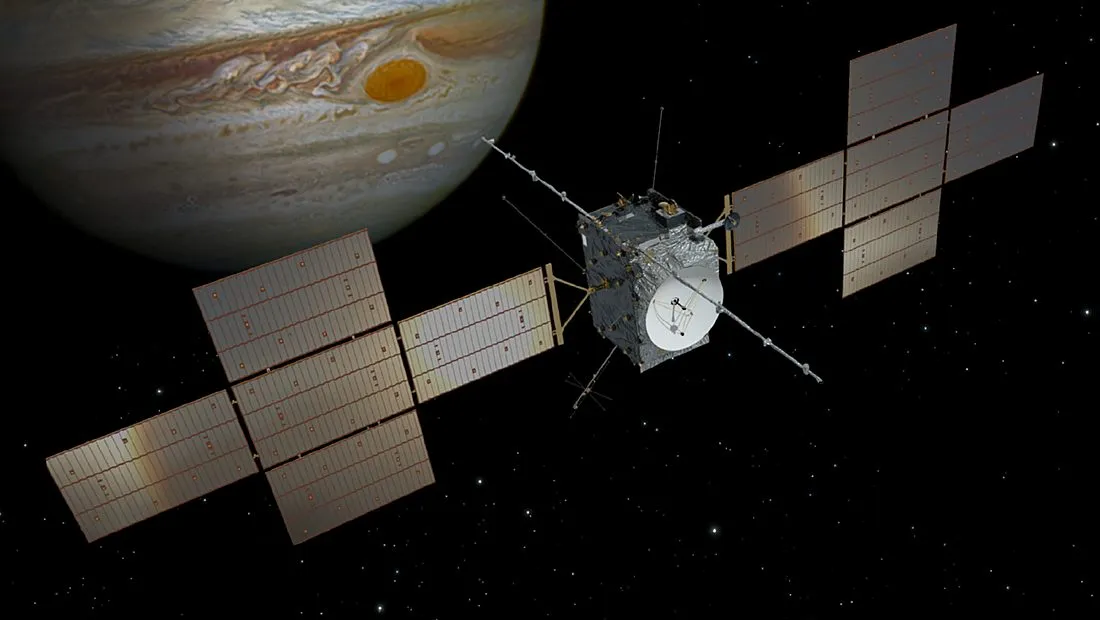
Jupiter Icy Moons Explorer
Pictured Jupiter Icy Moons Explorer · Wikimedia Commons / Jupiter Icy Moons Explorer

In the four weeks before the encounter, controllers had six slots reserved for course corrections and used exactly one 2. The flyby also gave the team a calibration target: Earth and the Moon, in front of Juice's 10 instruments. It was the third such chance, after the 2024 lunar-Earth flyby and the 2025 look at Comet 3I/ATLAS 2.

02/07 Natural Sci. Technology

Old hearts seem to take on the age of the body they move into

A Harvard Medical School team led by Jesse Poganik transplanted hearts between mice of different ages. The recipient kept its own heart, and the donor heart was connected to blood vessels in the neck 40.

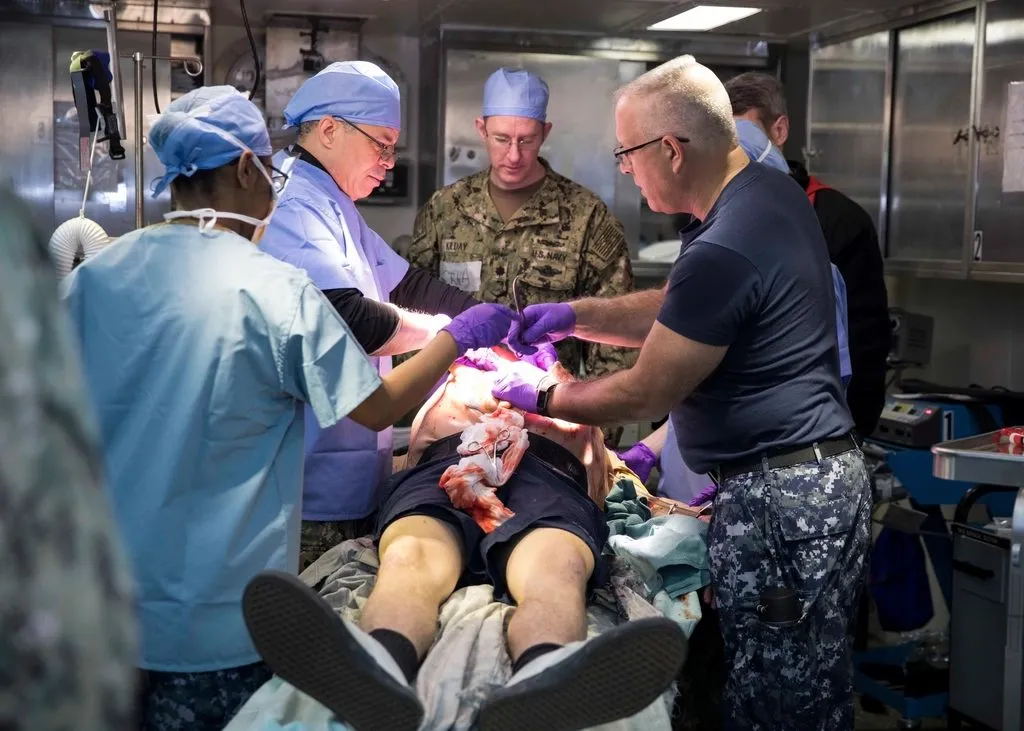
a surgical team in an operating room
Pictured a surgical team in an operating room · U.S. Forest Service (source) (via rawpixel)

Four to six months later they read the epigenetic clocks, chemical tags on DNA that estimate biological age, in the transplanted hearts, the original hearts, livers, and blood 40. Older hearts in younger mice appeared biologically younger, and younger hearts in older mice showed signs of faster aging 40. A quote relayed in the weekly roundup says the group saw the same effect in human transplant recipients, with some but not all functional measures tracking the prediction 105. The work is a bioRxiv preprint and has not been peer reviewed 40.

03/07 Natural Sci.

Tiny magnetic fossils may be the oldest animal compass

Magnetofossils are microscopic magnetic structures shaped like spearheads, spindles, bullets, and needles, each no bigger than a bacterial cell 14. Cambridge and Helmholtz Zentrum Berlin researchers made the first 3D images of the magnetic structure inside 97-million-year-old examples from seafloor sediment 14.

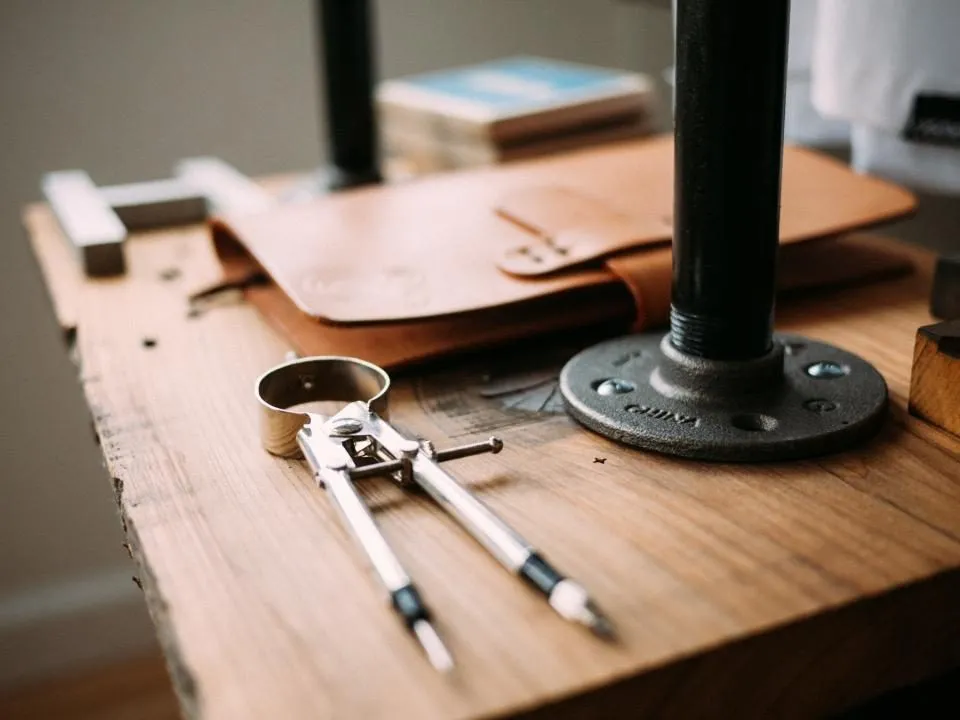
a compass
Pictured a compass · Jeff Sheldon (via stocksnap)

The internal features appear built to sense both the direction and the strength of Earth's magnetic field, which together work like a map reference 14. Nobody knows what organism made them. "Whatever creature made these magnetofossils, we now know it was most likely capable of accurate navigation," said Professor Rich Harrison 14.

04/07 Life Sciences

Teens who walk more report fewer mental health symptoms a year later

Researchers at King's College London and UMass Amherst followed more than 5,500 American adolescents in the ABCD Study and compared their daily step counts with mental health one year later 43.

teenagers walking to school
Pictured teenagers walking to school · Unknown (via rawpixel)

Teens under 5,000 steps a day reported the most anxiety, low mood, and behavioral difficulties; those at 12,000 or more reported the fewest 43. There was no plateau in the range observed 43. Brain imaging showed slightly thicker cortical tissue in regions governing movement and emotional regulation among the highest-step teens 43.

05/07 Natural Sci.

Cutting ultra-processed food was followed by lower depression scores

A UCSF pilot led by psychiatry researcher Nyasha Chagwedera enrolled 20 adults, average age about 44, who had lived with depression for nearly 13 years 39. Each spent four weeks on their usual diet and four on a low-ultra-processed-food diet, in randomized order, then switched; nineteen finished 39.

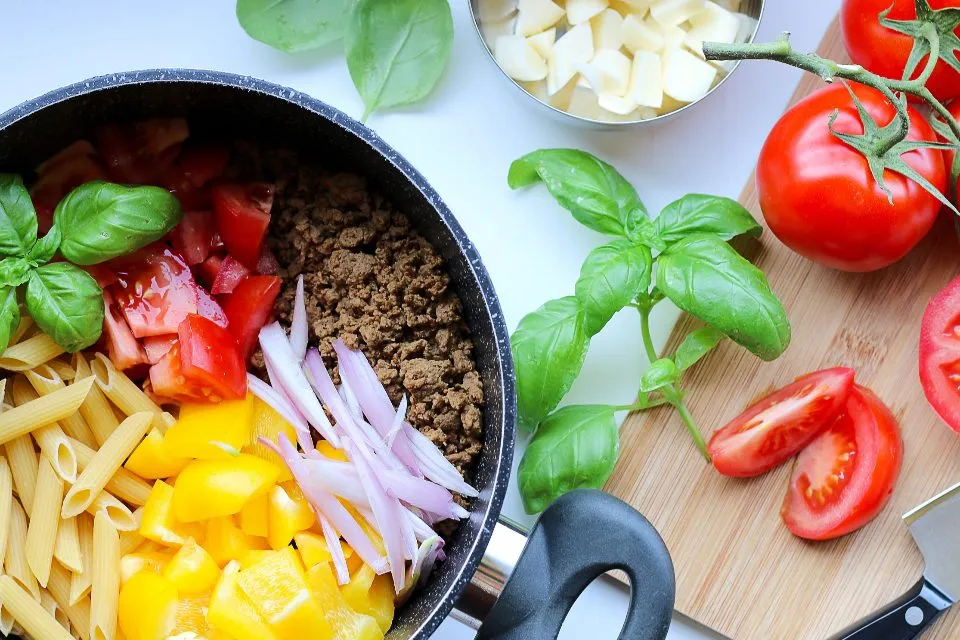
a home-cooked meal of vegetables on a kitchen table
Pictured a home-cooked meal of vegetables on a kitchen table · Burst (via stocksnap)

Scores on a questionnaire about highly processed food fell from 10.10 to 1.42 39. The nine-question PHQ-9 averaged 8.68 on the usual diet and 5.53 on the low-ultra-processed one, and the clinician-rated MADRS averaged 18.9 versus 8.05 39.

06/07 Technology

A motel-room lab found two new relatives of an evolutionary rarity

Julia Van Etten first found a Paulinella, a single-celled microbe, in a water sample from a North Carolina vacation, a chance the New York Times likened to "finding a needle in a thousand haystacks" 80.

a researcher collecting a water sample at a pond
Pictured a researcher collecting a water sample at a pond · NASA (via rawpixel)

After a 2025 federal funding freeze locked her out of a $60,000 National Science Foundation fellowship (the money was later restored), she and other displaced biologists kept collecting samples 80. They worked in an $80-a-night motel room and noticed they were looking at two different species. DNA sequencing at a lab in South Korea confirmed it, and the Journal of Phycology report brings the known total to six 80.

07/07 Natural Sci.

One in eight cancers traces to infections, and most come from four germs

A Lancet Oncology analysis published September 28 mapped 12 cancer-causing pathogens and estimated that infections drove about 2.3 million of roughly 20 million new cancer cases in 2024, around 12% 18.

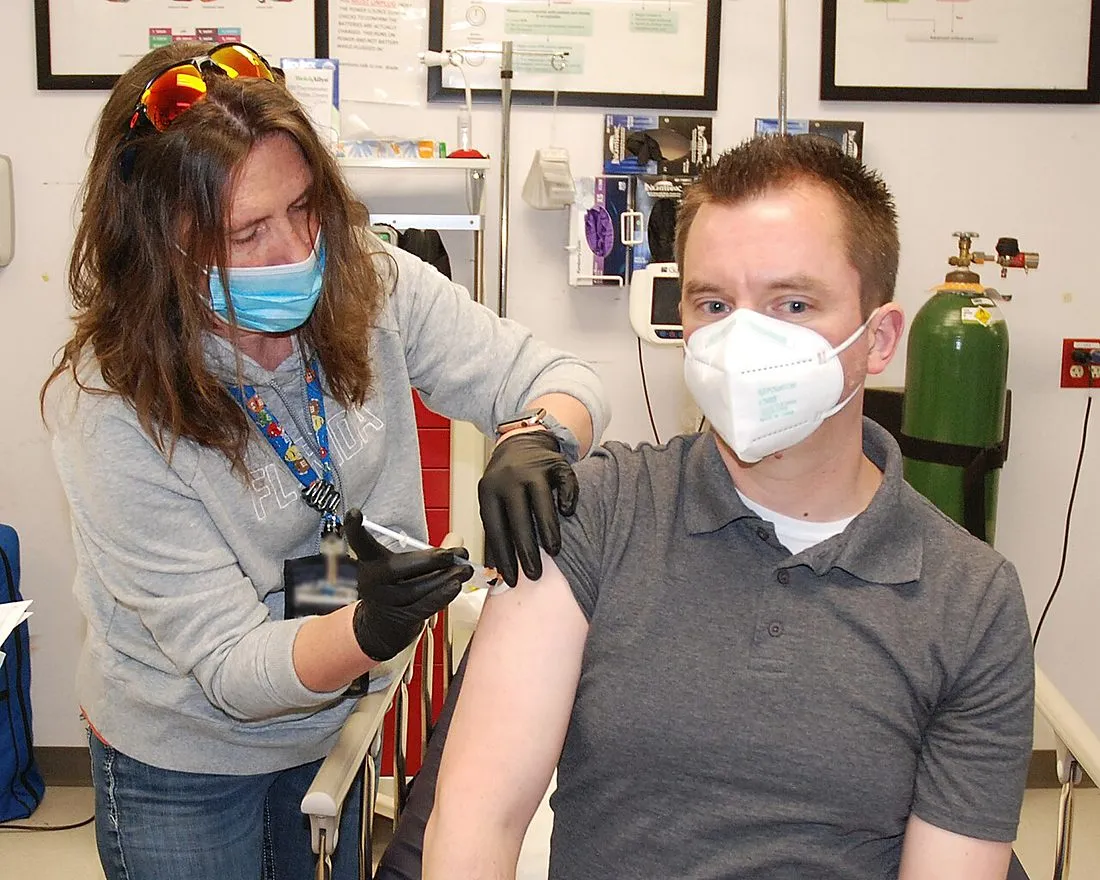
a nurse giving a vaccine to a teenager
Pictured a nurse giving a vaccine to a teenager · PEO ACWA (Wikimedia Commons)

Four pathogens account for about 92% of those: Helicobacter pylori with 760,000 cases, mostly gastric cancers; HPV with 750,000; hepatitis B with 360,000; and Epstein-Barr virus with 260,000 18.

Quick notes

Shorter discoveries from this morning, worth knowing but not a full story.

Underwater Umbrellas Could Protect Coral Reefs From Heat Damage Florida scientists floated PVC-and-nylon shades 30 cm over brain corals in summer 2024, cutting light by 60%, and the shaded corals lost less color than expected and even regained some 117. The heat was not severe enough to kill any coral, shaded or not, so this is proof of concept 117. Good News Network
This Sea Creature Looks Like Poop. It May Also Live For 120 Years. Because tags fall off sea cucumbers within weeks, researchers used DNA as the tag, froze samples for 24 years, and returned to Lizard Island to find 53 animals that suggest the black teatfish barely grows and may be the first sea cucumber to pass a century 42. ScienceAlert
Ancient Christian Complex Reopens in Syria After 14 Years, a War, and an Earthquake The Saint Simeon church complex in Aleppo reopened October 2 after landmines were cleared and structures reinforced; pilgrims over the centuries chiseled the saint's pillar from 15 meters to a 3-meter stub 118. Good News Network
With Viral New York City Cleanup Movement, 24-Year-Old Is Giving Power to the People David Clarke noticed that tree pits are the one piece of sidewalk nobody owns, so he lined a whole Washington Heights block with wooden guards and flowers, funded by over $55,000 raised in under five months 123. Nice News
After 6 Failed UPSC Attempts, She Restarted at 30 to Help 900 Rural Kids Catch Up in Maths & English After her civil-service exam dream ended, Shruti Shrivastava ran Project Neev, which has reached around 900 children across 10 government schools and nine hostels and employs 30 rural women as Shiksha Saathis 128. The Better India
Scientists Tested Whether Leftovers Really Taste Better The Next Day. One Dish Stood Out. In a blind test with 65 adults, only butter chicken was clearly preferred the next day, in nearly 64% of comparisons, while beef lasagna could not be told apart from fresh 38. The study is a preprint 38. ScienceAlert
Even one strength training session a week could make a difference Squats, bands, or body weight can preserve or rebuild muscle against age-related loss, and even one session a week can produce meaningful benefits 17. ScienceDaily
Psilocybin shows early promise for lingering Lyme disease symptoms Twenty people with post-treatment Lyme disease had 40% lower symptom burden six months after two supported psilocybin sessions, though there was no control group 55. PsyPost
Q&A: An Earth-like planet with two suns? Modeling suggests an Earth-mass planet could keep a stable orbit in the habitable zone of the larger star in 70 Ophiuchi, about 5 parsecs away, where no planets have been confirmed 22. Phys.org
Energy production, virus defenses and toxin loading emerge as vulnerabilities in resistant bacteria Singapore researchers designed a compound that blocks an energy enzyme unique to Mycobacterium abscessus, and with clofazimine it cut the bacterium 2-log in four days in the lab 30. Phys.org
Dairy waste could be a sweet new source of biofuel Take Root Bio and Heriot-Watt turned salty cheddar whey, about 95,000 tonnes a year in the UK, into bioethanol, though the microbe and process details are not yet public 104. New Atlas
“Floating Scarecrow” Demonstrates the Enduring Power of Eyes in the Natural World Rubber masks with eyes worn on the back of the head deterred tiger attacks for a while, and a new study applies the principle to the 95,000 diving seabirds that drown in European gillnets each year 136. Nautilus
Scientists just made a superconductor stronger using “empty space” A terahertz split-ring "dark cavity" amplified vacuum fluctuations enough to raise an ultrathin material's superconducting transition temperature by up to 5.4% 9. ScienceDaily

Our process. Your trust.

Every discovery above traces back to an article we read in full. This is the whole corpus behind this morning, and what it was made of.

  • 26 Sources scanned
  • 137 Articles read
  • 8 Fields covered
  • 7 Discoveries

The sources that carried this morning

  1. 1 Latest Science News -- ScienceDaily 17 articles
  2. 2 Psychology Today: The Latest 15 articles
  3. 3 Phys.org 13 articles
  4. 4 Futurism 11 articles
  5. 5 Interesting Engineering 10 articles
  6. 6 ScienceAlert 8 articles
  7. 7 PsyPost Psychology News 7 articles
  8. 8 VegNews.com 7 articles
How an edition is made

Everything we read today

Natural Sciences 42 articles
Life Sciences & Medicine 7 articles
Psychology & Behavioral Science 22 articles
Social Sciences 5 articles
Technology & Innovation 29 articles
Plant-Based & Vegan 10 articles
Solutions & Good News 17 articles
Human Stories & Ideas 5 articles
The long view · not today’s news, the story behind it

Today’s discoveries didn’t come from nowhere. Here’s the older, ongoing story they belong to, a moment from this day in history, and a question to test what stuck.

Where the story stands

On this day in science

1957 The Space Age begins The Soviet Union launched Sputnik 1, the first artificial satellite, and its steady beeping was heard around the world. Humanity had placed its first object into orbit. More from the Almanac →

Before you go: today’s quiz

The daily quiz

Who was the first patient successfully treated with insulin, in January 1922?

Reveal the answer

Leonard Thompson

The first patient successfully treated with insulin was 14-year-old Leonard Thompson, in Toronto in January 1922. He recovered within days.

See the Lifesaver →

Previous editions

Every morning we have published, newest first. Nothing expires.

View the full archive

Get this every morning.

Liked today’s? Tomorrow’s reaches your inbox before breakfast.

  • One email each morning, never more
  • The day’s real discoveries across 8 fields
  • One calm read with your coffee

The full letter, every morning, free for good.

Same free letter, plus the reason it stays that way: no ads, no investors, no agenda but the good news itself.

A single gift of any amount. No account, never a recurring charge.