

A Jupiter-sized planet that seems to have formed after its star died
About 270 light-years away, the white dwarf HS 0209+0832 is a young stellar corpse, still glowing at roughly 35,000 °C, so it made the switch from red giant within the past few million years 18.
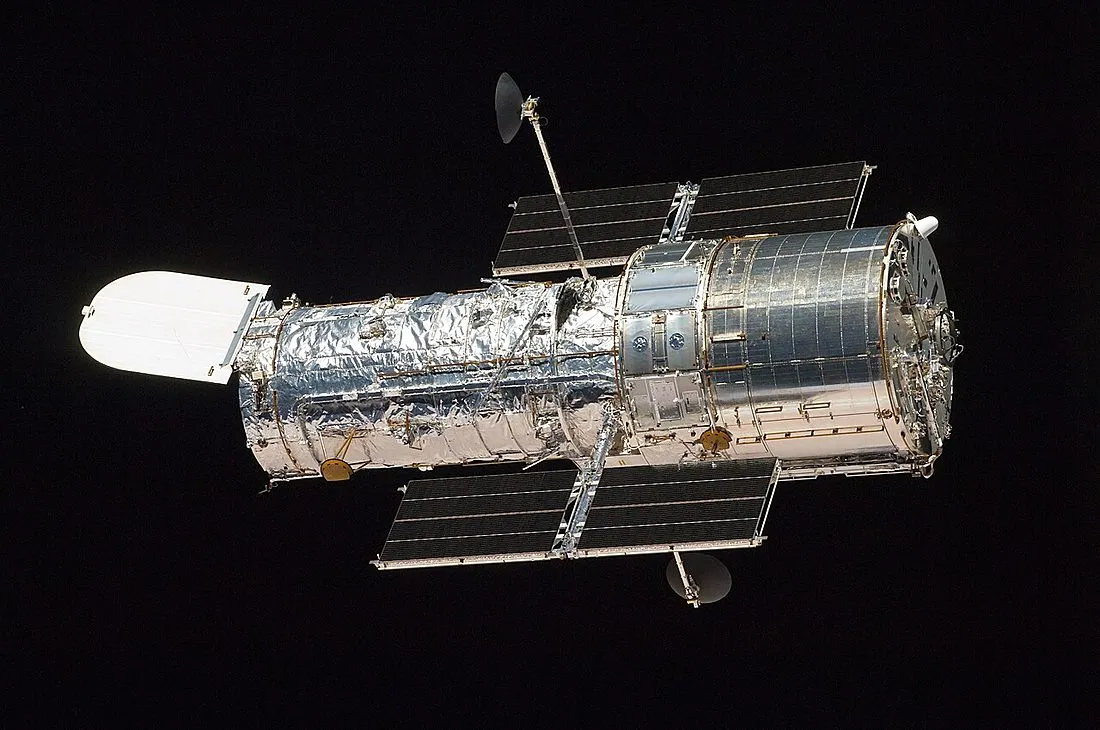
Hubble first captured its light in the late 1990s and showed aluminium, titanium and nickel, metals that don't belong in a white dwarf's atmosphere 18. A study published October 5 in Nature Astronomy used Hubble's updated instruments and other observatories' data to find more: zinc, copper, and niobium, which had never turned up in a white dwarf before 18. The team's reading is that these elements came from the red giant's death throes, clumped into a "second-generation" planet, and are now raining back onto the star as stellar winds strip that planet's atmosphere 18. Follow-up observations caught a recurring dip in the star's brightness, consistent with something crossing in front of it every 4.4 Earth days. From the transit duration, the researchers estimate the planet is about the size of Jupiter 18. The star is giving itself away by eating its planet's atmosphere.