


The daily brief · November 22, 2026

RAS cancers finally yield to drugs, and a star swallows its neighbor

Today the stubborn things gave way a little: tumors once called undruggable, a cliff that hid 3,000 years of hunts, and a humpback that handed over its genome with one exhale.

  • 7 Discoveries
  • 146 Articles read
  • 29 Sources
  • 10 Min read

Today’s discoveries

Everything this morning found, in the order we would read it.

7 stories
  1. 01 Life Sciences Two drugs go after the RAS mutation, a cancer switch no one could grab At the EORTC-NCI-AACR symposium in Barcelona, two teams reported results from drugs aimed at RAS, a gene mutation that acts like a switch stuck in the "on" position. Source: Medical Xpress 1 min read
  2. 02 Life Sciences A 3-year-old's liver cancer vanished after two doses of engineered T cells When a Houston boy was diagnosed with hepatoblastoma, the liver mass measured 11.2 by 9.6 by 7.1 centimeters, and the cancer had spread to his lungs, with signs it had reached bone. Source: ScienceAlert 1 min read
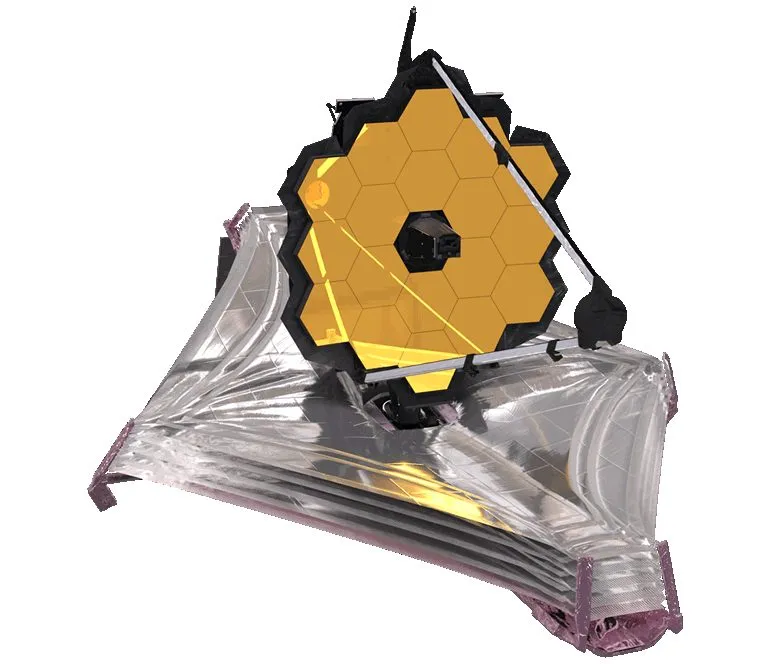
  3. 03 Natural Sci. A giant star swallowed its companion, and Webb arrived 47 days later In the Andromeda galaxy, a star slightly less massive than our Sun spiraled into a swollen supergiant 18,000 times brighter than the Sun, and the two became one. Source: ScienceDaily 1 min read
  4. 04 Natural Sci. A cliff in Texas shows 3,000 years of bison hunts Bison bones began eroding out of a bone bed beneath a roughly 65-foot (20-meter) cliff spur in Caprock Canyons State Park, in the Texas Panhandle. Source: Live Science 1 min read
  5. 05 Good News A drone caught a humpback's breath and read the whole genome Researchers from the University of St. Source: Good News Network 1 min read
  6. 06 Natural Sci. Cockroaches work the night shift pollinating an Amazon shrub Around 5:45 p.m., the flowers of Mabea uleana, a shrub growing in white-sand patches near Manaus, Brazil, open and nectar starts trickling down the flower clusters. Source: ScienceAlert 1 min read
  7. 07 Plant-Based Colorado's wildlife overpass cut collisions 91% in 10 months The overpass crosses a stretch of Interstate 25 where more than 100,000 vehicles a day pass through nearly 40,000 acres of divided wildlife habitat. Source: Plant Based News 1 min read

The feel-good story of the day

a teenager cooking in a kitchen NASA (via rawpixel)
Pictured a teenager cooking in a kitchen

A boy learned to cook so his mother could rest

Joey Charney was in fifth grade when his parents told the children that his mother, Jennifer, had stage 3 breast cancer. The family celebrated when she was declared cancer-free in 2017. In 2019 the cancer came back as stage 4. As her health declined, even everyday tasks got hard for a mother of eight, so Joey, the youngest son, took over dinner.

He had no training. His teacher was his mom, who called out instructions from her bed, answered his questions and let him know when something was burning. He learned to plan meals, write grocery lists, pick side dishes and cook something different each night. Jennifer died in August after a 10-year fight. "I can't get her Parmesan chicken the same way," Joey said.

He kept cooking and began posting videos of the meals. Today "Chef Joey" has more than 2 million followers, many of whom send recipes and the sort of advice his mother used to give. His family is about to have its first Thanksgiving without her, and her lessons are in the kitchen.

Today’s complete edition

The discoveries, in full

Read the evidence, what it changes, and the reporting behind each of today’s 7 discoveries.

01/07 Life Sciences

Two drugs go after the RAS mutation, a cancer switch no one could grab

At the EORTC-NCI-AACR symposium in Barcelona, two teams reported results from drugs aimed at RAS, a gene mutation that acts like a switch stuck in the "on" position. Until recently, designing a drug that could grip it was not thought possible.
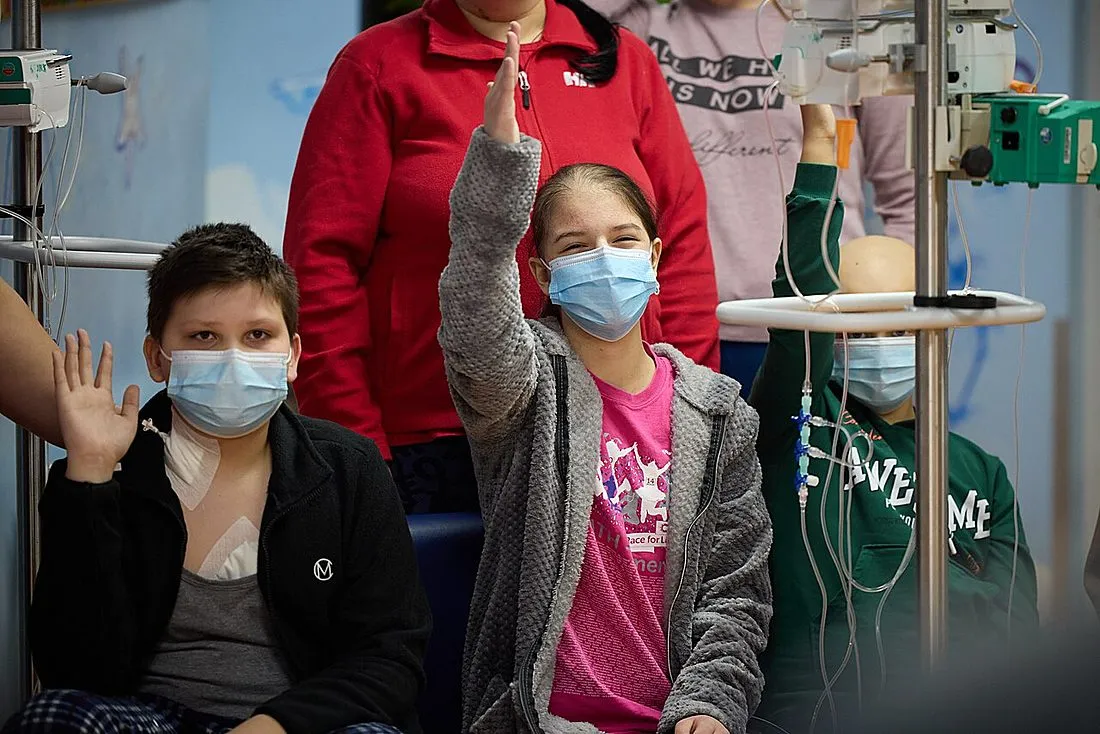
a cancer doctor talking with a patient
Pictured a cancer doctor talking with a patient · President Of Ukraine (Wikimedia Commons)

In the AURORAS-1 phase I trial of ERAS-0015, a "pan-RAS molecular glue," 148 patients were enrolled, and the response figures covered 83 with pancreatic cancer and 37 with lung cancer who had already tried other treatments. Tumors shrank considerably in 44% of the pancreatic patients and 60% of the lung patients, with few severe side effects 34. In the second trial, 61 people with metastatic pancreatic cancer who had not yet been treated got daraxonrasib plus chemotherapy. Tumors shrank or disappeared in 60.7%, and 8.2% had no detectable tumor. Tumors stopped growing in 90.2%, and the median time before they returned was 12.8 months 45.

02/07 Life Sciences

A 3-year-old's liver cancer vanished after two doses of engineered T cells

When a Houston boy was diagnosed with hepatoblastoma, the liver mass measured 11.2 by 9.6 by 7.1 centimeters, and the cancer had spread to his lungs, with signs it had reached bone.

a doctor with a young child in a hospital
Pictured a doctor with a young child in a hospital · Shixart1985 (Wikimedia Commons)

Three rounds of chemotherapy, surgery on the liver and two lung operations did not hold it; a new lung tumor appeared. He then joined the CARE trial, receiving two infusions of GPC3-CAR T cells made from his own immune cells. They were engineered to recognize glypican-3, a protein abundant in liver cancers, and to carry genes for interleukin-15 and interleukin-21 to help them last longer 20. After the first infusion, scans showed a partial response. Eight weeks later he got the second dose, and follow-up scans showed no remaining disease apart from scarring. At 12 months he was still disease-free 20. Pediatric oncologist David Steffin of Baylor College of Medicine said the response came entirely in the outpatient setting without systemic toxicity 20.

03/07 Natural Sci.

A giant star swallowed its companion, and Webb arrived 47 days later

In the Andromeda galaxy, a star slightly less massive than our Sun spiraled into a swollen supergiant 18,000 times brighter than the Sun, and the two became one. The pair had orbited each other peacefully for thousands of years.

James Webb Space Telescope
Pictured James Webb Space Telescope · Wikimedia Commons / James Webb Space Telescope

Then the smaller star began brushing the supergiant's outer atmosphere, and the "unification" took just seven more orbits, about seven years 3. Earlier mergers of smaller stars needed thousands of orbits 3. Astronomers noticed something odd in 2023, and in 2025 the system erupted. Its brightness began climbing and peaked within a week 3. NASA's James Webb Space Telescope observed it only 47 days after the peak, the earliest follow-up of such an event, according to first author Viraj Karambelkar, whose paper is in Nature 3. The team nicknamed the result Bao, and says it may be "rejuvenated" by the meal 3.

04/07 Natural Sci.

A cliff in Texas shows 3,000 years of bison hunts

Bison bones began eroding out of a bone bed beneath a roughly 65-foot (20-meter) cliff spur in Caprock Canyons State Park, in the Texas Panhandle. Archaeologists found chipped stone tools, a few arrowheads and cut marks from butchery.

American bison in grassland
Pictured American bison in grassland · rijksmuseum (via rawpixel)

The site sits between two cliffs, so the only way bison could arrive was by falling from above 9. Radiocarbon dates show at least seven mass kills at the site, called Nighthawk, between roughly 1550 B.C. and A.D. 1550 9. One event, Kill 3, left most of the bones and probably happened around A.D. 300 to 400 9. Only one jump site had ever been found in the southern Plains, and the researchers wrote that Nighthawk may have worked less like a stampede and more like "walking the plank" 9. The study is in American Antiquity 9.

05/07 Good News

A drone caught a humpback's breath and read the whole genome

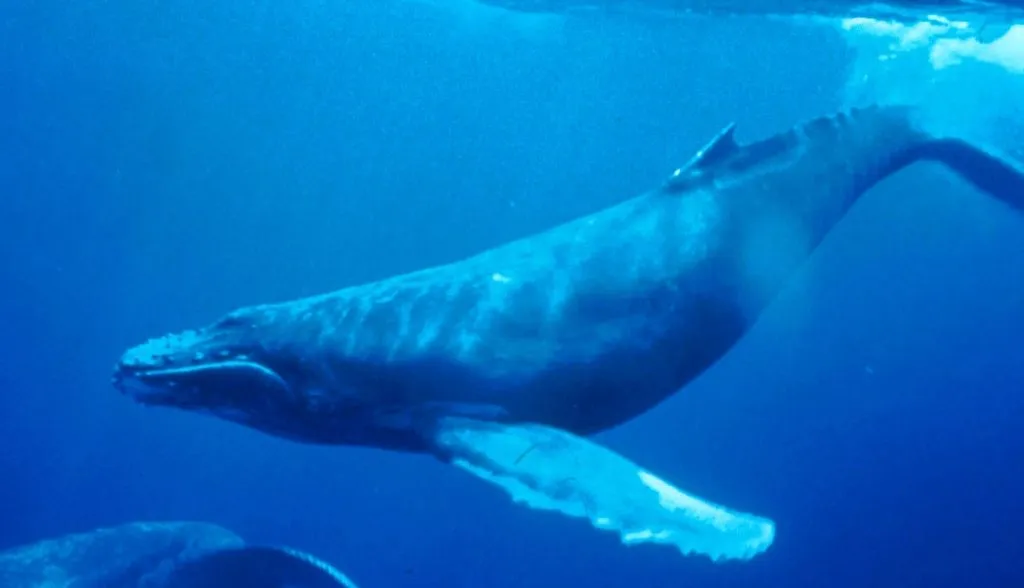
Researchers from the University of St. Andrews and an international team strapped sterile petri dishes to a small drone and flew it through the exhaled breath of humpbacks in the Kitimat Fjord System in northern British Columbia.

a humpback whale
Pictured a humpback whale · Unknown (via rawpixel)

They collected 58 blow samples from 26 whales, and about 84% of the DNA in each blow came from the whale itself 128. Repeat samples from the same animals, across encounters and two years, gave matching genomes 128. More than a third of samples needed no boat, only a drone launched from land 128. Genetic diversity estimated from blow was very similar to estimates from traditional biopsies. Every whale's sex was correctly determined, and the team found three previously undescribed mitochondrial DNA variants 128.

06/07 Natural Sci.

Cockroaches work the night shift pollinating an Amazon shrub

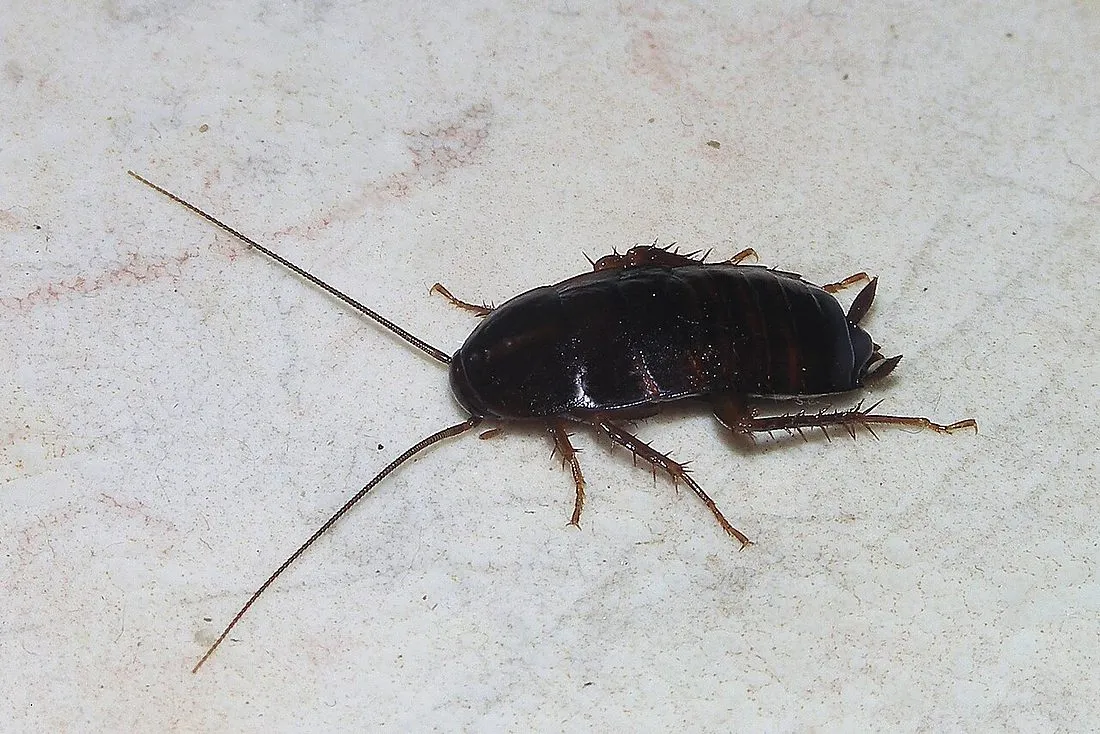
Around 5:45 p.m., the flowers of Mabea uleana, a shrub growing in white-sand patches near Manaus, Brazil, open and nectar starts trickling down the flower clusters. By seven, cockroaches arrive.

a cockroach
Pictured a cockroach · Alvesgaspar (Wikimedia Commons)

Across 252 hours of watching six shrubs between June 2024 and January 2025, split evenly between day and night, the researchers recorded no bat visits, though related species rely on bats. They found no nectar between 9 a.m. and 5 p.m. 19. Each cluster has one or two female flowers above more than 200 tiny male flowers. A cockroach brushes the females on the way down, picks up sticky pollen on its legs and belly, and touches the females again on the way out 19. In a separate experiment, about 93% of flowers given pollen from another shrub formed fruit, far above the comparison group 19. The work is in the Brazilian Journal of Botany, and it is the first to look at how this shrub is pollinated 19.

07/07 Plant-Based

Colorado's wildlife overpass cut collisions 91% in 10 months

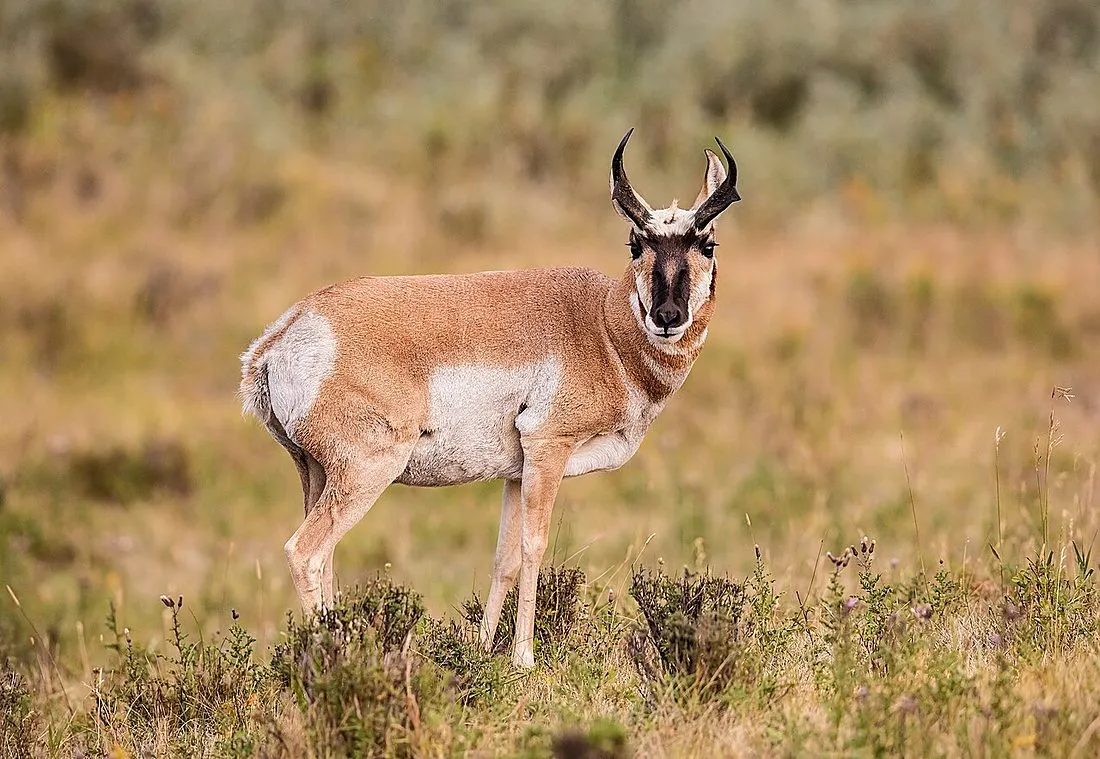
The overpass crosses a stretch of Interstate 25 where more than 100,000 vehicles a day pass through nearly 40,000 acres of divided wildlife habitat. In spring and fall that stretch averaged one animal collision per day 118.

pronghorn antelope on a prairie
Pictured pronghorn antelope on a prairie · Thomas Wolf, www.foto-tw.de (Wikimedia Commons)

At 200 feet wide and 209 feet long, it is the largest of its kind in North America, and the Colorado Department of Transportation completed it in December 2025 as the last piece of a network of five underpasses plus miles of high fencing 118. In 10 months, collisions fell 91% 118. Bears, elk, pronghorn and rabbits have used it, along with the rare northern leopard frog. Pronghorn that spent decades looking for a crossing are now on video coming over to the west side 118.

Quick notes

Shorter discoveries from this morning, worth knowing but not a full story.

First Human Trial to Slash Bad Cholesterol by 50% With One Injection of CRISPR Gene-Editing Therapy In 15 patients, one infusion of CTX310 lowered LDL cholesterol 52.5% and triglycerides 47.8% at the highest dose a year later, with no serious related safety events, and 15 years of follow-up are planned 130. Good News Network
Who was buried in Westminster Abbey's Roman coffin? A 150-year mystery may be solved A Roman sarcophagus excavated in 1869 likely held a medieval abbot, most probably Aelfwig, who died around 1020, with Wulnoth as the other candidate, and the monks reused a valuable coffin instead of commissioning a new one 5. ScienceDaily
Fermi's 14-year all-sky map bridges astronomy's elusive 'MeV gap' Fermi's telescope can place a single 20 MeV photon only within a patch of sky more than 40 times the full moon's width, yet 14 years of data and statistics pinned down 450 sources 16. Phys.org
BepiColombo finally reaches Mercury after eight-year odyssey The European and Japanese craft, launched in October 2018, is now in orbit around Mercury, and the ESA probe settles into its final 400 to 1,500 km orbit by March 2027 15. Nature
Patients give dental implants high marks after 40 years Thirteen Swedish patients with implants placed in the 1980s rated function 96 out of 100, though the group is small and the older implant systems differ from today's 43. Medical Xpress
Giving patients a greater voice in their diabetes care Yale's 14 conversation cards let patients pick up to three topics before a visit, and the cards prompted more talk about the daily burden of managing diabetes 31. Medical Xpress
A 50-year-old theory about evolution may have been wrong all along The largest collection of spontaneous mutations yet found no sign that essential genes in E. coli and yeast mutate less often, and earlier studies were likely misled by harmful mutations removed before anyone could count them 7. ScienceDaily
From screens in class to smart glasses, Norway rethinks new technologies After scoring below the OECD average in reading, math and science for the first time all at once since 2006, Norway is bringing back printed textbooks and Oslo has dropped its one-device-per-pupil rule 17. Phys.org
'I Left a US Tech Career To Turn My Father's Surplus Amla Into 25+ Products for 4000 Customers' Kalaiselvi turned a surplus harvest from about 25 amla trees in Tamil Nadu into a business, and processing now uses nearly 60% of the farm's suitable surplus 134. The Better India
The Secrets Hiding in a Duck-Billed Dinosaur's Beak Micro-CT scans of a specimen named Antonio showed that what looked like spikes were the bony footprint of a nerve-rich keratin beak, not teeth 144. Nautilus
Heart rhythm data reveal early signs of heart disease before conventional measures In mice with one copy of a heart-disease gene mutation, beat-to-beat patterns already differed before any clear impairment appeared, which is a mouse result and not yet a clinical test 46. Medical Xpress
New structures come into view in brain wiring maps A faster electron tomography method used about 50 times fewer images on tissue about 20 times thicker and caught electrical synapses that connectomes can miss 27. Medical Xpress
Upskilling health professionals to deliver emotional well-being support for people with diabetes Up to one in two people with diabetes face emotional strain, and diabetes educators, nurses and dietitians in Australia can now train in LISTEN, a low-intensity program shown to reduce diabetes distress 32. Medical Xpress

Our process. Your trust.

Every discovery above traces back to an article we read in full. This is the whole corpus behind this morning, and what it was made of.

  • 29 Sources scanned
  • 146 Articles read
  • 8 Fields covered
  • 7 Discoveries

The sources that carried this morning

  1. 1 Medical Xpress 20 articles
  2. 2 Psychology Today: The Latest 20 articles
  3. 3 Interesting Engineering 10 articles
  4. 4 PsyPost Psychology News 9 articles
  5. 5 Futurism 9 articles
  6. 6 Latest Science News -- ScienceDaily 8 articles
  7. 7 ScienceAlert 8 articles
  8. 8 One Green Planet 7 articles
How an edition is made

Everything we read today

Natural Sciences 26 articles
Life Sciences & Medicine 21 articles
Medical Xpress - latest medical and health news stories
Psychology & Behavioral Science 29 articles
Social Sciences 7 articles
Technology & Innovation 27 articles
Plant-Based & Vegan 17 articles
Solutions & Good News 15 articles
Human Stories & Ideas 4 articles
The long view · not today’s news, the story behind it

Today’s discoveries didn’t come from nowhere. Here’s the older, ongoing story they belong to, a moment from this day in history, and a question to test what stuck.

Where the story stands

On this day in science

1935 The first airmail flight across the Pacific A flying boat called the China Clipper lifted off from San Francisco Bay and set out across the Pacific with a load of mail, the first scheduled air service to span that ocean. A crossing that took weeks by ship now took days. It stitched America to Asia by air for the first time. More from the Almanac →

Before you go: today’s quiz

The daily quiz

By how much have wild polio cases fallen since 1988?

Reveal the answer

Over 99 percent

The WHO reports wild poliovirus cases have fallen by over 99 percent since 1988, from an estimated 350,000 a year to a handful, in just two countries.

See the Lifesaver →

Previous editions

Every morning we have published, newest first. Nothing expires.

View the full archive

Get this every morning.

Liked today’s? Tomorrow’s reaches your inbox before breakfast.

  • One email each morning, never more
  • The day’s real discoveries across 8 fields
  • One calm read with your coffee

Free from tomorrow morning, for good.

Same letter. Your $5 a month keeps it free for everyone else.

Any amount, charged once.