




The daily brief · November 19, 2026

Voyager 1 hits one light-day, and a 20-year drug bet pays off

Patience paid out today: a spacecraft launched in 1977, a drug trial begun in 2006 and a whaling ban from 1964 all delivered good news this week.

  • 7 Discoveries
  • 301 Articles read
  • 51 Sources
  • 10 Min read

Today’s discoveries

Everything this morning found, in the order we would read it.

7 stories
  1. 01 Natural Sci. Voyager 1 is now a full day away at the speed of light On Nov. Source: ScienceAlert 1 min read
  2. 02 Life Sciences The first FDA-approved drug for infants with Niemann-Pick Type C The FDA approved cyclodextrin (brand name Adrabetadex) on Nov. Source: NIH News Releases 1 min read
  3. 03 Natural Sci. An immune system reset ended three autoimmune diseases at once A 47-year-old woman in Germany had autoimmune hemolytic anemia, antiphospholipid syndrome and immune thrombocytopenia. Source: ScienceAlert 1 min read
  4. 04 Natural Sci. Homo erectus was still in southern China 184,000 years ago Two caves in Guangxi province, Baxian and Naxian, about 15 kilometers apart, held more than 18,000 fossils that porcupines had scavenged and hauled in. Source: Latest from Live Science 1 min read
  5. 05 Natural Sci. Strict school phone bans are nudging test scores up US test scores have been falling by about two-hundredths of a standard deviation a year since 2013, a trend the Harvard Graduate School of Education's Center for Education Policy… Source: Phys.org - latest science and technology news stories 1 min read
  6. 06 Plant-Based Cultivated chicken is now a $12 to $19 restaurant order Upside Foods' cultivated chicken is on menus at eight California restaurants, plus corporate and college dining programs including Stanford Dining. Source: VegNews.com 1 min read
  7. 07 Good News Antarctic blue whales are back to about 4,000 Antarctic blue whales have grown from 418 animals in 1973 to 4,018, about 4.5% a year, nearly tenfold. Source: Good News Network 1 min read

The feel-good story of the day

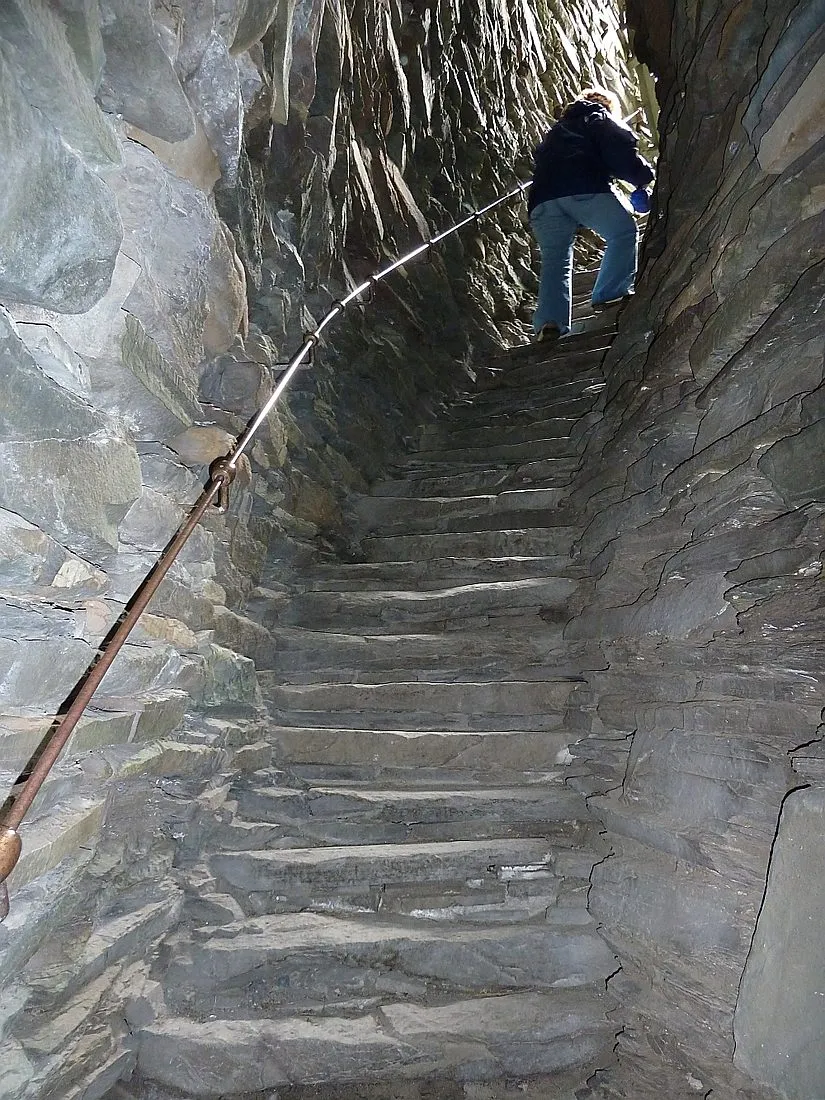
a stone staircase climbing a mountainside in China Rob Farrow (Wikimedia Commons)
Pictured a stone staircase climbing a mountainside in China

Siblings build 430 steps so their mother can go home to the mountain

Huang Zhulian is 58 and grew up on a mountain in eastern China's Zhejiang Province. After her father died, the family moved her mother into town, where she rotated between her sons' homes and never took to city life. Each April she still had to go back for Qingming, the festival when families clean ancestral graves, and the old path down was overgrown and home to snakes.

So Huang decided it was the family's turn. She planned the route, bought the materials and acted as foreman. Her mother put in 50,000 RMB (about $7,500) from her own savings. Two brothers and two cousins carried stones and mixed cement. A sister and brother-in-law cooked and minded the tools, and a nephew and niece cleared rubble. Her son used a heavy-lift drone to move stones. Between August and October they built a 430-step route, parts of it fastened to a sheer cliff.

Huang lost over six pounds, got a tan and lost a lot of hair, and says she has no regrets. Herb gatherers, hikers and neighbors already use the path. Her family put it this way: "When we were young, our mother held our hands as we went down the mountain to see the outside world. Now that our mother is old, we've built the road."

Today’s complete edition

The discoveries, in full

Read the evidence, what it changes, and the reporting behind each of today’s 7 discoveries.

01/07 Natural Sci. Social Sci. Technology

Voyager 1 is now a full day away at the speed of light

On Nov. 18, Voyager 1 became the first human-made object to sit one light-day from Earth: about 25.9 billion kilometers (16.1 billion miles) out 83.
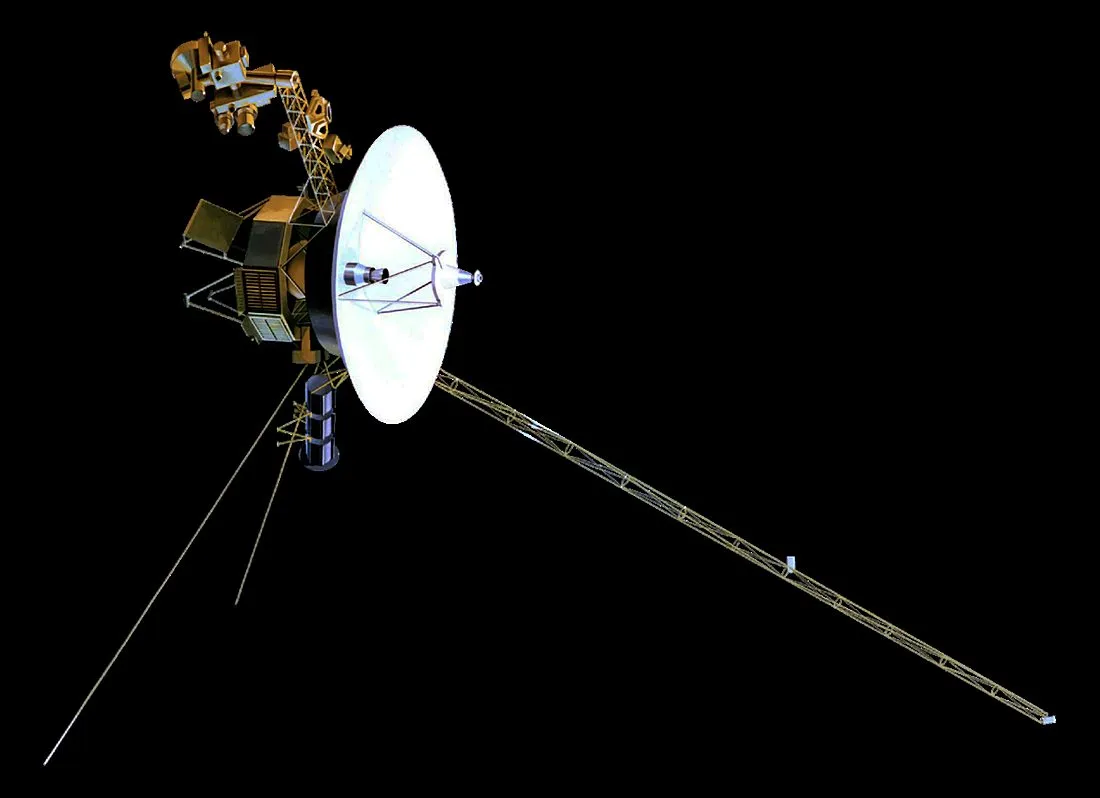
Voyager 1
Pictured Voyager 1 · Wikimedia Commons / Voyager 1

A radio signal traveling at light speed now needs a full 24 hours to cross that gap, in either direction 11. Earth's orbit swings it nearer and farther through the year, but the probe is moving outward fast enough that Earth's swing back toward it will never close the gap again, so the crossing is permanent 83. The spacecraft launched on Sept. 5, 1977, and has been in interstellar space since 2012 196. Two of its science instruments are still collecting data and are expected to stay powered into the 2030s 11.

What each field noticed (3)
02/07 Life Sciences

The first FDA-approved drug for infants with Niemann-Pick Type C

The FDA approved cyclodextrin (brand name Adrabetadex) on Nov. 17, 2026, for infants with Niemann-Pick Type C, a rare and rapidly fatal neurodegenerative disease of childhood 90.

a pediatric nurse holding a baby's hand
Pictured a pediatric nurse holding a baby's hand · Unknown (via rawpixel)

NIH researchers and Beren Therapeutics developed it, and it extended survival in a large international trial 90. The drug's path began as a natural history trial in 2006, in which NIH researchers simply followed people with the disease over time. An early-phase trial at the NIH Clinical Center came next 90. The disease comes from a mutation in the NPC1 gene. Without the protein it makes, lipids and cholesterol pile up inside cells, and children lose developmental milestones before declining the way dementia patients do 90.

03/07 Natural Sci.

An immune system reset ended three autoimmune diseases at once

A 47-year-old woman in Germany had autoimmune hemolytic anemia, antiphospholipid syndrome and immune thrombocytopenia. She needed blood transfusions every day and regular blood thinners, and nine earlier treatments had not held for long 81.

a nurse with a patient in a hospital room
Pictured a nurse with a patient in a hospital room · Direct Media (via stocksnap)

Doctors gave her CAR T-cell therapy, in which her own immune cells are pulled out, reprogrammed to hunt one target and put back 81. Her symptoms improved within weeks. Almost a year later she needs no transfusions 81. The problem seemed to trace back to her B cells, the antibody producers, which had gone haywire and were sending the rest of her immune system after healthy blood cells 81. "The treatment was extremely efficient in getting rid of all three autoimmune conditions at once," said hematologist Fabian Müller 81.

04/07 Natural Sci.

Homo erectus was still in southern China 184,000 years ago

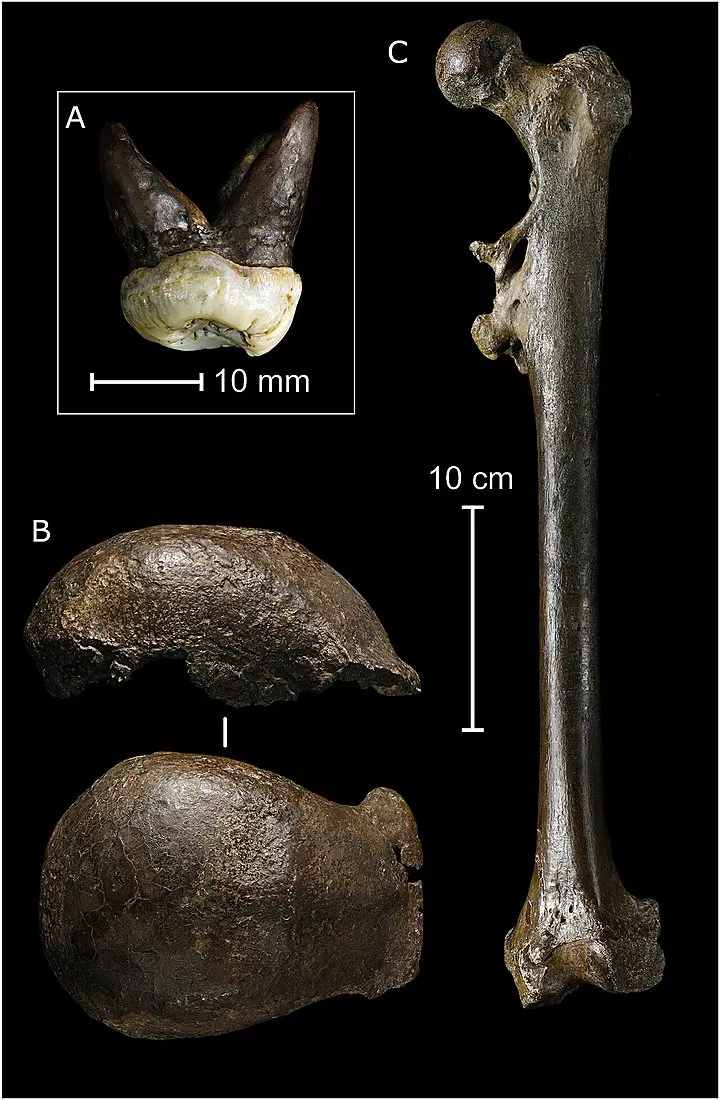
Two caves in Guangxi province, Baxian and Naxian, about 15 kilometers apart, held more than 18,000 fossils that porcupines had scavenged and hauled in. Among them were nine human teeth 13.

Homo erectus
Pictured Homo erectus · Wikimedia Commons / Homo erectus

Uranium decay and other dating methods place the fossils at about 324,000 to 184,000 years old 13. Eight teeth look like Homo erectus. The ninth matches none of H. erectus, Neanderthals or modern humans 13. Proteins, which survive better than DNA, were read from five of the teeth. Four gave a signature matching earlier H. erectus finds, and the odd tooth did not 13. The last physical evidence of H. erectus on the Asian mainland had been 400,000 years old 13.

05/07 Natural Sci.

Strict school phone bans are nudging test scores up

US test scores have been falling by about two-hundredths of a standard deviation a year since 2013, a trend the Harvard Graduate School of Education's Center for Education Policy Research (CEPR) calls a "slow leak" 70.

students in a classroom
Pictured students in a classroom · Snufkin (via stocksnap)

Its States Leading States Initiative studied state-by-state in-school bans as a natural experiment run in reverse. After a ban, the gain in achievement growth was about 0.01 standard deviations, equal to between a week and two weeks of extra instruction over a year 70. Faculty director Thomas Kane said he once thought the likeliest cause of the decline was weaker test-based accountability, before the international spread of the pattern changed his mind about where to look 70.

06/07 Plant-Based

Cultivated chicken is now a $12 to $19 restaurant order

Upside Foods' cultivated chicken is on menus at eight California restaurants, plus corporate and college dining programs including Stanford Dining 248. Prices run from less than $20 for Korean popcorn chicken at Chimmelier in Los Angeles, to $12 for Southern fried chicken at Epic Steak in San Francisco, to under $15 for a barbecue chicken sandwich at Mersea on Treasure Island 248.

Cultivated chicken is now a $12 to $19 restaurant order
Foodie Girl (via stocksnap)

In 2017 one pound cost around $9,000 to make, and the 2013 lab-grown burger had cost $330,000 248. New 20,000-liter cultivator tanks give Upside capacity for more than 1 million pounds a year, which the company says needs only half an acre of land 248.

07/07 Good News

Antarctic blue whales are back to about 4,000

Antarctic blue whales have grown from 418 animals in 1973 to 4,018, about 4.5% a year, nearly tenfold 257. The International Whaling Commission banned killing them in 1964, but illegal whaling lasted until 1973 257.

blue whale
Pictured blue whale · Unknown (via rawpixel)

Zoe Rand, a postdoctoral scholar at the University of Washington, combined historical catch data, modern photo-identification records and decades of line-transect surveys. Boats sailed straight lines across the Southern Ocean and counted whales and their distance from the ship, in 1978-84, 1985-91 and 1991-2004 257. Counting is hard because the whales spend most of their time underwater, even though a satellite can spot one at the surface 257.

Quick notes

Shorter discoveries from this morning, worth knowing but not a full story.

A rare disease reveals a hidden flaw in the immune system For 30 years the rare inflammatory disorder mevalonate kinase deficiency was blamed on macrophages; Garvan Institute researchers found natural killer cells failing to mature, and a JAK inhibitor already on the market may help the roughly half of patients current drugs miss, with one severely affected infant showing substantial improvement 2. Latest Science News -- ScienceDaily
Archaeology students find Roman treasures on first excavation On the first day of her first dig, student Elise Zallu uncovered a 7 cm length of Roman gold chain at Redesdale, Northumberland, so well preserved that it could be worn today, a find some archaeologists wait a whole career for 73. Phys.org - latest science and technology news stories
Scientists ‘Cure’ Deadly Brain Tumors in Every Mouse Tested with New Cancer Therapy UCSF's B-SYNC CAR-T cells switch on only inside the brain and cleared diffuse midline glioma in the mice and blocked tumors from returning, with human trials possibly starting as early as April 2027 258. Good News Network
Bans cut two forever chemicals by 30 percent in England’s rivers Over 10 years, PFOS fell 30% and PFOA 29% in English river water, and levels in freshwater fish dropped 49%, though the Environment Agency cautions that the total amount in the environment has probably not changed much 272. The Optimist Daily: Making Solutions the News
Tiny magnets deep inside the brain could transform Parkinson’s treatment Magnetic nanoplatelets injected into the brain and switched on by an outside magnetic field improved Parkinson's-like movement problems in mice without permanent electrodes; it is mouse work for now 9. Latest Science News -- ScienceDaily
Nose drops could boost learning and memory in Alzheimer's patients University of Sydney researchers delivered mRNA for the growth factor BDNF through the nose, and 18-month-old mice then performed like young ones on memory tests, though it has not been tested in people 228. New Atlas: Technology-Innovation-Outdoor News
NASA pushes Mars helicopter blades beyond the speed of sound In 137 test runs in a chamber mimicking Mars, rotor tips passed the speed of sound without breaking, which could add 30% lift for a helicopter flying in an atmosphere only about 1% as dense as Earth's 3. Latest Science News -- ScienceDaily
Dreams of birds Physicist Gabriel Mindlin compared today's rufous-collared sparrow songs with ones transcribed by hand in the 1960s, then built robotic tutors to teach the vanished tunes back to wild birds 284. Aeon | a world of ideas
Social support networks of older adults before, during and after the COVID-19 pandemic In Slovenia the share of older adults with no informal support jumped from about 1% in 2002 to 7.8% in 2020, then fell back to 4.4% by 2025, though men remain more likely to be isolated 41. PLOS One
The surprising science of awe — and what it reveals about consciousness In a six-week diary study of 200 people in the UK, how strongly awe struck mattered more for meaning and wellbeing than how often it happened 290. Big Think
Widespread deciduousness reveals diverse Amazonian phenological strategies Satellite data show that across 70.0% of the Amazon, trees shed leaves at least three months before flushing new ones, and building that into carbon models improved their match to satellite data across 79.9% of the basin 36. Nature
Scientists Use AI-Designed CRISPR to Make Disease-Resistant Rice A freely available AI-designed editor, OpenCRISPR-1, shut down the genes a blight bacterium needs with 90% efficiency or higher, and the edits passed to the next generation of a crop that blight can cut by up to 50% 229. SingularityHub
2 Friends Saw Value in the Straw That Farmers Burn. Today, Their Business Makes Rs 8 Crore in Sales Sanjana and Sonika turn Haryana paddy straw into biofuel pellets for power plants, using 1 to 1.5 lakh quintals of stubble a year and employing over 20 people 269. The Better India : Latest Posts

Our process. Your trust.

Every discovery above traces back to an article we read in full. This is the whole corpus behind this morning, and what it was made of.

  • 51 Sources scanned
  • 301 Articles read
  • 8 Fields covered
  • 7 Discoveries

The sources that carried this morning

  1. 1 Nature 20 articles
  2. 2 PLOS One 20 articles
  3. 3 Psychology Today: The Latest 20 articles
  4. 4 Pew Research Center 20 articles
  5. 5 Ars Technica 16 articles
  6. 6 Phys.org 14 articles
  7. 7 STAT 12 articles
  8. 8 The Conversation Articles 12 articles
How an edition is made

Everything we read today

Natural Sciences 89 articles
PLOS One
Life Sciences & Medicine 23 articles
Psychology & Behavioral Science 29 articles
Psyche | Know Your Self
Social Sciences 40 articles
Technology & Innovation 48 articles
Plant-Based & Vegan 24 articles
Solutions & Good News 30 articles
Human Stories & Ideas 18 articles
The long view · not today’s news, the story behind it

Today’s discoveries didn’t come from nowhere. Here’s the older, ongoing story they belong to, a moment from this day in history, and a question to test what stuck.

Where the story stands

On this day in science

1969 Apollo 12 makes a pinpoint landing on the Moon Pete Conrad and Alan Bean guided their lunar module down in the Ocean of Storms, setting down within walking distance of a robotic probe that had landed two years earlier. The accuracy proved astronauts could reach an exact spot on the Moon, not just somewhere nearby. More from the Almanac →

Before you go: today’s quiz

The daily quiz

The Haber-Bosch process makes fertilizer out of nitrogen in the air. Roughly what share of people does it help feed?

Reveal the answer

About half the world

Synthetic nitrogen fertilizer supports roughly half of the global population, about 48 percent as of 2008. Without it, today's food supply could not feed everyone.

See the Lifesaver →

Previous editions

Every morning we have published, newest first. Nothing expires.

View the full archive

Get this every morning.

Liked today’s? Tomorrow’s reaches your inbox before breakfast.

  • One email each morning, never more
  • The day’s real discoveries across 8 fields
  • One calm read with your coffee

Free from tomorrow morning, for good.

Same letter. Your $5 a month keeps it free for everyone else.

Any amount, charged once.