
The daily brief · November 26, 2026

Up close with our asteroid crater, and a frog that eats snails

Today's good news rewards a closer look, whether the thing under inspection is a space rock, an unanswered text or a frog's stomach.

  • 7 Discoveries
  • 266 Articles read
  • 47 Sources
  • 10 Min read

Today’s discoveries

Everything this morning found, in the order we would read it.

7 stories
  1. 01 Natural Sci. The crater we punched into an asteroid, seen up close In September 2022, NASA flew its DART spacecraft into Dimorphos, an asteroid about 151 meters across, to see whether a good hard smack could change its path. Source: ScienceAlert 1 min read
  2. 02 Psychology The person who stopped texting back probably feels worse than you think Sophia Li of the University of California, Berkeley, and Coral Zheng of the University of Cambridge asked adults to recall real online exchanges, imagine texting a casual friend and chat… Source: PsyPost 1 min read
  3. 03 Natural Sci. An HIV vaccine strategy clears a long-sought hurdle in monkeys In the mid-2000s, a young woman in South Africa's KwaZulu-Natal province became infected with HIV and joined a study that tracked her blood for years. Source: Nature 1 min read
  4. 04 Good News Five new horned frogs, and one of them eats snails shell and all After five years of fieldwork in the Eastern Himalayas, researchers from the University of Delhi and Harvard University have identified five previously unknown horned frogs in the Indian… Source: The Better India 1 min read
  5. 05 Natural Sci. A 100,000-year-old tooth that fits no known neighbor Researchers studying four isolated teeth from two caves in southern China's Guangxi region read both their shapes and the proteins preserved in their enamel. Source: Live Science 1 min read
  6. 06 Good News Portland chefs are turning rescued food into proper dinners At Urban Gleaners, a 20-year-old nonprofit in Portland, Oregon, part-time chefs open the fridge, see what has turned up and improvise. Source: Reasons to be Cheerful 1 min read
  7. 07 Natural Sci. A designed protein gets broken insulin receptors working in mice Some rare genetic disorders damage the receptor that lets cells respond to insulin; in one of the most severe, Donohue syndrome, most children die before their first birthday. Source: Live Science 1 min read

The feel-good story of the day

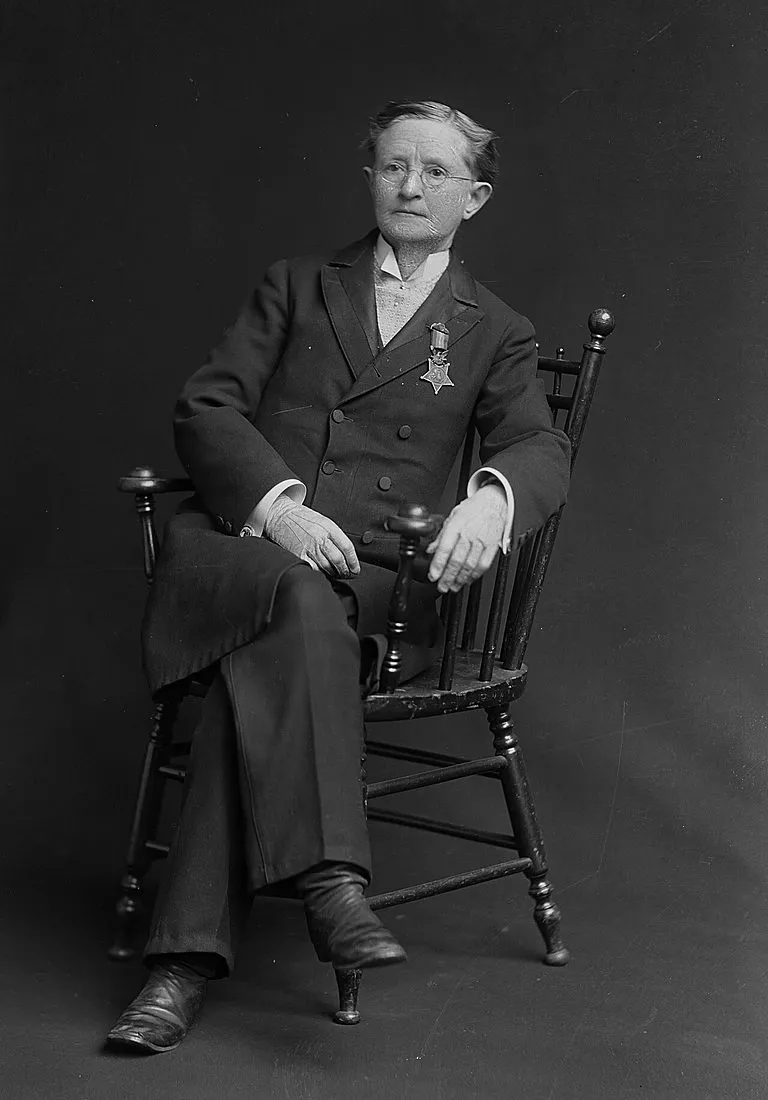
Mary Edwards Walker Wikimedia Commons / Mary Edwards Walker
Pictured Mary Edwards Walker

Born today: the surgeon who wore her medal to the end

Mary Edwards Walker was born on November 26, 1832, in Oswego, New York. She earned a medical degree from Syracuse Medical College in 1855, at a time when very few women could, and she dressed as she saw fit, which often meant trousers.

When the Civil War came, the Army was reluctant to take a woman as a surgeon. She went anyway, volunteering to care for the wounded, and was eventually hired as a contract surgeon. Confederate troops captured her in 1864, and she spent about four months as a prisoner in Richmond. In 1865, President Andrew Johnson awarded her the Medal of Honor.

In 1917, a government review struck her name from the medal's rolls, along with hundreds of others. Walker kept wearing it until her death in 1919. The honor was officially restored in 1977, and she remains the only woman to have received it.

Today’s complete edition

The discoveries, in full

Read the evidence, what it changes, and the reporting behind each of today’s 7 discoveries.

01/07 Natural Sci. Technology

The crater we punched into an asteroid, seen up close

In September 2022, NASA flew its DART spacecraft into Dimorphos, an asteroid about 151 meters across, to see whether a good hard smack could change its path 79. It could.
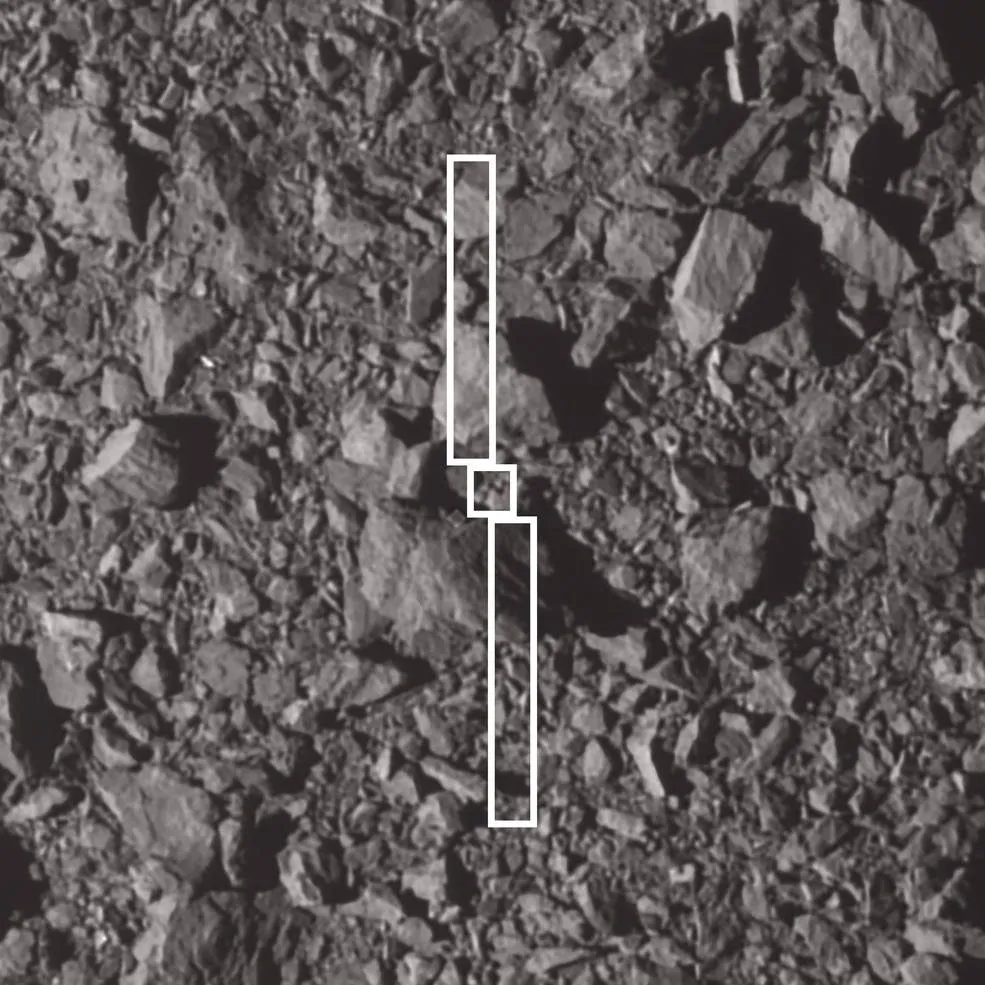
Dimorphos asteroid
Pictured Dimorphos asteroid · NASA/Johns Hopkins APL (Wikimedia Commons)

The hit shortened the rock's orbit around its larger companion by about 33 minutes, when the minimum bar for success was 73 seconds 79. Nobody got a good look at the damage, because DART was destroyed and a huge debris cloud hid the site from the little camera craft that came along 79152. Now the European Space Agency's Hera spacecraft has arrived after a two-year trip, and its first views show a crater the size of a sports stadium stretching across the asteroid's entire width 79152.

What each field noticed (2)
ScienceAlert

First Close-Up Images of Asteroid Struck by NASA Reveal a Giant Crater – And a Swarm of Mysterious Flying Boulders

Dimorphos is a rubble pile, a cluster of rocks held together by very weak gravity, and 2024 simulations had suggested DART might leave no distinct crater at all 79. Hera principal investigator Patrick Michel said scientists had debated whether it cratered, changed shape or stayed the same: "Much to our surprise, the answer turns out to be all three at once!" 79

Read the story
02/07 Psychology

The person who stopped texting back probably feels worse than you think

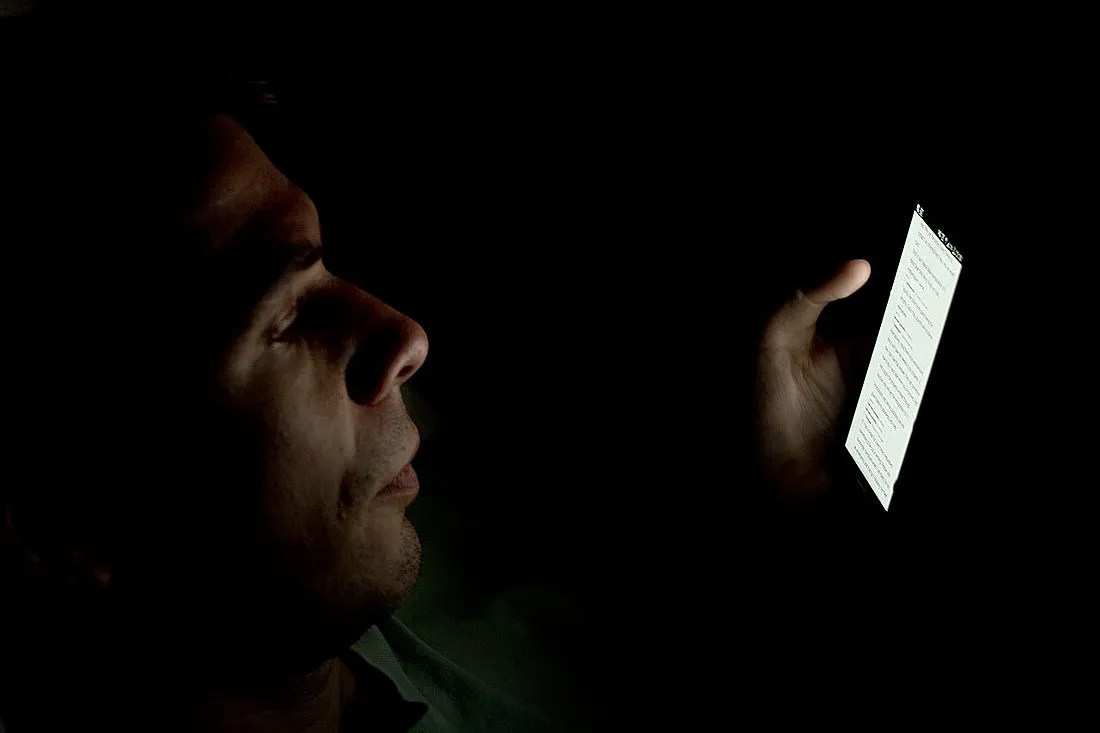
Sophia Li of the University of California, Berkeley, and Coral Zheng of the University of Cambridge asked adults to recall real online exchanges, imagine texting a casual friend and chat live with strangers 108.

a person looking at a smartphone
Pictured a person looking at a smartphone · Japanexperterna.se from Japan (Wikimedia Commons)

In the recalled and imagined conversations, the people who went quiet felt, or expected to feel, worse than those left waiting predicted 108. The gap was widest when the silence was an accident, such as forgetting to reply 108. Then came a small test. When 601 adults imagined a not-very-close friend suddenly going silent, about a third assumed they had been annoying 108. When the friend first sent one line, "Sorry, but I can't talk right now," that fell to about one in five 108.

03/07 Natural Sci.

An HIV vaccine strategy clears a long-sought hurdle in monkeys

In the mid-2000s, a young woman in South Africa's KwaZulu-Natal province became infected with HIV and joined a study that tracked her blood for years 28. She needed drugs to control the virus, yet the antibodies she raised against it are among the strongest ever found; researchers know her as CAP256 28.

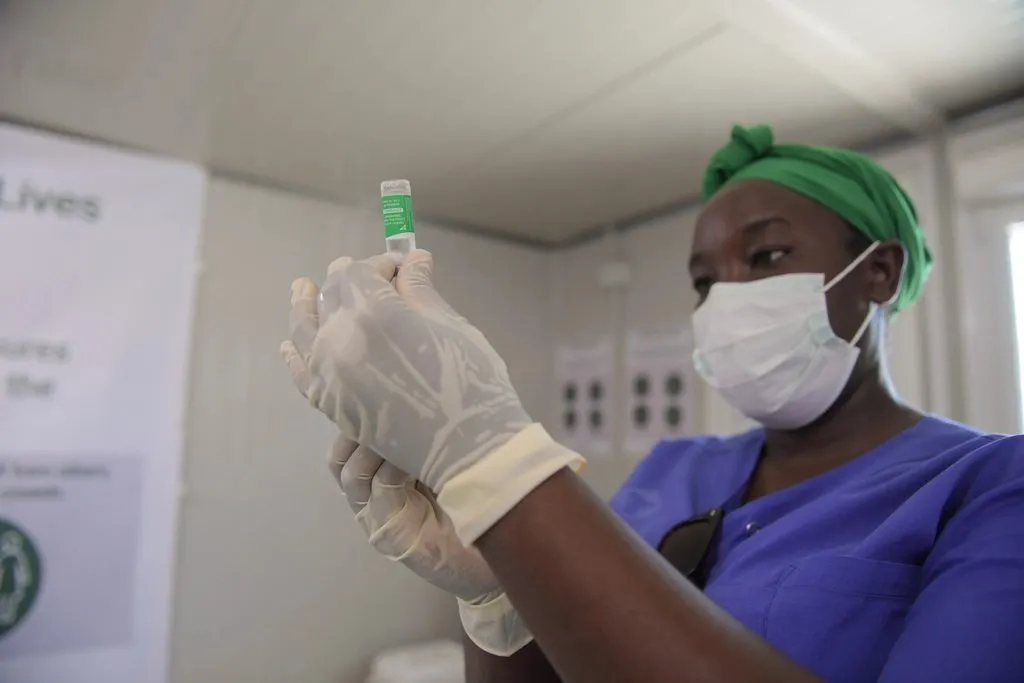
a nurse preparing a vaccine
Pictured a nurse preparing a vaccine · The African Union Mission in Somalia (via rawpixel)

Scientists want to teach other immune systems to do something similar. This year several teams reported vaccination strategies that, in monkeys, triggered broadly neutralizing antibodies, the kind that can block a wide range of HIV strains before infection starts 28. "No one has achieved that before. It's a very important milestone," said virologist Rogier Sanders of Amsterdam University Medical Centre 28.

04/07 Good News

Five new horned frogs, and one of them eats snails shell and all

After five years of fieldwork in the Eastern Himalayas, researchers from the University of Delhi and Harvard University have identified five previously unknown horned frogs in the Indian state of Arunachal Pradesh 229.

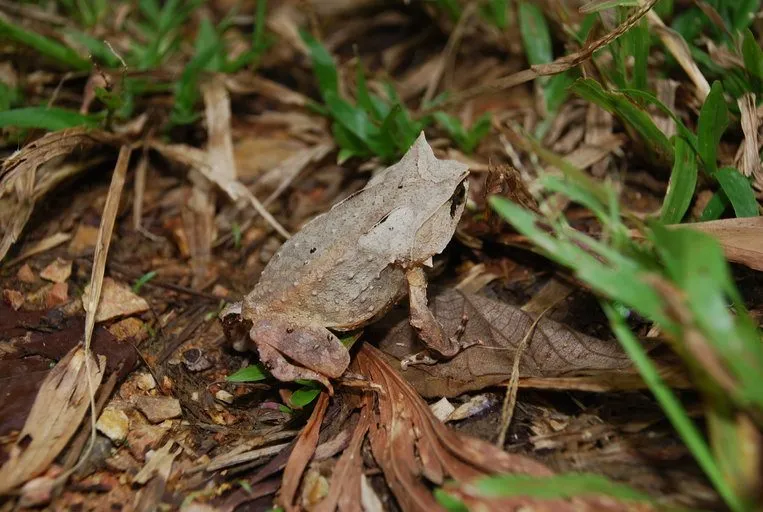
Megophrys horned frog
Pictured Megophrys horned frog · Pierre Fidenci (Wikimedia Commons)

All are small to medium-sized, with little horn-like flaps of skin around the eyes 229. One had a surprise inside. Three-dimensional micro-CT scans revealed entire land snail shells in its gut, making it the first known snail-eating frog recorded in India and the first documented snail eater in its family 229. Its name, Jingophrys tanogogo, draws on the local Apatani word for snails 229.

05/07 Natural Sci.

A 100,000-year-old tooth that fits no known neighbor

Researchers studying four isolated teeth from two caves in southern China's Guangxi region read both their shapes and the proteins preserved in their enamel 17. Teeth from the Longchuandong cave lined up with Denisovans, our extinct cousins who ranged across Asia 17.

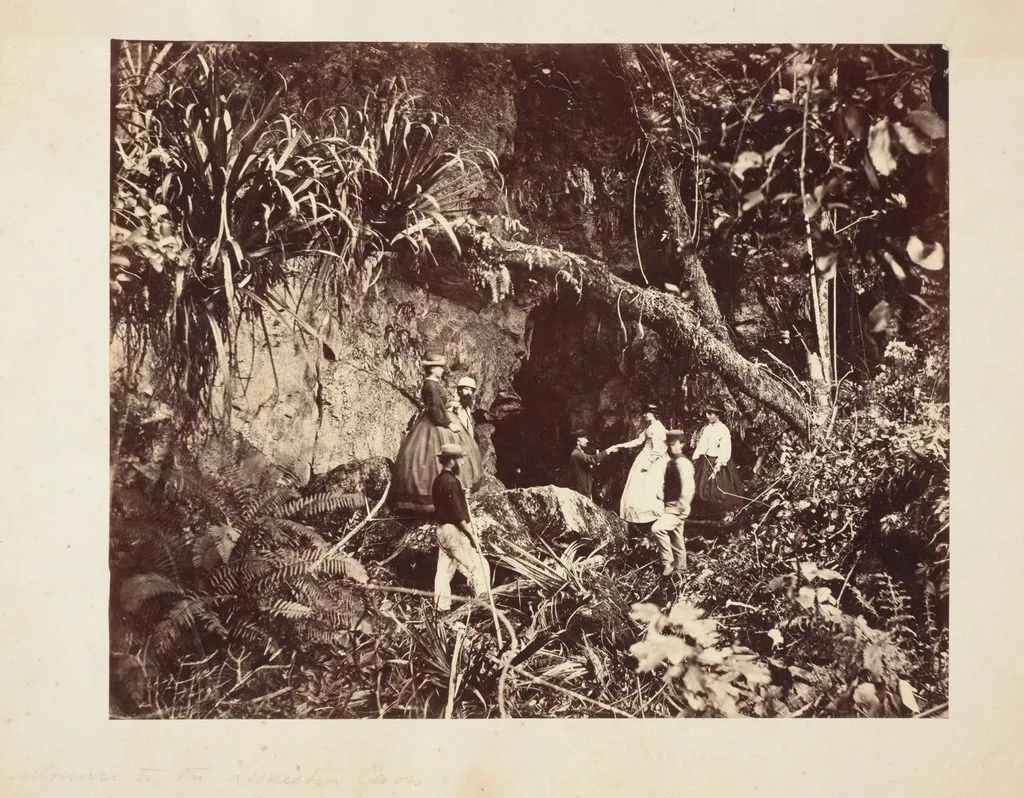
limestone cave in Guangxi
Pictured limestone cave in Guangxi · museumofnewzealand (via rawpixel)

The two from Chuanshandong, at least 100,800 years old and possibly from one individual, did not 17. They paired a complex root system typical of Homo erectus with a more symmetrical crown resembling ours, and several protein variants had previously been seen only in H. erectus and Homo antecessor 17. The team places them in an "unresolved archaic Homo" group 17.

06/07 Good News

Portland chefs are turning rescued food into proper dinners

At Urban Gleaners, a 20-year-old nonprofit in Portland, Oregon, part-time chefs open the fridge, see what has turned up and improvise 226. On one October morning, chef Bradley Cohen had pork loins, kale picked two days earlier at a nearby farm, and the sudden joy of finding a container of gochujang, a Korean fermented chili paste, in the pantry 226.

Today Got Better

The meals are chilled overnight, packed by volunteers and delivered to shopping-style pantries at parks, schools and community centers 226. Across all its rescued food, the group delivers about 100,000 pounds a month to roughly 50 locations 226.

07/07 Natural Sci.

A designed protein gets broken insulin receptors working in mice

Some rare genetic disorders damage the receptor that lets cells respond to insulin; in one of the most severe, Donohue syndrome, most children die before their first birthday 15.

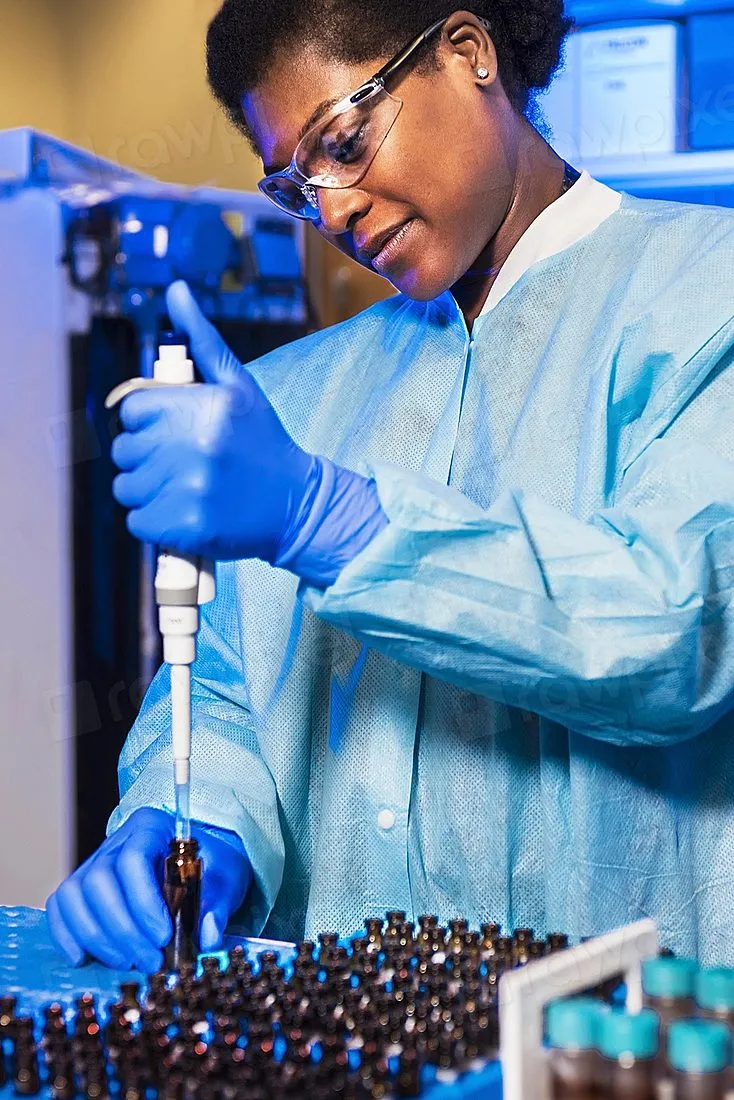
a scientist pipetting in a laboratory
Pictured a scientist pipetting in a laboratory · Centers for Disease Control and Prevention (via rawpixel)

Researchers used computational tools including AlphaFold2 to design a protein called RF-409 that switches the receptor on in a different way from insulin 15. In mice with a genetic form of severe insulin resistance, it lowered blood sugar, reduced damage to the pancreas and prevented dangerous weight loss, even where insulin could not activate the faulty receptors 15.

Quick notes

Shorter discoveries from this morning, worth knowing but not a full story.

‘Autos for Love’ Owners Delight in Giving Away Cars to Needy Neighbors Texas repair shop owners Cathy and Dane Bailey have given away 8 cars this year, including a 2005 Acura MDX to Barbara Farison, a mother who had been without a car for 3 years after hers was totaled 222. Good News Network
Land Returned to Native American Ownership 400 Years After the First Thanksgiving On October 30, The Nature Conservancy gave roughly 126 acres of salt marsh and habitat in Eastham, Massachusetts, to the Indigenous-led Native Land Conservancy, and the turtles that nest nearby are part of the neighborhood 223. Good News Network
Earth's Strange New Moonlet Has Revealed Something Astronomers Predicted in 1878 A temporary mini-moon a few meters across is visiting until December 7, and astronomers kept tracking it by email list even after it was twice removed from an official confirmation page as suspected space junk 82. ScienceAlert
This Newly Discovered Whale Species Had a Lopsided Skull A six-million-year-old dwarf sperm whale from Peru had a "completely crooked" skull that likely helped it feed off the seabed, and its species name, huachafo, is Peruvian slang for something tacky or over the top 261. Nautilus
Psychology shows turning a birthday story into big-picture facts isn’t simply forgetting — older adults still recall one-time events just as accurately as younger adults If Grandpa's story runs long today, note that older adults in this study spoke about 45 seconds per memory to younger adults' 27, adding rich background, and switching between kinds of prompts didn't trip them up any more than it did the young 114. PsyPost
Scientists discover a hidden gut defense that could prevent colon cancer Mice lacking a common gut antibody called IgA grew more than twice as many colon tumors, and giving it to them by mouth removed the extra risk, a lead that still needs testing in people 10. ScienceDaily
Scientists at Meta decode typed sentences from brain activity without surgically implanted chips A system reading magnetic brain scans from outside the skull decoded memorized sentences typed by healthy volunteers with a 29 percent average character error rate, behind surgical implants but with no surgery required 115. PsyPost
STAT+: We’re reading about BioNTech founders’ oncology startup, a long-acting GSK drug, and more GSK reports that Exdensur, dosed twice a year, did at least as well as a monthly drug at achieving remission in a rare inflammatory disease called EGPA, with similar rates of adverse events 106. STAT
People who have four or more caffeinated drinks a day don’t rate their sleep any worse — and neuroscience found a surprising fact about their sleep Genetic estimates suggest heavy habitual caffeine drinkers lose only about 11 to 13 minutes of sleep a night, and their brain waves show deeper sleep that may help make up the difference 111. PsyPost
Once Rare in Ujani, 10 Lakh Deccan Mahseer Get a Fresh Chance Through a 10-Year Plan Conservationists released 10 lakh (a million) young Deccan Mahseer, the "Tiger of the River," into Maharashtra's Ujani wetland, where more than 178 tonnes of invasive fish have been cleared over the past year 231. The Better India
Cranfield University & HyphaPro to Develop Iron-Binding, Animal-Free Egg Protein A proof-of-concept project aims to get fungi to brew an iron-binding egg white protein, no chicken involved 194. Green Queen
Stop eating turkey and start enjoying Thanksgiving Vox makes the case for a turkey-free table, led by a mushroom Wellington rich with caramelized onions that wowed a mixed crowd of vegans and meat eaters 138. Vox Future Perfect
Roman Glass Among the Silk Road Treasures Unearthed in Nomadic Noble’s Tomb The largest Xiongnu tomb yet found in Mongolia held 413 artifacts, including a lacquered chariot and a cup of Roman glass that had come a very long way 221. Good News Network
82-Year-Old Woman Gets the Best Holiday Gift After Losing Her Beloved Dog Eddie Cole got Mitz, a four-pound emotional support dog, back after police asked the public for help and the couple who had taken the pup came forward 228. Sunny Skyz
A Sculptural Playground in Shanghai Is Designed for Human-Powered Play A new all-ages art playground in Jing'an Sculpture Park runs on people power, and its artists have already spotted a man in a business suit trying the slide 258. Colossal

Our process. Your trust.

Every discovery above traces back to an article we read in full. This is the whole corpus behind this morning, and what it was made of.

  • 47 Sources scanned
  • 266 Articles read
  • 8 Fields covered
  • 7 Discoveries

The sources that carried this morning

  1. 1 Nature 20 articles
  2. 2 PLOS One 20 articles
  3. 3 Psychology Today: The Latest 20 articles
  4. 4 Phys.org 15 articles
  5. 5 Latest Science News -- ScienceDaily 11 articles
  6. 6 Ars Technica 11 articles
  7. 7 ScienceAlert 10 articles
  8. 8 Interesting Engineering 10 articles
How an edition is made

Everything we read today

Natural Sciences 94 articles
PLOS One
Life Sciences & Medicine 13 articles
Psychology & Behavioral Science 30 articles
Psyche | Know Your Self
Social Sciences 14 articles
Technology & Innovation 42 articles
Plant-Based & Vegan 25 articles
Solutions & Good News 30 articles
Human Stories & Ideas 18 articles
The long view · not today’s news, the story behind it

Today’s discoveries didn’t come from nowhere. Here’s the older, ongoing story they belong to, a moment from this day in history, and a question to test what stuck.

Where the story stands

On this day in science

1922 Howard Carter opens Tutankhamun's tomb By candlelight, the archaeologist Howard Carter cut a small hole in a sealed doorway in Egypt's Valley of the Kings and looked into the tomb of the boy king Tutankhamun. Asked if he could see anything, he answered that he could see wonderful things. The nearly untouched tomb opened a rare window on the ancient world. More from the Almanac →

Before you go: today’s quiz

The daily quiz

On 16 October 1846, surgeons in Boston first publicly demonstrated what, making painless surgery possible?

Reveal the answer

Surgical anaesthesia

The public demonstration of ether anaesthesia at Massachusetts General Hospital, later called Ether Day, opened the era of painless surgery.

See the day →

Previous editions

Every morning we have published, newest first. Nothing expires.

View the full archive

Get this every morning.

Liked today’s? Tomorrow’s reaches your inbox before breakfast.

  • One email each morning, never more
  • The day’s real discoveries across 8 fields
  • One calm read with your coffee

Free from tomorrow morning, for good.

Same letter. Your $5 a month keeps it free for everyone else.

Any amount, charged once.