







The daily brief · November 25, 2026

Bacteria-carrying mosquitoes cut dengue 68%, and bears flee our voices

Today belongs to small things with large jobs, some of them too small to see.

  • 8 Discoveries
  • 282 Articles read
  • 45 Sources
  • 10 Min read

Today’s discoveries

Everything this morning found, in the order we would read it.

8 stories
  1. 01 Good News Mosquitoes carrying a bacterium protected schoolchildren from dengue The plan for fewer mosquito-borne infections in Belo Horizonte, Brazil, was to release more mosquitoes. Source: Good News Network 1 min read
  2. 02 Life Sciences One swab can check a sore for syphilis in about 15 minutes On November 20, the FDA granted emergency use authorization to a Roche test called the cobas liat Lesion Panel. Source: NIH News Releases 1 min read
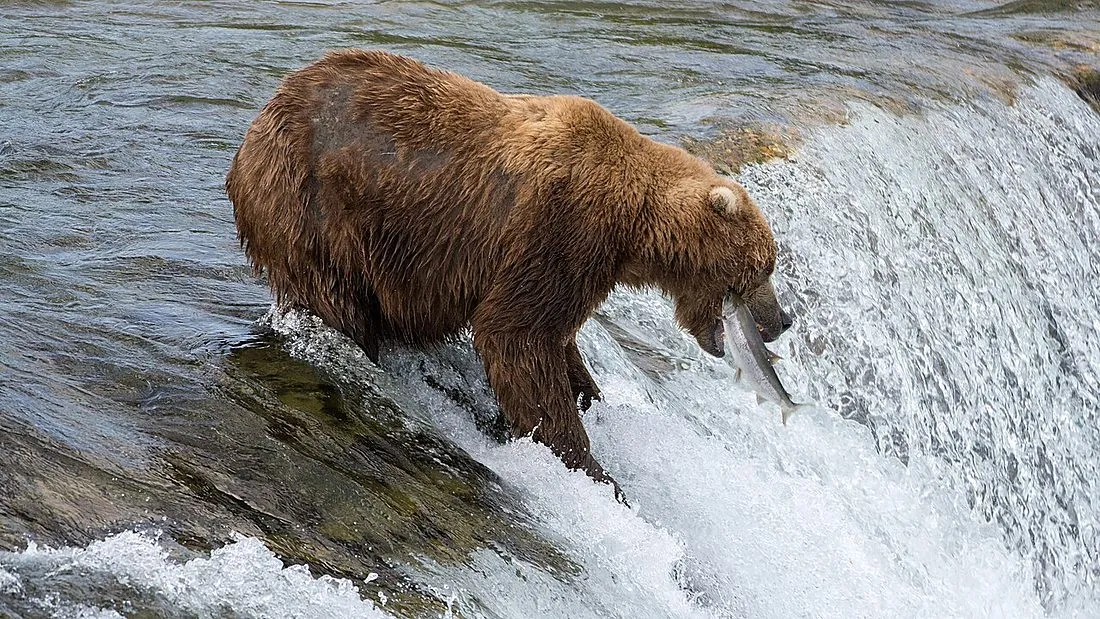
  3. 03 Natural Sci. Bears would rather not run into you Beside salmon streams in southeast Alaska, USDA Forest Service wildlife biologist Philip Manlick and colleagues set out fish, motion-triggered speakers and cameras. Source: ScienceAlert 1 min read
  4. 04 Technology An ancient human relative made a home in the rainforest Two limestone caves in China's Guangxi region, 15 kilometers apart, held more than 18,000 animal bones and fragments. Source: Ars Technica 1 min read
  5. 05 Plant-Based Hospitals moved plants up the menu, and emissions came down For three months, six British hospitals tried a change devised by the caterer Medirest and the behavior change group Greener by Default. Source: Green Queen 1 min read
  6. 06 Human Stories Short hourly walks kept blood sugar steadier in a small trial Ana Pinto of the University of Colorado School of Medicine and colleagues recruited 30 sedentary adults with overweight or obesity. Source: Nautilus 1 min read
  7. 07 Psychology Most long-term singles stayed satisfied with their lives Elaine Hoan, a PhD candidate at the University of Toronto, and colleagues followed survey answers from 2,930 never-married adults in Germany who stayed unpartnered across 11 years. Source: PsyPost 1 min read
  8. 08 Good News A school on Yap accepts coconuts for tuition On Yap, in the Federated States of Micronesia, cash is scarce and coconuts are not. Source: Good News Network 1 min read

The feel-good story of the day

elderly woman walking in a Himalayan forest Jules Verne Times Two (Wikimedia Commons)
Pictured elderly woman walking in a Himalayan forest

At 75, "Forest Mother" still walks her rounds

In Manar, a village in the Champawat district of India's Uttarakhand state, Bhagirathi Devi heads into the forest every morning. She patrols until around noon, goes home, and sets out again at 2 pm, often staying until sunset. She is watching for tree cutting, damaged plants and cattle grazing where they shouldn't. People call her Van Amma, or forest mother.

When she began in 2000, years of heavy grazing and felling had left the woodland almost barren. The village's women organized to bring back those 28 acres. They set rules for who could use the forest and cleared dry leaves and pine needles ahead of fire season.

Residents say the restored forest has not had a fire since the effort began, and the district's forest department has recognized it as a model for fire prevention. More than two decades on, Van Amma still makes the afternoon round.

Today’s complete edition

The discoveries, in full

Read the evidence, what it changes, and the reporting behind each of today’s 8 discoveries.

01/08 Good News

Mosquitoes carrying a bacterium protected schoolchildren from dengue

The plan for fewer mosquito-borne infections in Belo Horizonte, Brazil, was to release more mosquitoes. These carried Wolbachia, a bacterium that hampers the insect's ability to pass on viruses.
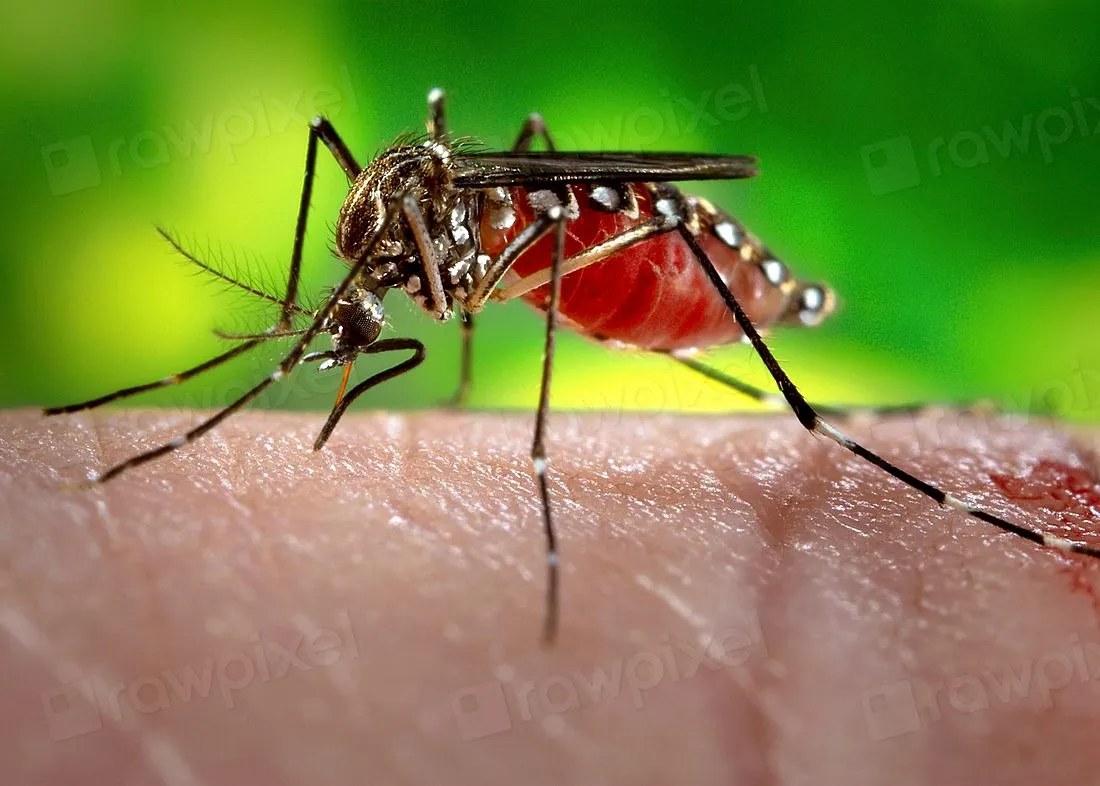
Aedes aegypti mosquito
Pictured Aedes aegypti mosquito · Centers for Disease Control and Prevention (via rawpixel)

Researchers divided the trial into 58 school-defined areas: 29 received the releases on top of usual measures such as insecticide spraying and clearing breeding sites, and 29 got the usual measures alone. The releases ran from January 2021 through May 2022, and the trial involved 5,757 children aged 6 to 11. Dengue incidence fell by 68.5% with the Wolbachia mosquitoes, and chikungunya by 73.3% 239.

02/08 Life Sciences

One swab can check a sore for syphilis in about 15 minutes

On November 20, the FDA granted emergency use authorization to a Roche test called the cobas liat Lesion Panel. From a single swab of a skin sore, it looks for four pathogens at once: the syphilis bacterium, herpes simplex virus types 1 and 2, and the mpox virus.

a nurse working in a clinic laboratory
Pictured a nurse working in a clinic laboratory · Direct Media (via stocksnap)

Results take about 15 minutes. NIH says it is the first authorized point-of-care test that directly detects and tells apart sores caused by sexually transmitted infections, and an NIH program that vets diagnostics helped evaluate it 92.

03/08 Natural Sci.

Bears would rather not run into you

Beside salmon streams in southeast Alaska, USDA Forest Service wildlife biologist Philip Manlick and colleagues set out fish, motion-triggered speakers and cameras. When an animal approached, it heard gulls, off-road vehicles or people.

brown bear catching salmon in Alaska
Pictured brown bear catching salmon in Alaska · Christoph Strässler (Wikimedia Commons)

Bears, bald eagles and ravens were twice as likely to make a hasty exit at the vehicle sounds as at the gulls. Human voices did far more: the animals were almost 10 times more likely to flee from them. A companion study looked at mountain lions, and together the two papers describe big predators changing their behavior to steer clear of us 74.

04/08 Technology

An ancient human relative made a home in the rainforest

Two limestone caves in China's Guangxi region, 15 kilometers apart, held more than 18,000 animal bones and fragments. Among them, University of Copenhagen paleoanthropologist Frido Welker and colleagues found nine teeth from ancient humans.

karst limestone mountains in Guangxi, China
Pictured karst limestone mountains in Guangxi, China · Bernt Rostad (Wikimedia Commons)

A team including Kira Westaway of Macquarie University studied the enamel of five. Four carried proteins distinctive of Homo erectus; the fifth appears to be from another relative, most likely a Denisovan. The surrounding rock formed between 324,000 and 184,000 years ago, which puts Homo erectus in southern China at least 60,000 years later than researchers had realized 176.

05/08 Plant-Based

Hospitals moved plants up the menu, and emissions came down

For three months, six British hospitals tried a change devised by the caterer Medirest and the behavior change group Greener by Default. Plant-based dishes went to the top of menus, and their descriptions talked about flavor and where food came from instead of leading with diet labels.

Hospitals moved plants up the menu, and emissions came down
Foodie Girl (via stocksnap)

Compared with the previous quarter, 8% of orders shifted from meat to plant-based meals, about 4,500 meals in all. Emissions from main dishes fell by 25%, roughly 22,000 kilograms of carbon dioxide equivalent. In staff and visitor restaurants, meal uptake rose 5%, average fiber per meal climbed 39% and legume intake jumped 225% 214.

06/08 Human Stories

Short hourly walks kept blood sugar steadier in a small trial

Ana Pinto of the University of Colorado School of Medicine and colleagues recruited 30 sedentary adults with overweight or obesity. One group took a brisk 45-minute walk five days a week.

office worker taking a walk outside
Pictured office worker taking a walk outside · Oliver Propst (Wikimedia Commons)

The other took five-minute walks 10 times a day, on the hour. Over six weeks, with glucose monitors on, the short-walk group's time in the normal blood sugar range rose from 82 percent to 94 percent, while the long-walk group's slipped from 89 percent to 80 percent. The frequent walkers also handled glucose better on testing. Their steadier readings came mostly from an unexpected direction: fewer dips, as opposed to smaller spikes 278.

07/08 Psychology

Most long-term singles stayed satisfied with their lives

Elaine Hoan, a PhD candidate at the University of Toronto, and colleagues followed survey answers from 2,930 never-married adults in Germany who stayed unpartnered across 11 years.

person enjoying coffee alone at a cafe
Pictured person enjoying coffee alone at a cafe · Shixart1985 (Wikimedia Commons)

Earlier work on the same data had averaged everyone into one curve that seemed to show happiness gradually declining. This time the team sorted people into distinct long-term patterns. In every age group, roughly 90 percent kept relatively high, stable life satisfaction, above the scale's midpoint the whole way 114.

08/08 Good News

A school on Yap accepts coconuts for tuition

On Yap, in the Federated States of Micronesia, cash is scarce and coconuts are not. Faith Christian Academy now takes them in place of tuition money and uses them to rebuild the island's coconut oil trade, which had stopped entirely by the mid-2000s.

Yap island coconut palms
Pictured Yap island coconut palms · Vyacheslav Argenberg (Wikimedia Commons)

Founder Paul Zimmer says only about a third of islanders had paid work, mostly with the government. "We asked a simple question: what if the thing Yap has in abundance could help pay for the thing families want most for their kids?" he said 242.

Quick notes

Shorter discoveries from this morning, worth knowing but not a full story.

In This Ladakh Village, Families Stay Up at Night Guarding Water So Every Farmer Gets Their Share In the village of Phey, guards at the main water channel have verified their rota by splitting a stone, leaving half at the sluice and passing half to the next person, who checks that the pieces fit 245. The Better India
Voyager’s cosmic map of Earth’s location: Cute, but wrong Voyager 1 has passed one light-day from Earth, carrying a pulsar map to our home that would most likely leave any finder lost, so don't expect drop-in guests 271. Big Think
Menopause hormone therapy med popularity increases 141% compared to previous years Tucked into this roundup: the FDA has approved the first drug for limb girdle muscular dystrophy, aimed at a subtype that maker BridgeBio estimates affects 2,000 to 3,000 U.S. patients 108. STAT
FDA Set to Approve First CRISPR Therapy That Edits Genes Inside the Body Intellia has asked the FDA to approve a one-time gene-editing infusion for a rare swelling disorder, after 62 percent of treated patients in an 80-person trial had no attacks over six months 212. SingularityHub
New Injection Slashes Blood Fats by Up to 46% in Clinical Trial In a company-funded trial of 235 people, an antibody injected every four weeks cut fasting triglycerides by 39 to 46 percent versus placebo at 12 weeks, though effects on heart disease itself were not tested 80. ScienceAlert
New nose drops restore youthful memory and fight Alzheimer’s in aging mice University of Sydney researchers, inspired in part by Flowers for Algernon, used mRNA nose drops to return older mice's learning and memory to youthful levels; people have yet to be tested 8. ScienceDaily
When Your Doctor Prescribes a Visit to an Art Gallery Health providers can prescribe a trip to the Vancouver Art Gallery, with free entry for patient and guest, free carshare minutes to a nearby nature spot afterward, and full permission to sway in front of the paintings 110. Greater Good
No Pumbaa Needed: Meerkats Are Great Solo Navigators Of 20 wild meerkats released alone 1.5 kilometers from where they started, all but two made it home, youngsters included, and researchers returned the pair who didn't 279. Nautilus
Retired Teacher Turns Retired Musical Instruments into Bird Feeders (LOOK) Rob Burke of Prince Edward Island is turning donated guitars and a violin into bird cafés, with some reinforcement needed once the heavier blue jays arrived 240. Good News Network
NYC Lawmakers Propose Ban On Boiling Lobsters Alive A new proposal would stop New York food businesses from boiling lobsters and crabs alive, with fines of up to $100 per incident for repeat violations 226. Plant Based News
High-Speed Nanoscale Brain Imaging Uncovers Hidden Synapses A much faster 3D imaging method revealed tiny electrical connections in mouse brain tissue, plus little protrusions where neurons appear to "nibble" their neighboring support cells 96. Neuroscience News
'A new record in quantum error correction': Scientists say breakthrough brings powerful, fault-tolerant quantum computers closer to reality Quantinuum reports that its 98-qubit Helios system made about five uncorrectable memory errors per million rounds of checking, compared with 772 for Google's Willow chip in comparable tests, in a preprint 16. Live Science
2,900-year-old sanctuary discovered on Greek mountaintop may have been a destination for Artemis worship Heaps of pottery near a summit on the island of Euboea show that people climbed there for centuries, possibly to honor Artemis, on a route whose last stretch is still a workout 17. Live Science
From Hiring Disabled People to Helping Artisans Earn: 5 CEOs Building a Better India Lemon Tree Hotels makes Indian Sign Language part of staff training, and its 2025–26 annual report counts 305 employees with disabilities 251. The Better India
Vegan Scotch egg lands in over 1,000 Aldi stores after winning Channel 4 competition Rhian Caffull spent three years perfecting a plant-based boiled egg, and the finished snack is now a limited-edition buy in more than 1,080 UK Aldi stores 237. Vegan Food & Living

Our process. Your trust.

Every discovery above traces back to an article we read in full. This is the whole corpus behind this morning, and what it was made of.

  • 45 Sources scanned
  • 282 Articles read
  • 8 Fields covered
  • 8 Discoveries

The sources that carried this morning

  1. 1 PLOS One 20 articles
  2. 2 Psychology Today: The Latest 20 articles
  3. 3 Nature 19 articles
  4. 4 Ars Technica 17 articles
  5. 5 Phys.org 14 articles
  6. 6 The Conversation Articles 13 articles
  7. 7 Latest Science News -- ScienceDaily 12 articles
  8. 8 PsyPost Psychology News 10 articles
How an edition is made

Everything we read today

Natural Sciences 91 articles
PLOS One
Life Sciences & Medicine 18 articles
Psychology & Behavioral Science 32 articles
Social Sciences 22 articles
Technology & Innovation 49 articles
Plant-Based & Vegan 25 articles
Solutions & Good News 26 articles
Human Stories & Ideas 19 articles
The long view · not today’s news, the story behind it

Today’s discoveries didn’t come from nowhere. Here’s the older, ongoing story they belong to, a moment from this day in history, and a question to test what stuck.

Where the story stands

On this day in science

1915 Einstein completes general relativity Albert Einstein presented the final field equations of general relativity to the Prussian Academy of Sciences in Berlin. His new picture of gravity, as the bending of space and time, has passed every test since, from the orbit of Mercury to the ripples we now catch from colliding black holes. More from the Almanac →

Before you go: today’s quiz

The daily quiz

In what year was the world's first IVF (test-tube) baby born?

Reveal the answer

1978

Louise Brown, the first baby conceived through in vitro fertilisation, was born on 25 July 1978. Millions of IVF births have followed.

See the day →

Previous editions

Every morning we have published, newest first. Nothing expires.

View the full archive

Get this every morning.

Liked today’s? Tomorrow’s reaches your inbox before breakfast.

  • One email each morning, never more
  • The day’s real discoveries across 8 fields
  • One calm read with your coffee

Free from tomorrow morning, for good.

Same letter. Your $5 a month keeps it free for everyone else.

Any amount, charged once.