

The daily brief · October 15, 2026

Hepatitis C cleared in eight weeks, and a drawer hid a new dinosaur

A lot of today's progress came from using something that was already there: an old pill with a shorter schedule, a mosque speaker with a second job, a fossil in a museum drawer.

  • 7 Discoveries
  • 297 Articles read
  • 52 Sources
  • 9 Min read

Today’s discoveries

Everything this morning found, in the order we would read it.

7 stories
  1. 01 Good News Eight weeks of pills clear hepatitis C as well as twelve The RESOLVE trial, published in The Lancet on 30 September 2026 and led by Dr Rakesh Aggarwal, enrolled 880 adults with hepatitis C who had no cirrhosis and had never been treated, at… Source: The Bright Side 1 min read
  2. 02 Natural Sci. A fossil that sat in a drawer for a century turns out to be Europe's first megaraptoran A rear piece of a skull found on the Isle of Wight and acquired by the Natural History Museum in 1924 has been named Invictibellatrix amberina by a UCL-led team, publishing in Royal… Source: Latest Science News -- ScienceDaily 1 min read
  3. 03 Good News Mosque loudspeakers could become Indonesia's earthquake sirens Indonesia has hundreds of thousands of mosques, nearly all with loudspeakers that broadcast the call to prayer five times a day. Source: The Optimist Daily: Making Solutions the News 1 min read
  4. 04 Life Sciences Reading a remorseful character makes people more forgiving, including of real people Ohio State researchers Angus Fletcher and Mark Matthews tested one narrative technique, internal focalization, where the storyteller shows a wrongdoer's private thoughts of regret. Source: Neuroscience News 1 min read
  5. 05 Life Sciences A common blood-pressure pill may switch on brown fat Researchers at Rockefeller University, with Memorial Sloan Kettering, used AI tools on PET/CT scans and records from more than 100,000 cancer patients, double the earlier cohort, and… Source: NIH News Releases 1 min read
  6. 06 Good News The world has more mangroves than in 1985, though not where you would guess Global Mangrove Watch, mapping 108 countries at 10-metre resolution, shows cover up by 477 square kilometres between 1985 and 2025, about 0.3 percent. Source: The Bright Side 1 min read
  7. 07 Good News Three people got a gene-therapy injection for glaucoma, and the early safety data are clean Life Biosciences reported the first human data for ER-100, a partial reprogramming therapy, in three people with open-angle glaucoma. Source: The Bright Side 1 min read

The feel-good story of the day

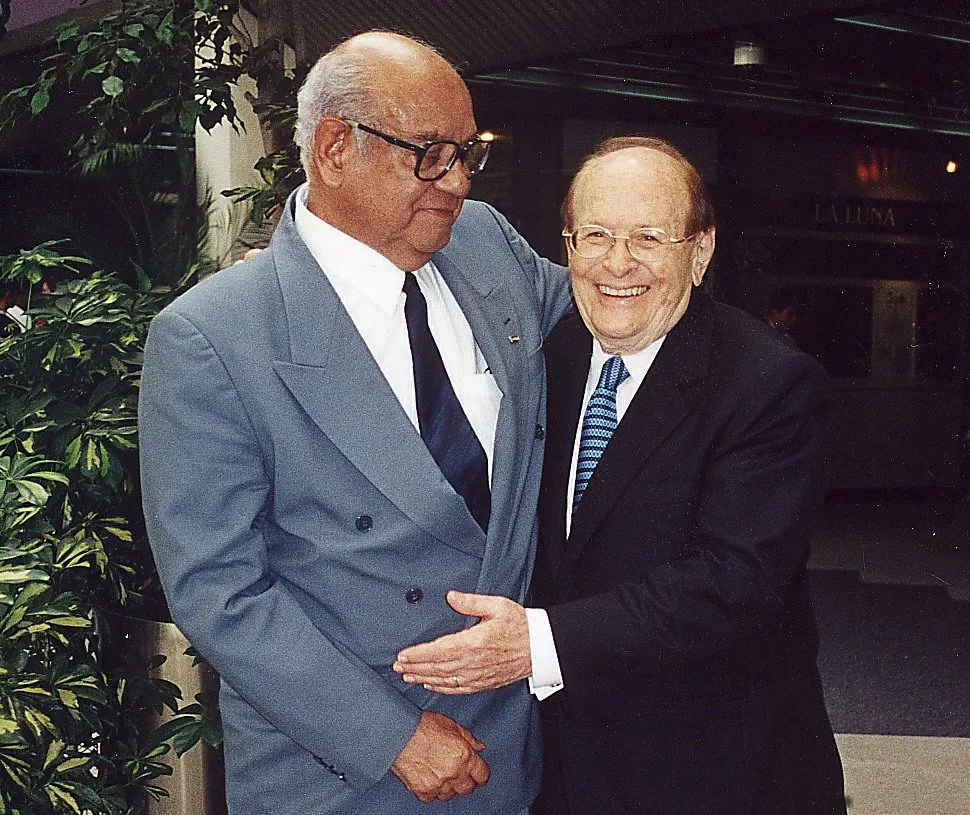
Luis Miramontes User:Scitim from the English Wikipedia (Wikimedia Commons)
Pictured Luis Miramontes

The young chemist who made the first oral contraceptive compound, on this day in 1951

On October 15, 1951, a Mexican chemist named Luis Miramontes synthesized norethindrone in a laboratory at Syntex in Mexico City. He was a young researcher who had trained at the National University of Mexico, working with the senior chemists Carl Djerassi and George Rosenkranz.

The compound was a highly active progestin that could be taken by mouth, which earlier hormone preparations could not. It became a key ingredient in early birth control pills, and the pill changed what millions of people could plan for their own lives, their education, their health and their families.

Miramontes did not become a famous name abroad, and he spent much of his later career teaching and researching in Mexico. He died in 2004. In Mexico he is remembered as the chemist whose bench work on a single day in 1951 made the oral contraceptive possible.

Today’s complete edition

The discoveries, in full

Read the evidence, what it changes, and the reporting behind each of today’s 7 discoveries.

01/07 Good News

Eight weeks of pills clear hepatitis C as well as twelve

The RESOLVE trial, published in The Lancet on 30 September 2026 and led by Dr Rakesh Aggarwal, enrolled 880 adults with hepatitis C who had no cirrhosis and had never been treated, at five public hospitals in Lucknow, New Delhi and Varanasi 264.

a doctor talking with a patient in a hospital clinic
Pictured a doctor talking with a patient in a hospital clinic · Direct Media (via stocksnap)

The median age was 35. Half took sofosbuvir-velpatasvir for eight weeks (443 people) and half for the standard twelve (437). Among those who finished and came back for the test twelve weeks later, 410 of 415 on the short course cleared the virus, 98.8 percent, against 397 of 401 on the long one, 99.0 percent 264. Counting everyone who never returned, the figures were 93.5 and 91.8 percent. Nobody had a drug-related serious adverse event or stopped because of one 264.

02/07 Natural Sci. Human Stories

A fossil that sat in a drawer for a century turns out to be Europe's first megaraptoran

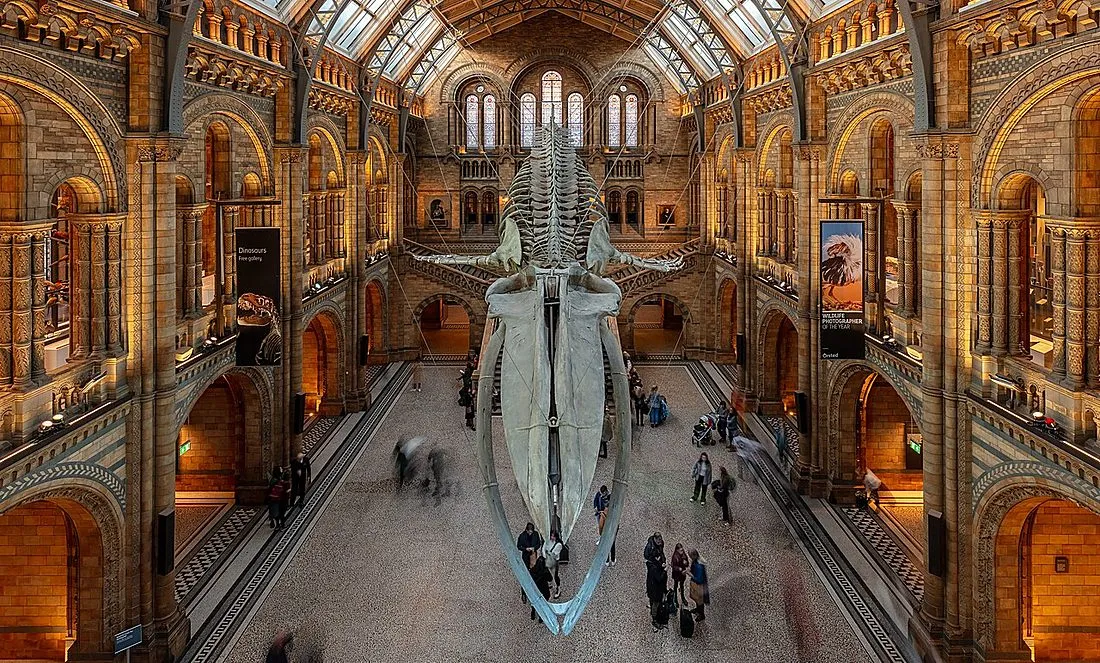
A rear piece of a skull found on the Isle of Wight and acquired by the Natural History Museum in 1924 has been named Invictibellatrix amberina by a UCL-led team, publishing in Royal Society Open Science 3.

the Natural History Museum in London
Pictured the Natural History Museum in London · Diego Delso (Wikimedia Commons)

It is about 120 million years old and the first known European member of the megaraptorans, bipedal carnivores with narrow skulls, strong arms and big curved claws 3. Micro-CT scans built 3D models of the braincase, and an hourglass-shaped crest marked it as a new species 290. Everything else is inferred from relatives. Lead author Cassius Morrison puts it at three to four metres long, roughly as tall as a person, probably feathered, with claws of 10 to 20 centimetres, eating small dinosaurs, lizards and mammals in a role like the modern hyena's 3.

What each field noticed (2)
03/07 Good News

Mosque loudspeakers could become Indonesia's earthquake sirens

Indonesia has hundreds of thousands of mosques, nearly all with loudspeakers that broadcast the call to prayer five times a day 266. A five-year pilot running until 2030, between Japanese and Indonesian researchers, is testing whether those speakers can also sound an earthquake alarm, wired to a network of seismic sensors 266.

a mosque minaret with loudspeakers in Indonesia
Pictured a mosque minaret with loudspeakers in Indonesia · Unknown (via rawpixel)

Several mosques are already connected. The idea came from Dr Inoue Hiroshi of Kyoto University while he studied deadly Sumatra earthquakes, and his argument is about upkeep: "the mosque speaker is maintained by the people" 266.

04/07 Life Sciences

Reading a remorseful character makes people more forgiving, including of real people

Ohio State researchers Angus Fletcher and Mark Matthews tested one narrative technique, internal focalization, where the storyteller shows a wrongdoer's private thoughts of regret 98.

a woman reading a novel on a sofa
Pictured a woman reading a novel on a sofa · Shixart1985 (Wikimedia Commons)

Across three studies with 1,563 participants, revealing that inner remorse, such as thinking an apology instead of speaking it, raised both decisional and emotional forgiveness of the fictional offender 98. Forgiving the character then prompted participants to forgive actual people who had wronged them, according to the report in Frontiers in Psychology 98.

05/07 Life Sciences

A common blood-pressure pill may switch on brown fat

Researchers at Rockefeller University, with Memorial Sloan Kettering, used AI tools on PET/CT scans and records from more than 100,000 cancer patients, double the earlier cohort, and looked at more than 500 diagnostic codes 97.

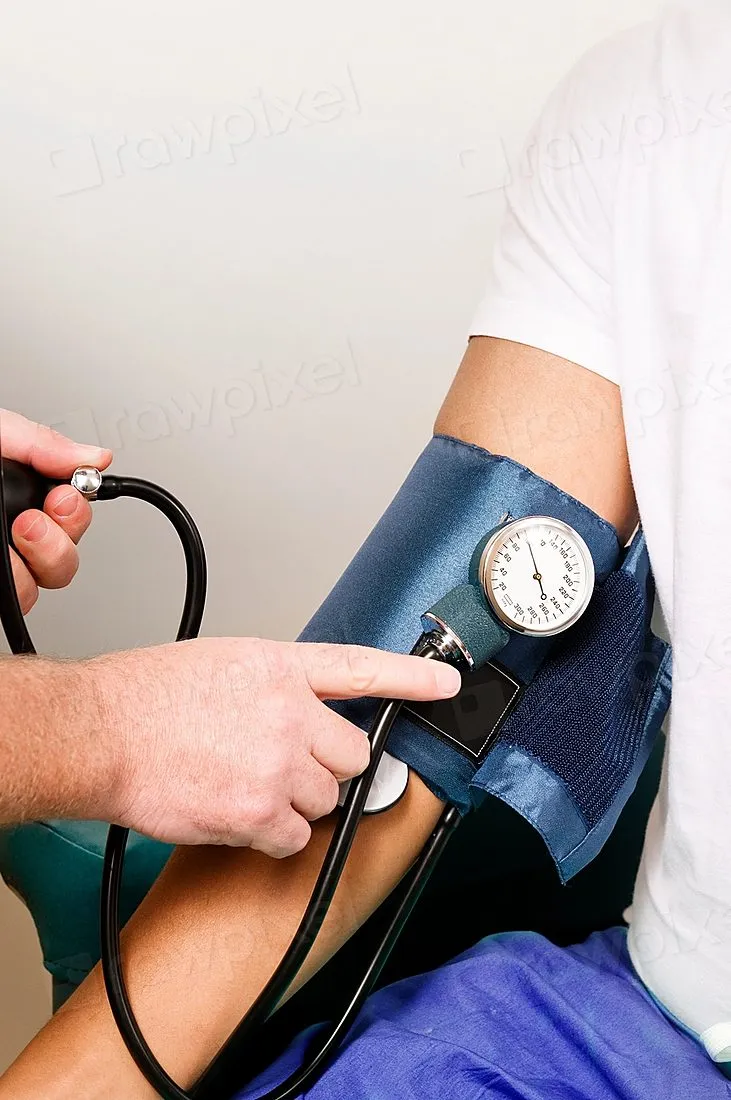
a doctor measuring a patient's blood pressure
Pictured a doctor measuring a patient's blood pressure · Centers for Disease Control and Prevention (via rawpixel)

Higher brown fat activity tracked with more cardiometabolic benefit, with the armpit depot the most strongly tied, and with a lower incidence of anxiety and depression 97. The same analysis pointed at angiotensin receptor blockers, and in NIH-funded mouse work, losartan boosted brown fat activity and metabolism 97.

06/07 Good News

The world has more mangroves than in 1985, though not where you would guess

Global Mangrove Watch, mapping 108 countries at 10-metre resolution, shows cover up by 477 square kilometres between 1985 and 2025, about 0.3 percent 263. India added 1,180 square kilometres, while Indonesia lost 2,043 and Myanmar 1,458 263.

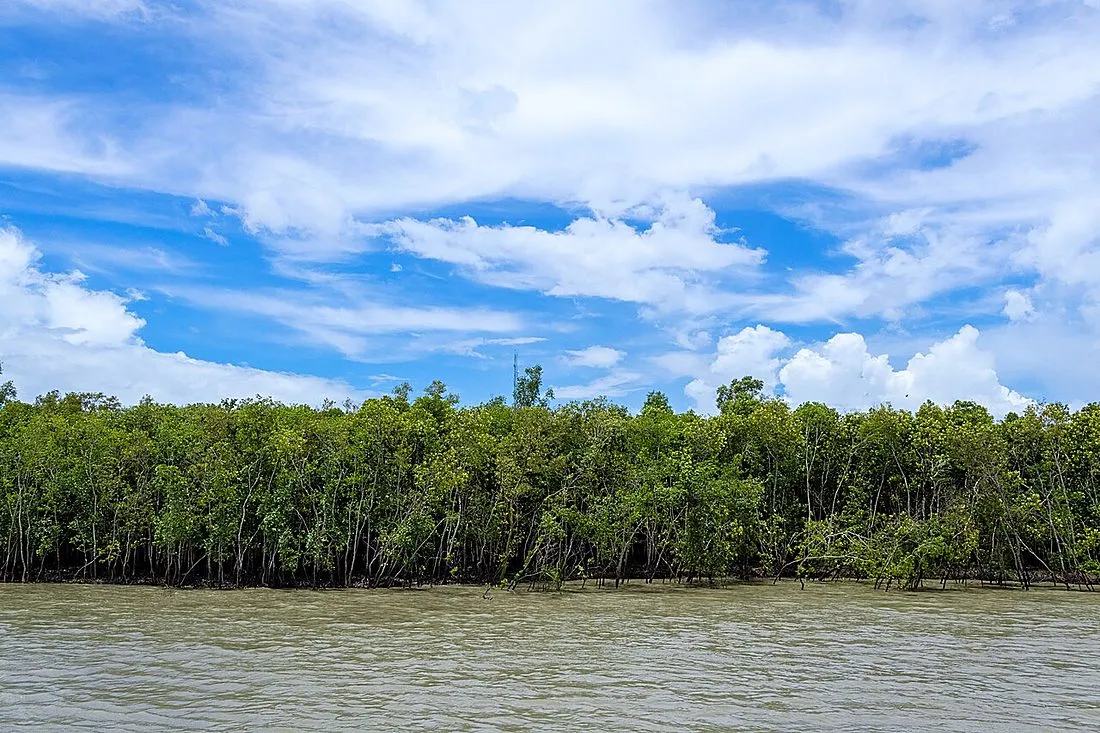
a mangrove forest at high tide
Pictured a mangrove forest at high tide · Kingshuk Mondal (Wikimedia Commons)

In Tamil Nadu and Andhra Pradesh from the late 1980s, crews dug narrow channels into mudflats in a fish-skeleton pattern so the tide could flush them. The government also stopped felling and paid people, women especially, to plant instead of cutting firewood 263.

07/07 Good News

Three people got a gene-therapy injection for glaucoma, and the early safety data are clean

Life Biosciences reported the first human data for ER-100, a partial reprogramming therapy, in three people with open-angle glaucoma 262. Each had one injection of a virus carrying the genes OCT4, SOX2 and KLF4, switched on only while taking doxycycline for 56 days, with a steroid taper alongside 262.

Today Got Better

At the lowest dose there were no serious adverse events or dose-limiting toxicities, and an independent board cleared a tripling of the dose 262. Two of the three had at least 28 percent of tested visual-field points improve by more than 4 decibels at day 56 262.

Quick notes

Shorter discoveries from this morning, worth knowing but not a full story.

The Perseverance Rover Reaches Another Milestone Perseverance has driven 45.22 km, edging past Opportunity's 45.16 km, in 5.5 years instead of almost 15, with its AutoNav doing about 90% of the driving 91. Universe Today
Things are finally looking up for NASA's first missions to Venus in a generation DAVINCI is now set for December 2030, a year early, and will send back the first direct images of Venus's surface since 1982 181. Ars Technica - All content
One-third of food is lost or wasted: How to help farmers cut postharvest losses Across 324 studies, better handling and storage cut estimated losses of vegetables from 35.1% to 7.3% and roots and tubers from 42.9% to 11.5% 76. Phys.org - latest science and technology news stories
New York City Expected To Ban Horse-Drawn Carriages From 2028 A vote is scheduled for October 22 with a veto-proof majority expected, and the bill includes career support for drivers and humane rehoming for the horses 231. Plant Based News
Teen Triathlete Raises More Than $30,000 to Donate Bikes and Riding Lessons to Low-Income Families At 17, Jonathan Thai has secured 400 donated bikes and 500 helmets, run over a dozen free clinics, and spread the foundation to New York and Tennessee 240. Good News Network
Inches Below the Forest Floor, Archeologists in Germany Unearthed a Roman Temple to the War God A few inches under the Taunus forest, archaeologists found a temple to Mars, fragments of a Victoria statue and a blacksmith's workshop, preserved because no plough ever crossed the site 242. Good News Network
Strangers Go Above and Beyond to Get Bride and Groom to Their Wedding After Highway Closes A hunter with an electric pit bike and a woman with an ATV took a groom in a three-piece suit and his bride 16 miles around a closed Idaho highway, and they arrived with wrecked hair 247. Sunny Skyz
The Library Is Closed. Feel Free to Come In. A handful of rural library systems now let adult cardholders into unstaffed branches after hours, which one patron uses for job applications and court filings 246. Reasons to be Cheerful
Shh! Finland Is Hosting the “World’s Quietest Festival” in a National Park Hiljaa Fest in Valkmusa National Park has four "stages," 40 mire habitat types and no lineup beyond whoever turns up in their own habitat 244. Nice News
World’s Heaviest Pumpkin Sets Incredible New Record at 2,856 lbs. Ian Paton's pumpkin Bagheera weighed 2,856.8 lbs after six hours a day of tending and 130 gallons of water daily, and it will end up as cow feed 243. Good News Network
In Ukraine, the repair movement is heading underground After a bomb hit the college where they hold repair cafés, organisers in Chornomorsk are moving their International Repair Day festival into a shelter 245. Positive News
How Scientist Vijay Bhatkar Built India's First Supercomputer in 1991 Denied a Cray by US export rules, a team led by Vijay Bhatkar at C-DAC in Pune built PARAM, India's first indigenous supercomputer, aimed first at better weather forecasts for farmers 255. The Better India : Latest Posts

Our process. Your trust.

Every discovery above traces back to an article we read in full. This is the whole corpus behind this morning, and what it was made of.

  • 52 Sources scanned
  • 297 Articles read
  • 8 Fields covered
  • 7 Discoveries

The sources that carried this morning

  1. 1 PLOS One 20 articles
  2. 2 Psychology Today: The Latest 20 articles
  3. 3 Nature 18 articles
  4. 4 Phys.org 16 articles
  5. 5 Ars Technica - All content 15 articles
  6. 6 STAT 13 articles
  7. 7 Latest from Live Science 12 articles
  8. 8 Pew Research Center 12 articles
How an edition is made

Everything we read today

Natural Sciences 96 articles
Knowable Magazine
PLOS One
Life Sciences & Medicine 22 articles
Psychology & Behavioral Science 29 articles
Psyche | Know Your Self
Social Sciences 30 articles
Works in Progress RSS Feed
Technology & Innovation 47 articles
Plant-Based & Vegan 14 articles
Solutions & Good News 39 articles
Human Stories & Ideas 20 articles
The long view · not today’s news, the story behind it

Today’s discoveries didn’t come from nowhere. Here’s the older, ongoing story they belong to, a moment from this day in history, and a question to test what stuck.

Where the story stands

On this day in science

1997 Cassini sets off for Saturn NASA and Europe launched the Cassini spacecraft on a seven-year voyage to Saturn, carrying the Huygens probe bound for the moon Titan. Cassini spent 13 years circling the ringed planet, finding icy geysers and hidden oceans on its moons. It reshaped what we know about the outer solar system. More from the Almanac →

Before you go: today’s quiz

The daily quiz

In 1800, about what share of children died before their fifth birthday?

Reveal the answer

About 43 percent

In 1800 about 42.8 percent of children, roughly four in ten, died before age five. Today the global figure is about 3.7 percent, the lowest ever recorded.

See the number →

Previous editions

Every morning we have published, newest first. Nothing expires.

View the full archive

Get this every morning.

Liked today’s? Tomorrow’s reaches your inbox before breakfast.

  • One email each morning, never more
  • The day’s real discoveries across 8 fields
  • One calm read with your coffee

Free from tomorrow morning, for good.

Same letter. Your $5 a month keeps it free for everyone else.

Any amount, charged once.