






The parenting brain is an upgrade, not a loss
For years, the jokes wrote themselves. New parents forget where they put their keys, they trail off mid-sentence, they stare blankly at the grocery store.
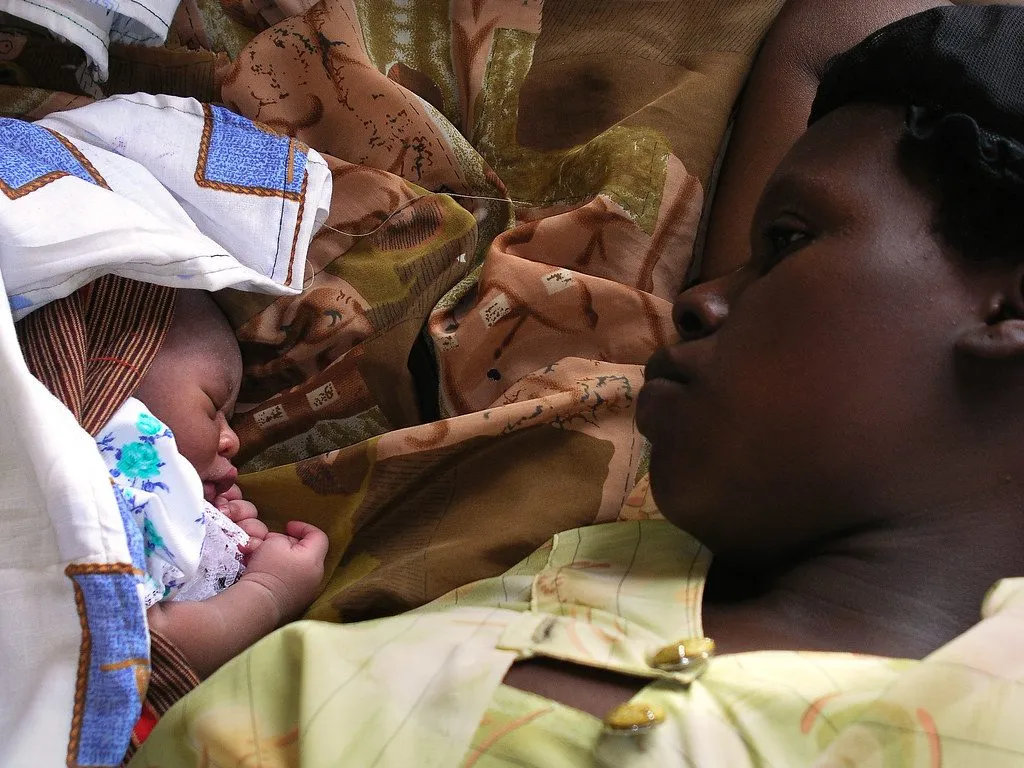
"Mommy brain." A warning. A cognitive loss. It is not a loss. It is a reallocation. New Scientist 23 reports on a decade of emerging brain research, including a study in which Emily Jacobs, a professor of neuroscience at UC Santa Barbara, scanned one woman's brain 26 times from before conception to two years after birth. What she found was not impairment but reorganization. Gray matter in the default mode network, which handles self-reflection, planning, and social cognition, shrinks during pregnancy. That shrinkage is not damage. It is pruning. "Think of Michelangelo's David," Jacobs says, "where the underlying beauty is revealed through the art of removal." The changes are linked, study after study, to how strongly mothers respond to their babies' cues and how easily they bond. The brain is not less capable. It is more specialized: faster at detecting subtle shifts in a baby's breathing, better at reading emotional cues, more attuned to threat. In unpublished work from Jacobs's lab, 97% of more than 40 parents studied showed the changes. Fathers' brains change too.
What each field noticed (2)

Parenting may permanently improve brain health for mums and dads
The piece traces specific circuits: the default mode network rewires toward caregiving; regions linked to threat detection and emotional interpretation become more responsive. A deeper implication is that parenting may protect cognitive function into later life, since the very networks that reorganize are the ones associated with Alzheimer's risk. That connection is still speculative, but Jacobs's team is actively studying it. 23
Read the storyPsychology
Lauren Mahoney, a psychologist at City University of New York quoted in the piece, offers the cleaner frame: the brain "appears to prioritise information that is relevant to caregiving, threat detection, emotional interpretation and rapid environmental monitoring." The parent has not become worse at cognition in general. She has become faster at a specific, demanding kind of it. Keys get deprioritized. The baby's breathing does not. 23


