



June 20, 2026

Young gut bacteria restore an aging brain, and solar just topped coal

6 discoveries · 14 good-news notes · 183 articles read
Natural Sci.Life Sciences

Researchers in Italy gave old mice the gut microbiomes of young mice, via fecal transplant, and then tested whether those older mice could be treated for lazy eye [16]. Normally this is only possible in early childhood, when the brain's visual cortex is still flexible.

Read the full story
TechnologyGood News

In May 2026, solar supplied 12.8 percent of US electricity. Coal supplied 12.2 percent.

Read the full story
Natural Sci.Life Sciences

Researchers in Spain and Switzerland identified a molecule called OLE, derived from a gene called PM20D1, that can restore the brain's microglia to their protective function in Alzheimer's disease models [5].

Read the full story
Natural Sci.Human Stories

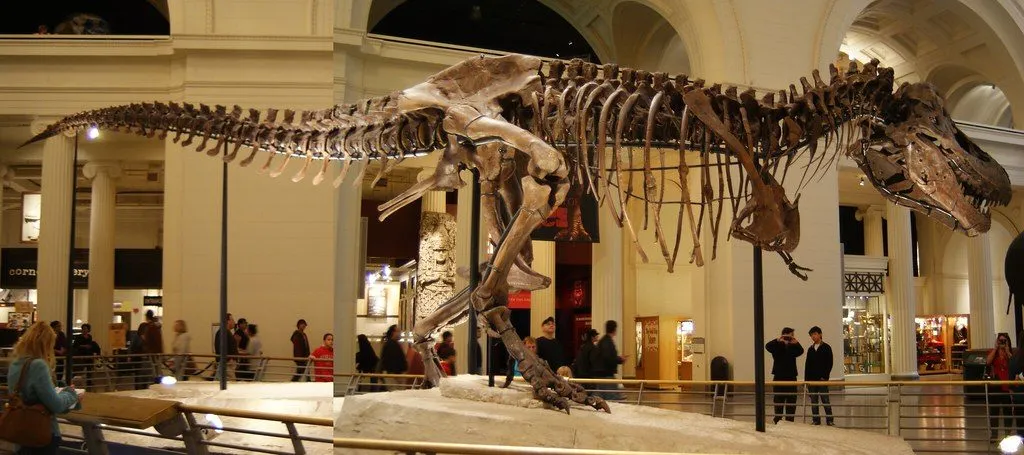
Fossilized hatchlings from the Mazon Creek site near Chicago have overturned more than 150 years of assumptions about how our vertebrate ancestors first came onto land [11].

Read the full story
Good NewsNatural Sci.Plant-Based

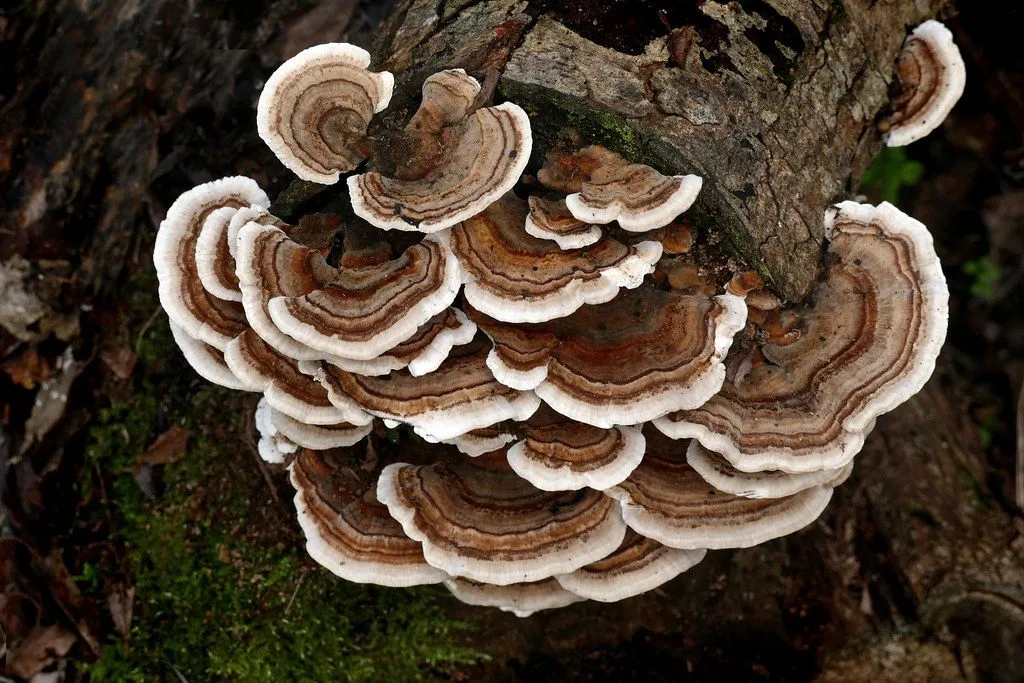
Turkey tail mushrooms, placed in bags of woodchips inoculated with their spores at the bottom of rivers in Devon and Lincolnshire, England, filtered out 80 percent of E. coli bacteria, 83 percent of phosphorous, and 35 percent of nitrogen from the water [150].

Read the full story
Good NewsLife Sciences

Kaitlin Jeffrey's hair and skin caught fire at a party in Toronto. By the time she reached Hamilton Health Sciences in Ontario, the burns on her face and neck were third-degree, and doctors were certain she would need skin grafts and permanent scarring.

Read the full story

The feel-good story of the day

girl reading textbook Spree2010 (via Openverse)

Two teenage sisters in Gaza turned rubble into building blocks, and the world noticed

Tala and Farah Mousa were 16 and 14 years old when their home in Gaza was bombed. Evacuating in a rush, Tala grabbed a bag and filled it with whatever she could reach. The last thing she threw in was her technology textbook. The day after the bombing, still in shock, she opened it. There was a lesson about making blocks from mountain stone. She looked at the rubble all around her, the jagged fragments of demolished homes and schools and streets, and thought: what if we could build from this?

The sisters developed a method to turn the concrete and masonry debris of destroyed buildings into new, usable building blocks, and submitted it to the Earth Prize competition for young environmental innovators. They won. Messages flooded in from around the world. "You gave us hope we had completely lost," people wrote. "You showed us we can be seen." When those messages arrived, Tala and Farah were still sheltering in a tent [166].

Today is World Refugee Day, set aside each year for the 120 million people currently displaced from their homes. There are many ways to mark it. One is to hold onto this image: two teenage sisters, in the worst possible circumstances, who picked up a textbook, read a lesson, looked at the wreckage of their world, and started figuring out what could be built from what had been taken [166].

The discoveries, in full

Natural Sci. Life Sciences

Gut transplants from young mice give old brains back their plasticity

Researchers in Italy gave old mice the gut microbiomes of young mice, via fecal transplant, and then tested whether those older mice could be treated for lazy eye [16].

Normally this is only possible in early childhood, when the brain's visual cortex is still flexible. In adults, that window has closed. But the old mice with young gut microbiomes responded to the treatment as if they were young animals again. Their brains had regained plasticity. The mechanism, as best as the researchers can tell, involves bacterial families like Lachnospiraceae that produce short-chain fatty acids with neuroprotective properties. Mice whose gut microbiomes had been disrupted by antibiotics showed dramatically altered gene expression in their visual cortex, more than 1,000 genes switched on or off differently, including genes related to myelination, the protective sheathing of nerves, and the integrity of the blood-brain barrier [16].

What each field noticed (2)
New Scientist

Faecal transplant makes the brains of old mice act young again

The mouse study is striking because it suggests the gut microbiome does not just influence digestion or mood. It may actually control when the brain's developmental windows open and close. Paola Tognini at the Sant'Anna School of Advanced Studies in Pisa calls the gut "an active developmental partner that helps shape neural circuit maturation" [16]. That is a much bigger claim than anyone has traditionally made about bacteria in the intestines.

Read the story
New Scientist

Can prebiotics, probiotics or postbiotics help your ageing microbiome?

The human aging side of this research traces the same mechanism in reverse. As we get older, the bacteria that ferment fiber and produce anti-inflammatory compounds gradually lose ground to more aggressive species. The gut wall weakens, pathogens slip through into the bloodstream, and a low-level systemic inflammation the researchers call "inflammaging" slowly spreads through the organs [20]. The world's oldest known person, 116-year-old María Branyas Morera, who died in 2024, had an unusually healthy gut microbiome when scientists studied her. That is not proof, but it is a pointed clue.

Read the story
Technology Good News

For the first time ever, the US made more electricity from sun than from coal

In May 2026, solar supplied 12.8 percent of US electricity. Coal supplied 12.2 percent.

For the first time in American history, the sun beat coal [128]. That made solar the third-largest source of electricity in the US, behind only natural gas and nuclear. To put the trajectory in numbers: five years ago, coal was at 19.7 percent and solar at 5.4 percent. Today those positions have essentially traded places. Solar hit an all-time monthly high of 45.5 terawatt-hours in May, up 17 percent from the same month the year before, according to data from the energy think tank Ember [128].

What each field noticed (2)
SingularityHub

Solar Beat Coal in US Electricity Mix for the First Time in May

What SingularityHub flags is that this milestone happened despite significant headwinds. New solar installations actually fell 27 percent in the first quarter of 2026 compared to the previous year, partly because of tariffs on imported solar components and the expiration of a residential tax credit. Even so, solar and battery storage together accounted for 91 percent of all new electricity-generating capacity added to the grid in that quarter [128]. The competitors are not even close.

Read the story
Natural Sci. Life Sciences

A molecule reprograms the brain's own immune cells to fight Alzheimer's

Researchers in Spain and Switzerland identified a molecule called OLE, derived from a gene called PM20D1, that can restore the brain's microglia to their protective function in Alzheimer's disease models [5].

Here is the context that makes this meaningful. Microglia are the brain's immune cells. In a healthy brain, they patrol for threats, surround amyloid plaques, and contain them. In Alzheimer's disease, they progressively lose this ability. They stop clearing plaques and can begin contributing to neuronal damage instead. Most Alzheimer's therapies have tried to target amyloid from the outside. OLE takes a different approach: it gives the brain's own cleanup cells their instructions back. After OLE treatment in animal models, microglia moved toward amyloid plaques, surrounded them, and created physical barriers limiting contact between the plaques and nearby neurons. In mice, three months of treatment reduced plaque buildup and produced better performance on memory tests. In genetically modified worms that produce amyloid, OLE reduced protein aggregates and improved movement [5]. The work was published in Cell Death and Disease.

What each field noticed (2)
ScienceDaily

Scientists reprogram brain immune cells to fight Alzheimer's

OLE comes from the PM20D1 gene, which is involved in lipid metabolism. That is a thread connecting it to the gut microbiome and aging research elsewhere in today's coverage: fatty acid chemistry appears to matter for brain immune function in more than one system [5]. The implication for medicine is that the brain's own defenses are a target worth treating, not just a bystander to manage.

Read the story
Natural Sci. Human Stories

Our earliest land-dwelling ancestors skipped the tadpole stage entirely

Fossilized hatchlings from the Mazon Creek site near Chicago have overturned more than 150 years of assumptions about how our vertebrate ancestors first came onto land [11].

Scientists had long assumed those ancestors went through a tadpole-like phase before becoming land animals, as frogs and salamanders do today. But the new fossils, from ancient crocodile-like creatures called embolomeres that ruled river and swamp habitats 350 to 280 million years ago, show no external gills or any tadpole features. The hatchlings are miniature adults. Days to a couple of weeks old, and already built like the grown animals. Looking at other fossils from the fin-to-limb transition, the researchers found no evidence of an amphibian-like life cycle there either. The study was published in Science [11].

What each field noticed (2)
Live Science

'A completely different story'

"These are intimate details of the first moments of these animals' lives, and we've never seen that before for this entire part of the evolutionary tree," said study co-author Jason Pardo of Vilnius University and the Field Museum [11]. Direct development, hatching as a miniature of the adult rather than a larva, meant early land animals avoided the most dangerous part of the amphibian life cycle. You did not need to survive as a helpless aquatic larva before becoming a land animal. Life got to skip a step.

Read the story
MIT Technology Review daily briefing [116]

Human Stories

The finding reached a general audience as a reframe of something people thought they knew: the classic tadpole-growing-up-and-walking-away model of how vertebrates colonized land, taught as a basic fact for over a century, turns out to have been wrong. The lineage that eventually produced humans took a more direct path onto land from the start.

Good News Natural Sci. Plant-Based

Mushrooms are cleaning rivers in England, filtering out 80 percent of the E. coli

Turkey tail mushrooms, placed in bags of woodchips inoculated with their spores at the bottom of rivers in Devon and Lincolnshire, England, filtered out 80 percent of E. coli bacteria, 83 percent of phosphorous, and 35 percent of nitrogen from the water [150].

The mycelium, the dense thread-like root network of the mushroom, did the work. The results were good enough that England's water regulator OFWAT gave local utility Anglian Water nearly two million dollars to scale the approach immediately. The application is simpler than it sounds: a bag of woodchips impregnated with spores, left in the river. No infrastructure, no chemicals, nothing to maintain.

What each field noticed (2)
Good News Network

Mushrooms Used to Clean E. Coli from Rivers...

"If [this work] can have a positive impact on water quality, then it's benefiting everyone," said Joshua Mercer from Anglian Water. His daughter is the reason he gives for caring: "When my daughter gets to my age, it would be great if people can just go and swim wherever they want" [150]. Good News Network also noted that turkey tail mushrooms have previously been studied for cleaning up heavy metals and nuclear radiation. The filtering ability appears to be broad.

Read the story
Good News Network [150]

Natural Sci.

The mechanism is mycoremediation. Fungal networks physically trap particles and, through enzymatic activity, chemically transform or absorb contaminants. Turkey tail (Trametes versicolor) produces enzymes that break down complex organic molecules as part of its normal ecology on decaying wood. It turns out those same enzymes work on sewage and agricultural runoff.

Good News Life Sciences

Exosomes healed a young woman's third-degree burns without skin grafts

Kaitlin Jeffrey's hair and skin caught fire at a party in Toronto. By the time she reached Hamilton Health Sciences in Ontario, the burns on her face and neck were third-degree, and doctors were certain she would need skin grafts and permanent scarring.

Burn surgeon Dr. Marc Jeschke decided to try something that had never been done in humans for burns: exosomes [151]. Exosomes are tiny particles released by cells that carry the molecular signals triggering powerful healing responses. Normally they are studied in animal models. Jeffrey needed a trillion of them. Health Canada approved the treatment on compassionate grounds. By April 29th, her face had healed entirely. The burns first appeared December 2nd [151]. She will still need grafts for remaining scarring on her neck, but the outcome was far beyond what anyone expected.

What each field noticed (2)
Good News Network

Revolutionary Treatment Heals 3rd Degree Burns...

"My vision for Kaitlin was to avoid skin graft surgery to her face and neck at any cost," Jeschke explained. A skin graft, done well, covers damage. It does not restore the skin. "For a young person, a skin graft to the face and neck can be absolutely devastating" [151]. The case is now driving urgency to develop exosome treatments further and bring down their cost, which is currently very high.

Read the story
Good News Network

Revolutionary Treatment Heals 3rd Degree Burns...

The mechanism differs from wound healing as conventionally understood. Exosomes do not replace damaged tissue. They carry molecular instructions that tell the body's remaining cells to mount an aggressive repair response. Kaitlin Jeffrey's skin appears to have rebuilt itself, rather than being covered over. Whether the result holds across different burn severities, patient ages, and wound locations is still unknown [151].

Read the story

Good news you might have missed

World's Largest 'Whale Graveyard' Teems with Deep-Sea Life Including Species Unknown to Science Scientists in a submersible 20,000 feet below the Indian Ocean found nearly 500 whale skeletons, some 5.3 million years old, surrounded by thousands of creatures, many unknown to science, suggesting whale falls may be among the deep sea's most important evolutionary hotspots [149]. Good News Network
How a Delhi Lawyer Freed 2788 Children From Bonded Labour and Took Them to School Lawyer Shekhar Mahajan has spent more than two decades rescuing children from bonded labor factories across India, including 12 children working 17-hour days found in a single hidden room in 2023, before connecting them to schools and counseling [160]. The Better India
The hidden upside of adolescent impulsivity: Teens with attention issues take more risks to help others Teenagers with ADHD are more likely than their peers to step in when someone is being bullied or take a social risk on behalf of another person, suggesting the same impulsivity that causes trouble in classrooms also fuels a stronger capacity for prosocial courage [55]. PsyPost
He Mortgaged His Wife's Jewellery to Keep This Football Club Alive. Today, It Plays in the I-League After the 2014 Kashmir floods left young people with nothing to do, two friends handed out 100 footballs and eventually built Real Kashmir FC, mortgaged jewelry to pay for it, hired an ex-Rangers defender, and saw the Snow Leopards become the first club from the Valley to reach India's top football league [162]. The Better India
HALEU deal strengthens fuel supply for five Ohio advanced reactors Oklo and Centrus signed an agreement to supply domestically produced advanced nuclear fuel to five next-generation reactors planned for southern Ohio, with deliveries expected from 2029, giving the advanced nuclear pipeline a concrete fuel supply for the first time [113]. Interesting Engineering
New plasma process converts wet coffee grounds into fuel in just 90 seconds Korean researchers turned wet coffee waste directly into high-energy biochar in 90 seconds using a plasma process that skips the usual drying stage, producing fuel with energy content close to anthracite coal and no sulfur emissions [111]. Interesting Engineering
Kevin Bacon changes name to Kevin 'Bean' to launch meat-swapping campaign 'Beansday' Actor Kevin Bacon temporarily renamed himself Kevin Bean and wore a custom bean suit to encourage people to swap meat for beans every Wednesday, partnering with Humane World for Animals in a campaign designed to reduce the estimated 97.6 billion land animals killed for food each year [147]. Vegan Food & Living
NYC Taxi Driver Gets $75,000: A Helping Hand After Knicks Fans Destroyed His Car After video went viral of Mr. Bitat Noureddine being dragged from his taxi and watching a mob smash it during Knicks championship celebrations, rapper French Montana partnered with the New York Taxi Workers Alliance to raise more than $76,000 for him from over 2,000 donors [152]. Good News Network
How a Polio Survivor Sparked a Water Revolution Across 64 Villages Abhay Todkar, whose mobility was affected by childhood polio, organized his drought-hit Maharashtra village to build a dam in 2015, created a local water source that saved millions in purchased water costs, planted 127,000 trees, and eventually helped water conservation spread to 64 surrounding villages [163]. The Better India
As LPG Prices Rise, This Bhubaneswar Café Is Cooking With Sunlight Instead A café in Odisha installed a solar cooking system that stores daytime energy for use at night and on cloudy days, runs entirely without LPG, cooks biryani and daily meals for customers, and is now being discussed as a model for India's restaurant industry [161]. The Better India
65 Organizations Urge FDA to End Routine Antibiotic Use in Livestock Operations A coalition of 65 organizations including Earthjustice and Sierra Club petitioned the FDA to ban routine antibiotic use in livestock feed, which currently accounts for more than 70 percent of US antibiotic sales and contributes to an estimated 35,000 antibiotic-resistant deaths per year [130]. Mercy For Animals
This Tea Seller Saved 15,000 Kg Of Plastic Waste A tea seller in Rajasthan started accepting plastic waste in exchange for sugar and groceries at his stall, ignored the criticism, and watched a single idea grow into a 15-village movement that has now collected 15,000 kilograms of plastic and turned it into benches, dustbins, and tree guards [165]. The Better India
Scientists Reveal Simple Trick to Communicate With Your Cat Two experiments confirmed that narrowing your eyes and blinking slowly at a cat, the way their eyes look when they are relaxed and content, makes cats significantly more likely to approach and interact with you, whether they know you or not [37]. ScienceAlert
New vision-based safety tech lets industrial robots work safely near humans A certified system called SR-1 creates continuously adjusting invisible safety zones around factory robots, letting them work alongside people without the physical cages and barriers that have separated the two for decades [112]. Interesting Engineering

Everything we read today

Natural Sciences 44 articles
Life Sciences & Medicine 7 articles
Psychology & Behavioral Science 32 articles
Psyche | Know Your Self
Social Sciences 11 articles
Technology & Innovation 34 articles
Plant-Based & Vegan 20 articles
Solutions & Good News 18 articles
Human Stories & Ideas 17 articles

Get this every morning.

Liked today's? Wake up to tomorrow's, in one short letter.

It's free for everyone, always. If it makes your mornings better, you can help keep it that way.

Monthly

One-time