


June 23, 2026

Cervical cancer hit zero in young women, and a comet from before our sun

7 discoveries · 13 good-news notes · 251 articles read
Good News

Between 2020 and 2024, not one woman between the ages of 20 and 24 in England died from cervical cancer. Zero.

Read the full story
Natural Sci.Human Stories

When interstellar comet 3I/ATLAS swept through our solar system in 2025, astronomers knew it was odd. Now, detailed analysis of observations from the James Webb Space Telescope and the ALMA radio telescope has revealed just how odd: the comet likely formed around 12 billion years ago, nearly as old as the universe...

Read the full story
Life Sciences

For decades, neuroscience held that selective attention — the ability to focus on one thing and filter out everything else — was primarily a function of the prefrontal cortex, the most recently evolved part of the primate brain. Johns Hopkins researchers just overturned a significant piece of that.

Read the full story
Life Sciences

People with psychosis were, for decades, systematically excluded from PTSD clinical trials. The concern was that confronting trauma directly might destabilize someone already experiencing hallucinations or delusions.

Read the full story
Natural Sci.

Nearly 150,000 nurses and other health professionals enrolled in three long-running US studies and answered health questionnaires every couple of years for up to 30 years. Close to 36,000 of them died during that time, which gave researchers a clean mortality signal [62].

Read the full story
Psychology

SSRIs have been approved to treat obsessive-compulsive disorder for decades. Nobody fully understood why they worked.

Read the full story
Plant-Based

Colombia passed a first-of-its-kind national law requiring every piece of beef sold in the country to be traceable all the way back to the individual animal's birthplace [194]. The law was triggered after campaign investigators found that Colombian supermarkets were unknowingly stocking beef from cattle raised on...

Read the full story

The feel-good story of the day

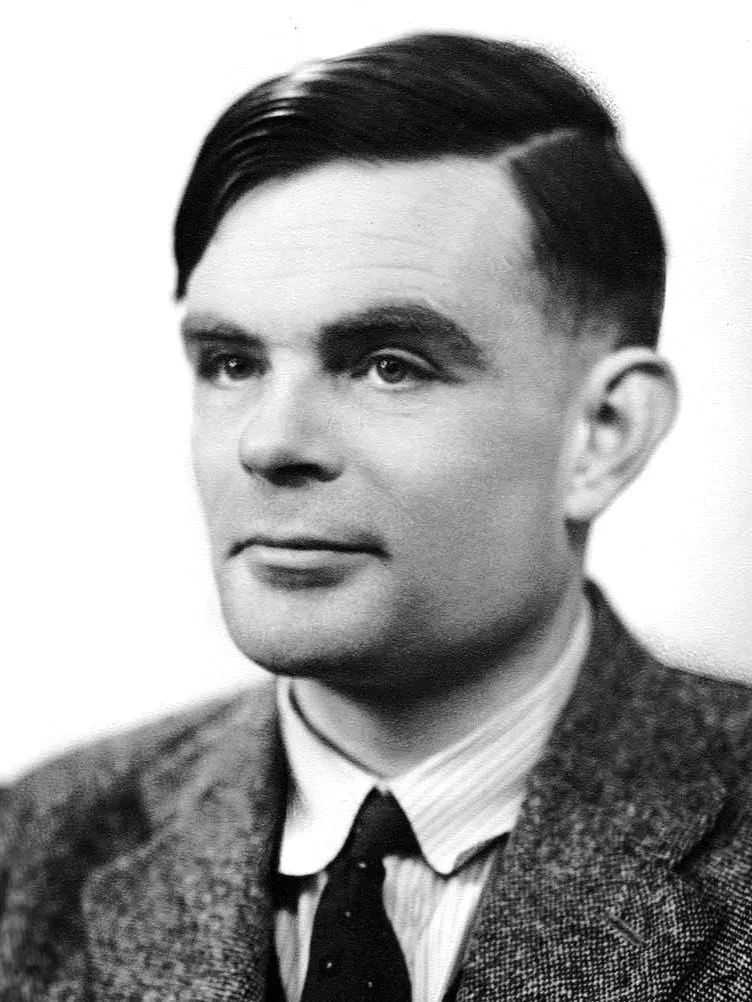
Alan Turing Wikimedia Commons / Alan Turing

The man who asked "Can machines think?" was born 114 years ago today

Alan Turing was born June 23, 1912, in Maida Vale, London. He was the kind of child who cycled to school by tracking the sun's position rather than knowing the roads, who once navigated 60 miles to a friend's house using only a map and the stars, and who later — quietly, at a wartime facility called Bletchley Park — built the machines that cracked the German Enigma cipher. Historians estimate the work shortened World War II in Europe by two to four years and saved an incalculable number of lives.

What Turing is remembered for today is a 1950 paper called "Computing Machinery and Intelligence," in which he posed the simplest possible version of a very large question: can a machine think? He did not try to answer it directly. He proposed instead a practical test — if a machine could hold a conversation indistinguishable from a human one, that was evidence enough. The Turing test has been debated for 75 years and counting, and 2026 marks the 70th anniversary of the formal founding of artificial intelligence as a field, at the Dartmouth conference in 1956.

Turing was prosecuted in 1952 under British law for a relationship with another man. He was chemically castrated as an alternative to prison. He died in June 1954, at 41. In 2013, the Queen granted him a posthumous royal pardon. The things he set in motion — modern cryptography, the theory of computation, machine learning, the very concept of software — did not need a pardon. They just kept going.

The discoveries, in full

Good News

The HPV Vaccine's 18-Year Payoff

Between 2020 and 2024, not one woman between the ages of 20 and 24 in England died from cervical cancer. Zero.

The first such five-year window in the country's recorded history [231]. The girls who received the HPV vaccine at ages 12 and 13 starting in 2008 are now in their late 20s. Researchers at Queen Mary University of London, publishing in The Lancet, calculated that roughly 23 deaths would have occurred in that age group over those five years without vaccination. About 200 lives have been saved since the program launched. "It's incredible to think that a single jab can almost eliminate a particular type of cancer," said Professor Peter Sasieni, who led the study [231].

What each field noticed (1)
The Optimist Daily

HPV vaccine brings cervical cancer deaths to near zero

The number that stops you is zero. Not "lower" or "significantly reduced" — zero. In every prior five-year period on record, deaths in that age group fell somewhere between five and 27. The decline tracks almost exactly with who was old enough to be in the first vaccinated cohort in 2008. "As vaccinated generations grow older, we'll see many more lives saved from cervical cancer," Sasieni said, calling the current results "the tip of the iceberg" [231].

Read the story
Natural Sci. Human Stories

A Visitor From Before Our Sun

When interstellar comet 3I/ATLAS swept through our solar system in 2025, astronomers knew it was odd. Now, detailed analysis of observations from the James Webb Space Telescope and the ALMA radio telescope has revealed just how odd: the comet likely formed around 12 billion years ago, nearly as old as the universe itself [65].

The isotope ratios are the giveaway. Its water carries an unusual abundance of deuterium, or heavy hydrogen. Its carbon isotopes match nothing in our solar system, in nearby star-forming regions, or in meteorites. "Suddenly, we are no longer asking 'is this a comet?'", said molecular astrophysicist Martin Cordiner of NASA Goddard, "but 'what can this unique object tell us about the history of our galaxy?'" [65]

What each field noticed (2)
ScienceAlert

The Chemistry of Interstellar Comet 3I/ATLAS Is Unlike Anything We've Ever Seen

The chemistry is specific and strange. The deuterium-to-hydrogen ratio places the comet's origin in an environment far colder and more primordial than where our sun was born. The carbon isotopes are unlike those of Solar System comets, planets, meteorites, or most nearby star-forming regions. Velocity measurements put its age between 3 and 11 billion years; the isotopic data nudge that toward 12 billion. It formed somewhere else entirely, in deep time [65].

Read the story
Big Think

Yes, interstellar comet 3I/ATLAS is older than the Solar System

Big Think traced the conceptual arc: from the first detection in July 2025 to what the isotopes now tell us. The orbital mechanics alone were enough to confirm it was not from here — 3I/ATLAS moved far too fast, from a direction no gravitational slingshot in our system could explain [247]. The more striking point is the scale of what just happened: humanity received a visitor from an era before our sun existed, caught it in the light of a space telescope, and extracted a birth record. That is new [247].

Read the story
Life Sciences

The Ancient Brainstem Switch for Attention

For decades, neuroscience held that selective attention — the ability to focus on one thing and filter out everything else — was primarily a function of the prefrontal cortex, the most recently evolved part of the primate brain.

Johns Hopkins researchers just overturned a significant piece of that. A circuit of inhibitory neurons in the brainstem, a structure all vertebrates share, turns out to be a foundational attention engine [77]. When they silenced these specific neurons in mice, the animals became hyper-distractible to even faint peripheral stimuli. That is exactly the hallmark behavior of ADHD. When they reactivated the neurons the next day, the same animals could once again ignore strong distractions. Vision and motor control were unaffected throughout. The impairment was purely attentional [77].

What each field noticed (1)
Neuroscience News

Ancient Brainstem Neurons Discovered to Control Attention

The brainstem circuit predates the prefrontal cortex by hundreds of millions of years, which explains a puzzle that had lingered: how do fish, birds, and reptiles manage focused attention without a prefrontal cortex? They use this. "A hallmark of ADHD is that even faint distractors draw attention away — and that's exactly what we see here when these neurons are silenced," said senior author Shreesh Mysore. "But the very next day, when the neurons are turned back on, the same animal can ignore distractors again, even very strong ones." The research was published in Nature Communications and selected as an editorial highlight [77].

Read the story
Life Sciences

Trauma Therapy Works for People With Psychosis. It Took 50 Years to Test.

People with psychosis were, for decades, systematically excluded from PTSD clinical trials. The concern was that confronting trauma directly might destabilize someone already experiencing hallucinations or delusions.

The STAR trial at King's College London — 305 participants, five UK sites, five years, the largest randomized controlled trial of its kind ever conducted — just proved that concern wrong [82]. Participants received integrated therapy combining trauma-focused cognitive behavioral therapy with standard cognitive therapy for psychosis. Fifty percent of the treatment group no longer met clinical criteria for PTSD at the end of the study, compared to just over 20% in standard care. The trial recorded a disengagement rate of only 6.5%, remarkably low for a heavily traumatized population. Improvements appeared across 22 of 27 clinical outcomes, including depression, anxiety, suicidal ideation, paranoia, and hallucinations [82].

What each field noticed (1)
Neuroscience News

Trauma Therapy Reverses PTSD in Psychosis Patients

People with psychosis develop PTSD at up to five times the rate of the general population, and their trauma is often entangled with their psychosis — traumatic events frequently shape the content of delusions and hallucinations. By avoiding trauma treatment in this group, clinicians left an enormous compounding burden unaddressed. The study, published in The Lancet Psychiatry, is now being scaled through a clinic at the South London and Maudsley NHS Trust, with people who went through the trial helping to co-deliver treatment training [82].

Read the story
Natural Sci.

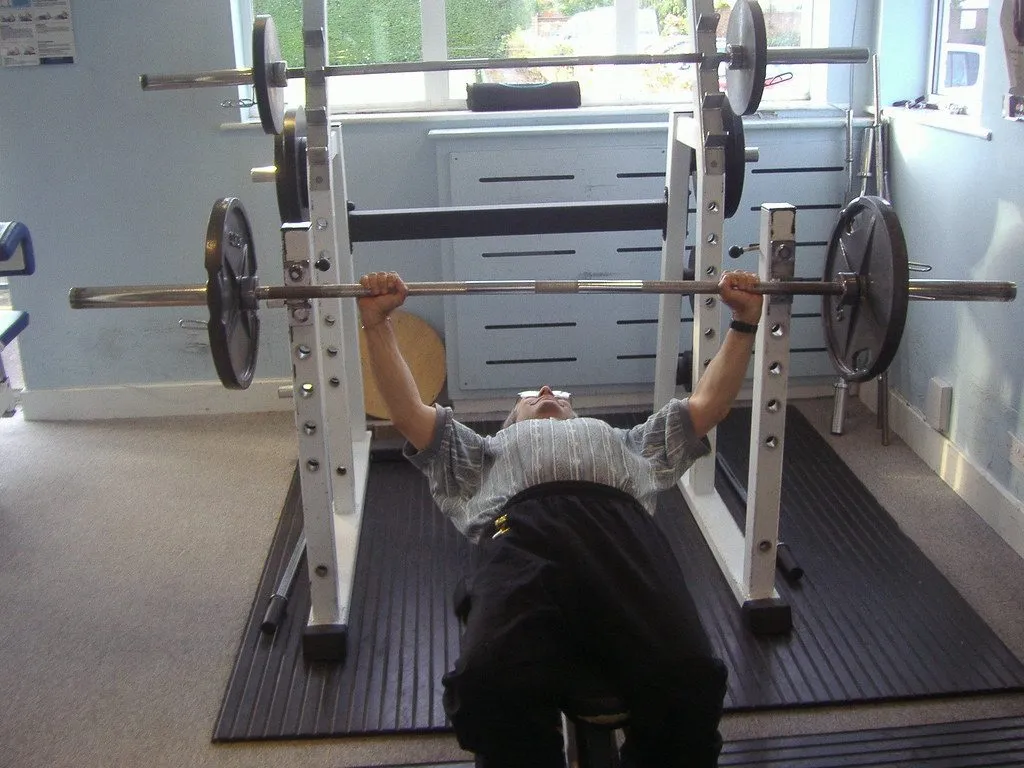
90 Minutes of Strength Training Per Week, Over 30 Years

Nearly 150,000 nurses and other health professionals enrolled in three long-running US studies and answered health questionnaires every couple of years for up to 30 years.

Close to 36,000 of them died during that time, which gave researchers a clean mortality signal [62]. People who did around 90 to 120 minutes of strength training per week — an hour and a half to two hours — had about 13% lower risk of dying from any cause compared to those who did none. The benefit was sharpest for cardiovascular disease, at 19% lower risk, and for neurological conditions — mainly dementia — at 27% lower risk. Beyond about two hours per week, the benefit did not increase further. People who combined 90 to 120 minutes of strength training with at least 150 minutes of moderate aerobic activity saw total mortality risk fall by around 45% [62].

What each field noticed (1)
ScienceAlert

Strength Training Is Linked to Longevity, 30-Year Study Finds

The mechanism connects through muscle's role in metabolism. Skeletal muscle absorbs about 80% of the glucose circulating in the blood after a meal. Keeping it strong and plentiful helps the body manage blood sugar and protects against type 2 diabetes, itself a major driver of cardiovascular mortality. Muscles also release hormone-like messengers called myokines when they contract — some of which appear to have protective effects on the brain, which may help explain the striking 27% lower dementia risk in regular strength trainers [62].

Read the story
Psychology

Serotonin Helps the Brain Let Go of Old Beliefs

SSRIs have been approved to treat obsessive-compulsive disorder for decades. Nobody fully understood why they worked.

A study at the University of Lisbon, published in Nature Mental Health, offers a clear mechanism: serotonin reduces what the researchers call "belief stickiness," the tendency to hold onto a model of how the world works even when the evidence says it has changed [112]. In an experiment with 50 healthy adult men, those who received an SSRI were significantly better at updating their behavior when the rules of a task shifted without warning. The placebo group kept acting on their old belief well after new evidence rendered it wrong. People with higher OCD-related trait scores showed more belief stickiness to begin with, and the SSRI specifically reduced that rigidity [112].

What each field noticed (1)
PsyPost

Neuroscientists uncover how serotonin alters 'belief stickiness'

The researchers reframed OCD not as a disorder of intrusive thoughts per se, but as a disorder of inference — the mind keeps treating old states of the world as current. Serotonin helps the brain run what they call state inference: figuring out from available evidence what situation you are actually in right now. Raise serotonin levels and the brain becomes more willing to accept that the thing it feared, or the ritual it was performing, no longer fits the current reality. That is why SSRIs help OCD specifically, and why they tend to need weeks to work: the brain has to update a belief, not simply suppress a symptom [112].

Read the story
Plant-Based

Colombia Made Every Piece of Beef Traceable to Its Birthplace

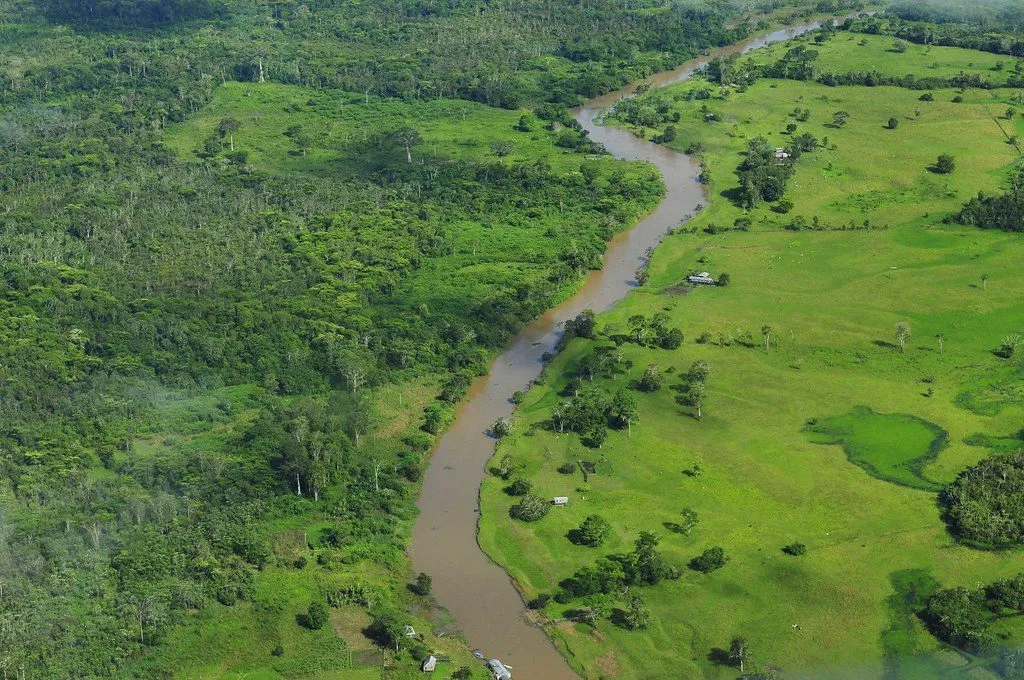
Colombia passed a first-of-its-kind national law requiring every piece of beef sold in the country to be traceable all the way back to the individual animal's birthplace [194].

The law was triggered after campaign investigators found that Colombian supermarkets were unknowingly stocking beef from cattle raised on illegally deforested land inside the country's national parks. Between 2020 and 2024 alone, according to the Environmental Investigation Agency, more than 200,000 cattle were sourced from protected areas. The law will be phased in over two years and will reach every link in the supply chain: auction houses, slaughterhouses, and retailers all carry accountability [194].

What each field noticed (1)
One Green Planet

Colombia's Landmark Beef Traceability Law Could Change the Future of the Amazon

There is a dimension most coverage of this law misses. Armed groups connected to drug trafficking routinely charge ranchers a per-cow fee for "protection," with illegal forest clearing often happening at their direction. Tracing cattle back to their origins directly threatens that revenue stream. The law does not just address the environmental cost of deforestation — it disrupts a criminal economy built on the Amazon's disappearance. Enforcement will be the real test, and it will require meaningful surveillance in high-risk areas and clear definitions of what constitutes a deforestation-free producer [194].

Read the story

Good news you might have missed

Lupus patients sent into remission by CAR T-cell therapy Five of nine patients with lupus nephritis, a life-threatening autoimmune condition, went into full clinical remission after CAR T-cell therapy at University College London Hospital — including Katie Tinkler, who has since danced at her daughter's wedding and gone Alpine skiing for the first time in her life [217]. Good News Network
'Stonehenge Prototype' found 3 miles from Stonehenge Archaeologist Phil Harding discovered a stone-age monument dated to 2,950 BCE in Wiltshire, with two massive wooden-post holes placed 120 meters apart along a line that aligns almost exactly to the midsummer sunrise — built 500 years before Stonehenge's famous trilithons, possibly a trial run for the real thing [215]. Good News Network
New walking shark species discovered in Papua New Guinea Divers found the 10th known species of "walking shark" — tiny carpet sharks that use their fins to move along shallow reefs — and named it Hemiscyllium dudgeonae after researcher Christine Dudgeon; once spotted, the team found 12 more individuals at three sites within two days [13]. Live Science
Cape Verde goalkeeper's mother made her first trip abroad to watch her son play at the World Cup After goalkeeper Vozinha spoke tearfully about wishing his mother could attend, strangers, FIFA officials, US State Department staff, and Cape Verde's football federation worked together to resolve visa barriers and fly Ana Candida Evora to Miami — her very first time leaving Cape Verde [219]. Sunny Skyz
Paralyzed pigs walked again after spinal cord fusion treatment A Russian research team found that injecting a fusogen made of polyethylene glycol and chitosan into the injury site of pigs with completely severed spinal cords allowed all three treated animals to walk by day 60, with axon-like bridges forming across the lesion — a result no one expected to see [32]. New Scientist
One office day per month boosted remote team productivity by 7.8% A nine-month randomized controlled trial with 248 remote customer-service workers in Turkey found that one designated in-person day per month gradually lifted individual productivity by 7.8%, with the gains persisting even after the intervention ended and everyone returned to fully remote work [120]. VoxEU
Brain encodes surprises like an urgent software update Australian researchers found that the brain responds to unexpected events by immediately redirecting energy toward gathering dense sensory data and updating its internal model of the world, encoding surprising events with significantly greater spatial precision and vividness than expected ones — which is why shocks are remembered more clearly than routines [80]. Neuroscience News
New Zealand cave reveals million-year-old lost world of birds and frogs A cave near Waitomo yielded fossils of 12 bird species and 4 frog species from roughly 1 million years ago, including what may be a flying ancestor of the kākāpō, showing that volcanic eruptions and climate upheaval were reshaping the country's wildlife long before humans arrived [1]. ScienceDaily
Vegan cookbook celebrating Indigenous Mexican food won a James Beard Award Dora Ramírez won the James Beard Award for Vegetable-Focused Cooking for Comida Casera, a book of more than 100 plant-based Indigenous and traditional Mexican recipes described by supporters as feeling "like an embrace" — the latest in a string of vegan wins at the most prestigious food media awards in the US [204]. VegNews
Kyra's Law requiring courts to prioritize child safety in custody cases passed both chambers in New York After a decade of campaigning by mother Jacqueline Franchetti, following the murder of her daughter Kyra during a custody dispute where the judge had ruled the father low-risk despite documented stalking, New York passed legislation making child safety the primary consideration in custody decisions [216]. Good News Network
Adivasi village in Maharashtra built a Rs 3.4 crore bamboo economy from community forest rights The Gond Adivasi community of Pachgaon secured legal rights over 1,006 hectares of ancestral forest in 2012, then built a bamboo enterprise that generated about Rs 34 lakh annually over ten years, reinvesting the profits into local education and infrastructure and effectively ending the migration that once forced families to leave for work in other states [221]. The Better India
Positive conversations leave a temporary neural echo in both mother and child A hyperscanning study of 55 mother-child pairs found that a single positive face-to-face conversation temporarily synchronized neural activity in the fronto-temporal networks of both people even after the conversation ended, which the researchers suggest is a mechanism through which ordinary daily interactions gradually build long-term brain structure in children [107]. PsyPost
SpinalCord fusion let paralyzed pigs recover pelvic control in 60 days, while NASA prepares to rescue an aging telescope with a robot tug Also from the Nature science desk: engineers are preparing to boost the Neil Gehrels Swift Observatory — still producing good science from 370 km up — to a higher orbit using a small robotic spacecraft, which would be the first time a science satellite has been rescued this way and a proof of concept for eventually extending Hubble's life [22]. Nature

Everything we read today

Natural Sciences 72 articles
PLOS One
Life Sciences & Medicine 30 articles
Psychology & Behavioral Science 11 articles
Social Sciences 20 articles
Works in Progress RSS Feed
Technology & Innovation 45 articles
Plant-Based & Vegan 34 articles
The Vegan Society - One world. Many lives. Our choice.
Solutions & Good News 30 articles
Human Stories & Ideas 9 articles

Get this every morning.

Liked today's? Wake up to tomorrow's, in one short letter.

It's free for everyone, always. If it makes your mornings better, you can help keep it that way.

Monthly

One-time