


Mammals Can Regenerate, They Just Need Asking
Salamanders can regrow entire limbs. Mammals, the textbooks have long said, cannot.
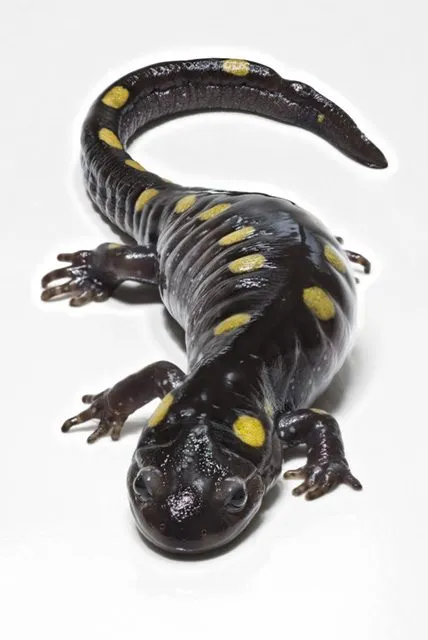
But a team at Texas A&M's College of Veterinary Medicine now has evidence that the limitation isn't absolute. In a study published in Nature Communications, they show that the mammalian healing system has two paths: the one it almost always takes, closing a wound with scar tissue, and one it almost never takes, building a blastema, the cellular foundation that regenerative animals use to grow new tissue. By applying a growth factor called FGF2 to a wound after it has healed over, the researchers redirected fibroblasts away from scarring and toward blastema formation. A second molecule guided those cells toward rebuilding bone, joint structures, and ligament. In mouse models, the regrown tissues weren't perfect, but they were real: bone, joints, and connective tissue where the amputation had been. 2
What each field noticed (1)

Humans may have hidden regenerative powers
The lead researcher, Ken Muneoka, has been asking this question since graduate school. His lab's answer is that mammals can regenerate, with help. The two-stage treatment doesn't implant anything foreign; it asks the cells already at the wound site to do something they are capable of but don't normally choose. "Why some animals can regenerate and others, particularly humans, can't is a big question that has been asked since Aristotle," Muneoka said. The scar-versus-blastema decision is where the story lives. 2
Read the story


