

The daily brief · October 25, 2026

A melanoma vaccine made from the tumour, and reefs that grow without rats

Several things got repaired today, from the spines on a stressed neuron to the sand under a seabird colony.

  • 7 Discoveries
  • 119 Articles read
  • 26 Sources
  • 10 Min read

Today’s discoveries

Everything this morning found, in the order we would read it.

7 stories
  1. 01 Good News A melanoma vaccine built from the patient's own tumour A phase 3 trial called INTerpath-001 randomised 1,137 adults whose melanoma, stage IIB to IV, had been completely cut out, across 157 centres. Source: The Bright Side 1 min read
  2. 02 Good News Islands without rats grow their reefs faster Nicholas A. Source: The Bright Side 1 min read
  3. 03 Good News Teach a few households and the neighbours can lose their ties Between November 2016 and August 2018, community health workers taught maternal, newborn and child health in 110 remote Honduran villages, covering 8,331 people. Source: The Bright Side 1 min read
  4. 04 Life Sciences Psilocybin rebuilds lost synapses, and the trip may not be needed Researchers at the University of California, Santa Cruz used two-photon microscopy to watch individual dendritic spines, the tiny receiving docks on neurons, in the living brains of mice… Source: Neuroscience News 1 min read
  5. 05 Natural Sci. Bennu's grains share a family tree with Ryugu and rare meteorites OSIRIS-REx dropped about 120 grams of Bennu into the Utah desert on 23 September 2023. Source: Latest Science News, ScienceDaily 1 min read
  6. 06 Natural Sci. Squid rewrite their proteins on the fly Humans edit some of their RNA too, but coleoid cephalopods, the squid, octopus and cuttlefish, do it on a scale nothing else matches. Source: ScienceAlert 1 min read
  7. 07 Life Sciences Antibody patterns in blood appear a decade before bowel disease Researchers examined 2,000 blood serum samples from 500 people: 200 who later developed Crohn's disease, 200 who developed ulcerative colitis, and 100 healthy controls. Source: Latest Science News, ScienceDaily 1 min read

The feel-good story of the day

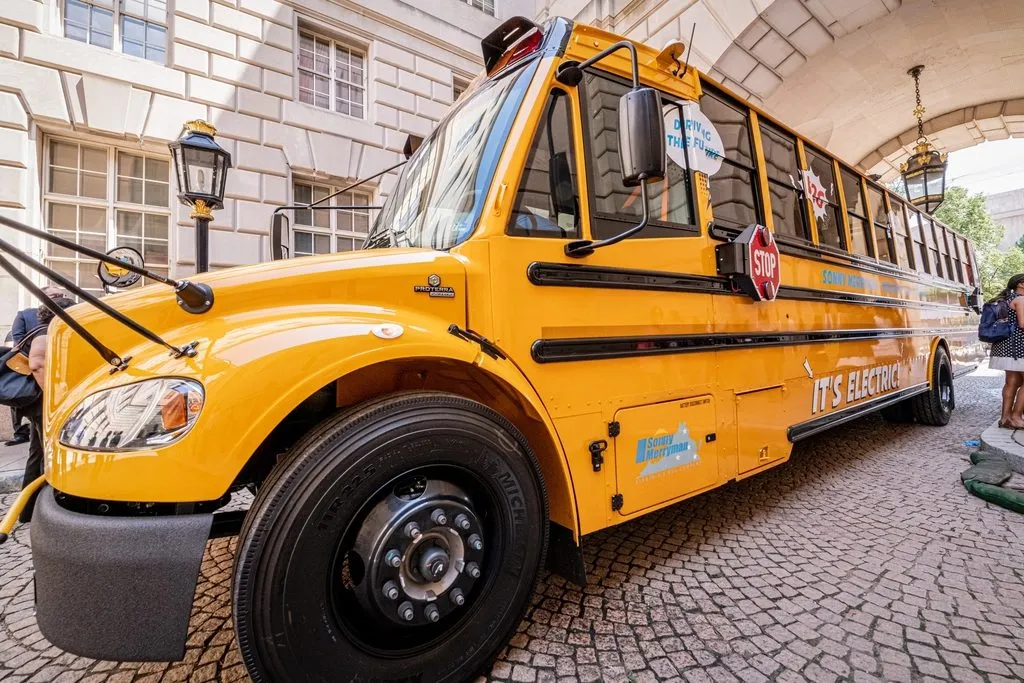
a yellow school bus usepa (via rawpixel)
Pictured a yellow school bus

The man on his break who found the brake

On Monday, 19 October, about 3:17 in the afternoon, Ebro Ahmed was kicking a football outside his family's corner shop in the Dayton's Bluff neighbourhood of St. Paul. Business was slow. He is 27, and he grew up in St. Paul after coming from Eritrea. A Battle Creek Middle School bus rolled past with its door open and its crossing arm out, and he could see the driver having a seizure.

He ran and jumped on. He tried to put the bus in park, hit reverse by accident, then found neutral and pulled the parking brake. The stop took under 15 seconds, and the shop's cameras caught all of it. He called police and stayed with the driver until paramedics arrived. Nobody was reported hurt, and the driver was home and resting by Wednesday. Ahmed counted 18 children aboard; the Pioneer Press reported 19, and the district roster is not public.

Ahmed has no medical training. He told reporters Grey's Anatomy helped him stay calm, even while he couldn't stop shaking afterward, and that he would not have asked for recognition. On Thursday, a visitor brought a $1,000 cheque to the shop. Most people who see a bus in trouble are not standing next to the door. He was, and he moved.

Today’s complete edition

The discoveries, in full

Read the evidence, what it changes, and the reporting behind each of today’s 7 discoveries.

01/07 Good News

A melanoma vaccine built from the patient's own tumour

A phase 3 trial called INTerpath-001 randomised 1,137 adults whose melanoma, stage IIB to IV, had been completely cut out, across 157 centres. Everyone got pembrolizumab, the immunotherapy already used after surgery.

Today Got Better

Two out of three also got intismeran autogene, a vaccine made from the mutations in that person's own removed tumour; the rest got a placebo. At a median follow-up of 24.6 months, the vaccine group had a 42 percent lower risk of recurrence or death (hazard ratio 0.58, 95 percent confidence interval 0.45 to 0.75). At two years, 82.2 percent were alive and cancer-free, against 70.0 percent on pembrolizumab alone. The risk of distant spread or death fell 38 percent, with 88.5 percent versus 80.2 percent free of distant metastasis at two years 113. Georgina V. Long of the Melanoma Institute Australia presented the data at the European Society for Medical Oncology meeting in Madrid on 24 October 113108.

02/07 Good News

Islands without rats grow their reefs faster

Nicholas A. J.

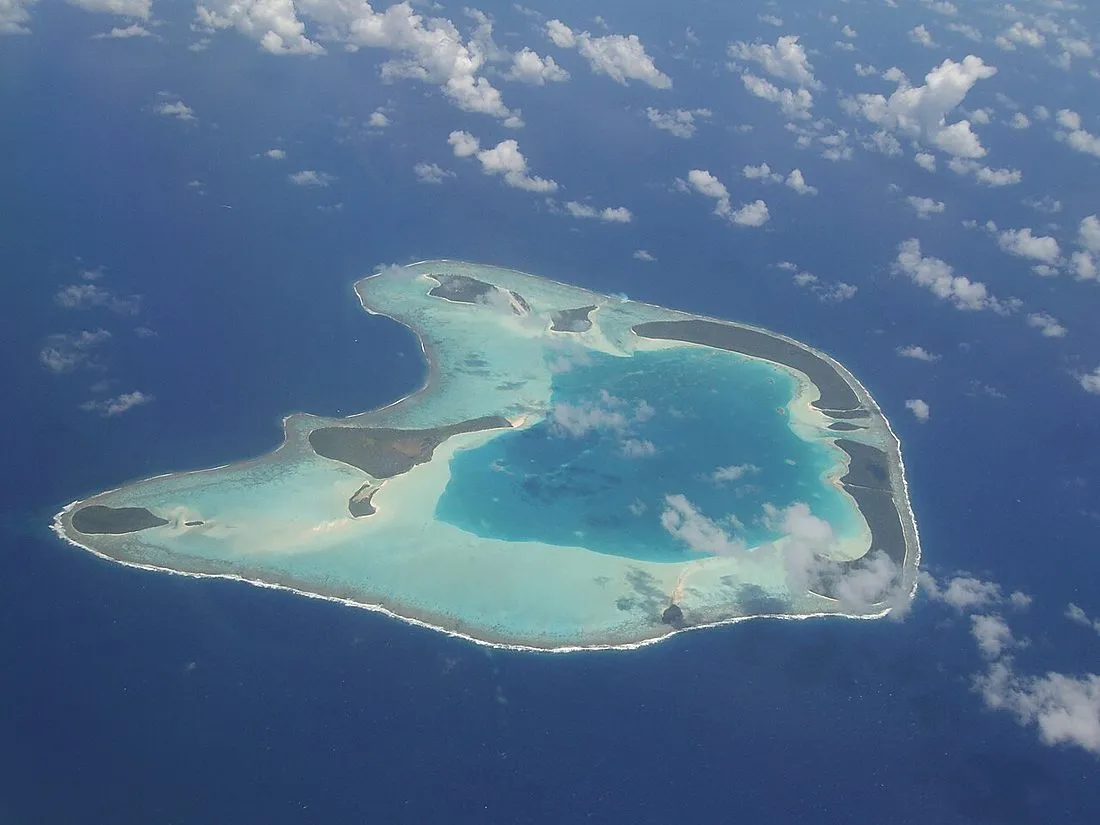
Teti'aroa atoll
Pictured Teti'aroa atoll · Supertoff (Wikimedia Commons)

Graham of Lancaster University and colleagues studied 28 atoll islands in the Seychelles, the Chagos Archipelago and Teti'aroa. Rats arrived by ship and emptied many seabird colonies. Seabirds feed at sea and drop the nutrients on the island and the reef around it; without them, as the write-up puts it, the engine idles. Around rat-free islands, reef accretion was about 1.8 times higher on lagoon reefs and about 2.5 times higher on ocean-facing reefs, and sediment production was 2.3 to 2.8 times higher. Sites with high native vegetation had an estimated 4.6-fold greater fine-root length, which matters because coconut plantations do not hold sand the way native forest does. The study appeared in Science Advances on 14 October 112.

03/07 Good News

Teach a few households and the neighbours can lose their ties

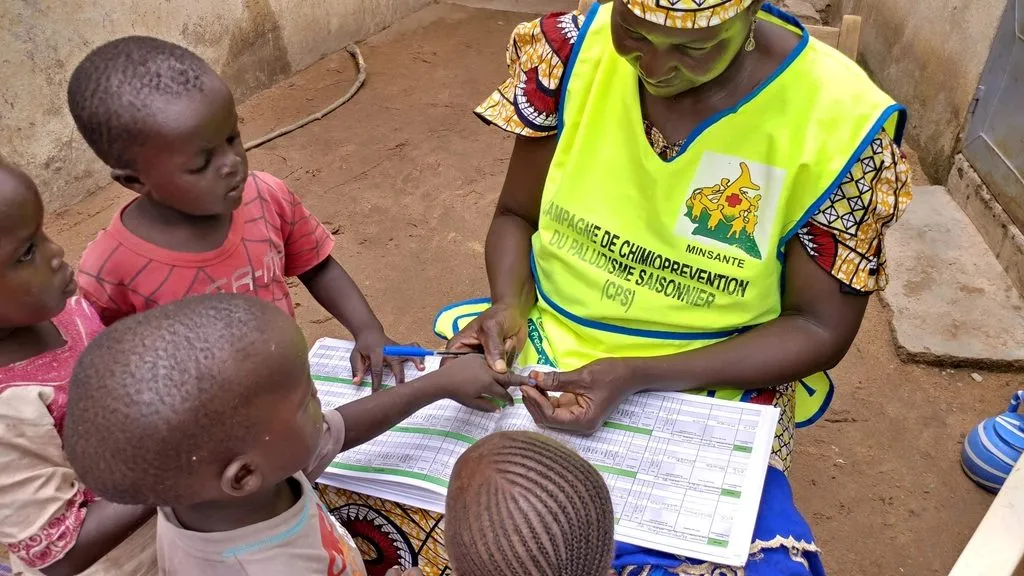
Between November 2016 and August 2018, community health workers taught maternal, newborn and child health in 110 remote Honduran villages, covering 8,331 people. Some villages got no classes.

a community health worker visiting a rural village
Pictured a community health worker visiting a rural village · Unknown (via rawpixel)

In others 5 to 30 percent of households were taught, and in others half to all of them. Nicholas Christakis, Marios Papamichalis and Laura Forastiere at Yale, with Edoardo Airoldi of Temple, mapped who asked whom for health advice, who was friends and who lent money, before and after. In low-dose villages, people who took the classes tended to drop untreated neighbours they used to ask. In high-dose villages, treated people added ties, and friendship and money links moved with the health links. A subset of 56 villages still showed the pattern three years after the classes ended. The paper is in Nature, dated 14 October 111.

04/07 Life Sciences

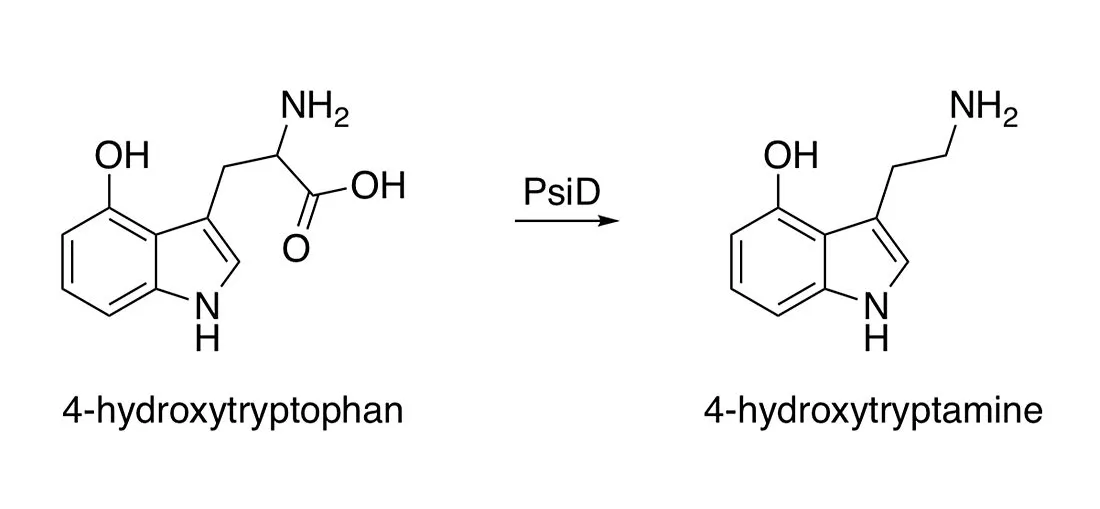
Psilocybin rebuilds lost synapses, and the trip may not be needed

Researchers at the University of California, Santa Cruz used two-photon microscopy to watch individual dendritic spines, the tiny receiving docks on neurons, in the living brains of mice after psilocybin.

psilocybin mushrooms
Pictured psilocybin mushrooms · Ccdietz (Wikimedia Commons)

Within 24 hours there was a surge of new spines, and fragile "stubby" ones matured into stable, receptor-dense "mushroom" spines that persisted for weeks. In healthy brains psilocybin pruned some older connections to keep the circuit balanced. In chronically stressed brains, where synapses had been decaying, it produced an even bigger burst of new spines and blocked excess synapse loss. The work is in Nature Neuroscience 32.

05/07 Natural Sci.

Bennu's grains share a family tree with Ryugu and rare meteorites

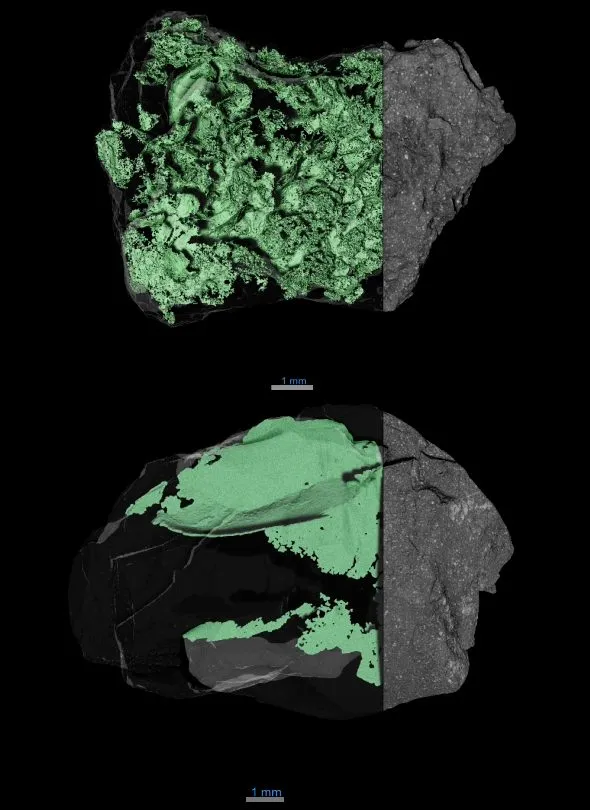
OSIRIS-REx dropped about 120 grams of Bennu into the Utah desert on 23 September 2023. Maria Schönbächler's lab at ETH Zurich received half a gram of it and measured isotopes of iron, titanium and chromium, which act as a chemical fingerprint.

Bennu asteroid
Pictured Bennu asteroid · NASA/Scott Eckley (Wikimedia Commons)

Iron and titanium were spread remarkably evenly through the material. Bennu, the asteroid Ryugu and a rare group of carbon-rich meteorites called CI meteorites share strikingly similar fingerprints, which points to a common reservoir of ancient cosmic dust. The analysis, in Science Advances, also gives evidence that Jupiter helped shape the material Bennu and other ancient objects formed from, and it challenges earlier theories about where the asteroid was born 2.

06/07 Natural Sci.

Squid rewrite their proteins on the fly

Humans edit some of their RNA too, but coleoid cephalopods, the squid, octopus and cuttlefish, do it on a scale nothing else matches. A team led by UCSF bioscientists, publishing in Cell, examined the proteome of the longfin inshore squid (Doryteuthis pealeii), roughly 24,000 proteins.

Squid rewrite their proteins on the fly
Unknown (via rawpixel)

They looked at nearly 8,000 edited sites across more than 2,000 proteins in two tissues: the optic lobe and the gills. First author Jack Moen listed effects on protein activity, stability, localization and how proteins interact, extending to the health of organelles. Moen's summary: the animals generate proteins with different properties "all without changing their DNA." The optic lobe, which handles sight and response, showed more frequent and more complex editing than the gills 27.

07/07 Life Sciences

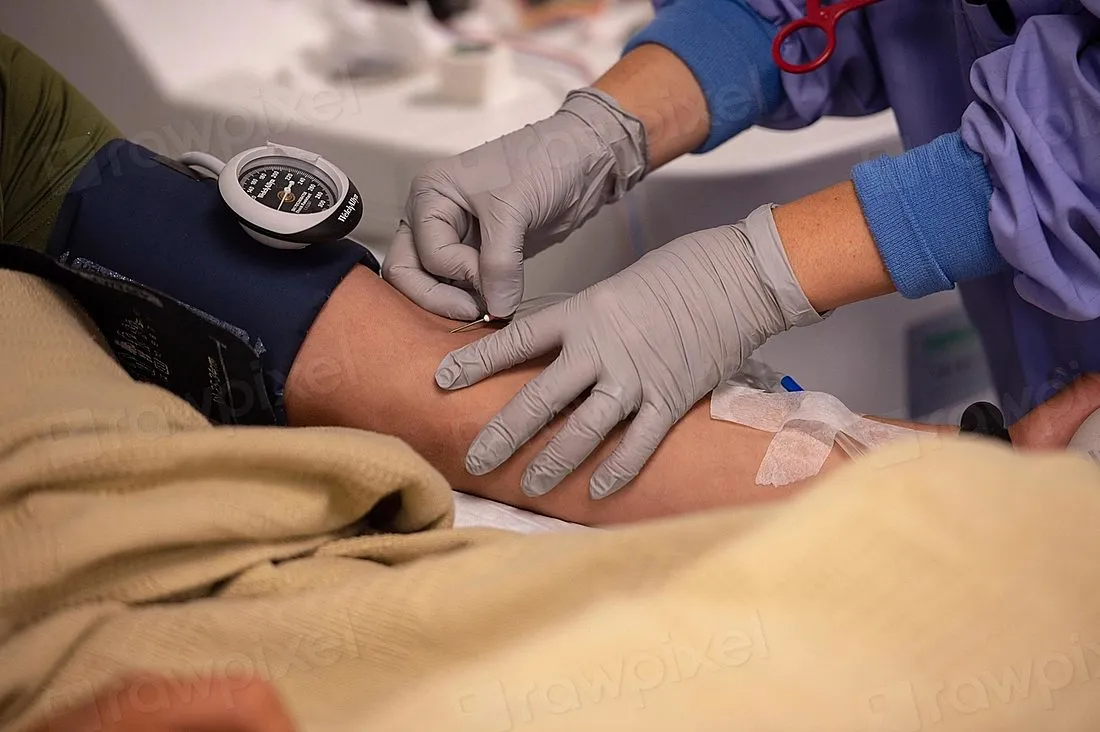
Antibody patterns in blood appear a decade before bowel disease

Researchers examined 2,000 blood serum samples from 500 people: 200 who later developed Crohn's disease, 200 who developed ulcerative colitis, and 100 healthy controls.

a nurse drawing blood from a patient
Pictured a nurse drawing blood from a patient · U.S. Navy Medicine (via rawpixel)

Samples were available at diagnosis and about two, four and 10 years before. The team tested antibody reactions to roughly 357,000 antigens from bacteria, viruses, food and the body itself, and found 123,980 unique antibodies across the samples. People who later developed either disease had less antibody diversity than healthy participants, and distinct changes showed up as far back as 10 years before diagnosis. Crohn's and ulcerative colitis carried different signatures 7.

Quick notes

Shorter discoveries from this morning, worth knowing but not a full story.

New U.S. National Park Preserves 'Land of Standing-Up Rocks' and its Apache Culture in Arizona Chiricahua became America's 64th national park, with rhyolite spires from a 27-million-year-old eruption, and the law tells the Park Service to keep traditional sites open to tribal members, even though no acres were added 100109. Good News Network
One Drip, No Number Yet Prime Medicine has dosed the first person with an intravenous prime-editing infusion for Wilson disease, the first known use of the technique inside a human body, with first results due in 2027 110. The Bright Side
Wrong Turn Leads Stranger To Save Georgia Family Of 14 A GPS error sent a stranger named Casey down a Georgia highway he had never driven, where he spotted a burning house and woke a sleeping family of 14, who all got out 103. Sunny Skyz
'People Saw Her Diagnosis Before They Saw Her': How a Mother Built a Platform for Artists With Disabilities Shweta Runwal began with a stick-figure drawing her daughter Dhriti made to explain a friend moving away, and built Tickle Your Art, which turns the work of artists with Down syndrome into products and books 104. The Better India
Star Clusters in Van Gogh's Starry Night Matches Taurus Sky From July 1889, Shows Study A Korean team used shape analysis to match the painted stars to the Hyades in Taurus, pointing to a pre-dawn sky around 22 July 1889 rather than the Aries reading earlier scholars proposed 98. Good News Network
New long-clawed British dinosaur is the first of its kind in Europe A braincase found on an Isle of Wight beach sat in the Natural History Museum's collections for over 100 years before Paul Barrett spotted it in 2020; it belongs to Invictibellatrix amberina, at about 5 meters the smallest known megaraptoran 19. Phys.org
Nanoscale alloy redesign tackles cold brittleness for potential deep-space and deep-sea applications A nickel-cobalt-chromium-aluminum-tantalum alloy keeps its strength, ductility and toughness at 77 K (about -196°C) and can be made with ordinary smelting and rolling, though industrial-scale samples are still ahead 15. Phys.org
Solar-powered 'leaf' generates hydrogen while purifying seawater A proof-of-concept device ran for over 72 hours making hydrogen from seawater and cut toxic hydrazine from 0.5 M to 0.5 parts per billion in about 30 hours, more than 20 times under the US limit 87. New Atlas
Cleaner brick kilns cut pollution, but gains did not reach workers, research finds Training that changed how Bangladeshi kilns feed coal and stack bricks cut energy use, emissions and fuel costs across hundreds of kilns without new equipment, and the finding that workers did not share the gains gives the next study its question 18. Phys.org
ctDNA clearance and outcomes for resectable lung cancer from NeoCOAST-2 In a phase 2 lung cancer trial, 24-month event-free survival ran from 70.5 to 77.9 percent across three combinations, and patients whose circulating tumour DNA cleared did markedly better (hazard ratio 0.22) 14. Nature
Talking Inside Your Head Changes Your Pupils in a Totally Different Way to Talking Out Loud In three counting tasks with 80 students, speaking aloud reliably widened pupils, while silent counting shrank them on the easiest task and widened them on the hardest 23. ScienceAlert
Runners: Eating More Plants Might Be the Secret to Boosting Your Endurance In a Nutrients study of 245 recreational runners, 91 of them vegan and 45 vegetarian, diet type made no significant difference to half-marathon or marathon best times 96. VegNews
Human composting becomes legal as garden-variety burial demand surges New South Wales became Australia's first state to allow natural organic reduction, which turns a body into soil in about 10 weeks at roughly a meter deep 85. New Atlas
Watch the full 'Hunter's Moon' rise next to Saturn this weekend Tonight the almost-full moon rises with Saturn to its upper right, and Monday evening it rises above the Pleiades, ahead of a run of four straight supermoons starting 24 November 12. Live Science

Our process. Your trust.

Every discovery above traces back to an article we read in full. This is the whole corpus behind this morning, and what it was made of.

  • 26 Sources scanned
  • 119 Articles read
  • 8 Fields covered
  • 7 Discoveries

The sources that carried this morning

  1. 1 Psychology Today: The Latest 14 articles
  2. 2 Latest Science News -- ScienceDaily 10 articles
  3. 3 Interesting Engineering 10 articles
  4. 4 Phys.org 8 articles
  5. 5 ScienceAlert 8 articles
  6. 6 The Bright Side 8 articles
  7. 7 PsyPost Psychology News 7 articles
  8. 8 New Atlas 7 articles
How an edition is made

Everything we read today

Natural Sciences 31 articles
Life Sciences & Medicine 4 articles
Psychology & Behavioral Science 21 articles
Social Sciences 7 articles
Technology & Innovation 25 articles
Plant-Based & Vegan 9 articles
Solutions & Good News 21 articles
Human Stories & Ideas 1 articles
The long view · not today’s news, the story behind it

Today’s discoveries didn’t come from nowhere. Here’s the older, ongoing story they belong to, a moment from this day in history, and a question to test what stuck.

Where the story stands

On this day in science

1940 The U.S. Army gets its first Black general Benjamin O. Davis Sr. was promoted to brigadier general, the first African American to reach that rank in the United States Army, after more than forty years in an army that had kept its highest ranks closed to Black soldiers. His son would go on to lead the Tuskegee Airmen and become a general too. More from the Almanac →

Before you go: today’s quiz

The daily quiz

Who published the first description of the World Wide Web and opened it to the public in 1991?

Reveal the answer

Tim Berners-Lee

Tim Berners-Lee published the first description of the World Wide Web and made it available to anyone on the internet on 6 August 1991.

See the day →

Previous editions

Every morning we have published, newest first. Nothing expires.

View the full archive

Get this every morning.

Liked today’s? Tomorrow’s reaches your inbox before breakfast.

  • One email each morning, never more
  • The day’s real discoveries across 8 fields
  • One calm read with your coffee

Free from tomorrow morning, for good.

Same letter. Your $5 a month keeps it free for everyone else.

Any amount, charged once.