
The daily brief · October 24, 2026

An extra school year cut dementia risk, and malaria's door is imaged

Patient science paid off today: a 1972 school law still shows up in dementia rates, and a malaria parasite's disappearing door was finally photographed.

  • 7 Discoveries
  • 267 Articles read
  • 53 Sources
  • 12 Min read

Today’s discoveries

Everything this morning found, in the order we would read it.

7 stories
  1. 01 Life Sciences A school-leaving law from 1972 is still showing up in dementia rates In 1972, Britain raised the minimum school-leaving age from 15 to 16 for anyone born after Sept. Source: NIH News Releases 2 min read
  2. 02 Life Sciences Two cancer patients, two clocks, and what a targeted drug can give At last week's STAT Summit in Boston, two people described what targeted cancer drugs did for them. Source: STAT 2 min read
  3. 03 Natural Sci. The malaria parasite's disappearing door, finally photographed Malaria still kills about 600,000 people a year, and for roughly 150 years we have known exactly who the culprit is. Source: Quanta Magazine 1 min read
  4. 04 Natural Sci. The brain's "loudspeaker" turns out to be a postal service The locus coeruleus, Latin for "blue place," is a tiny cluster of brainstem neurons, a small fraction of the brain's total. Source: Latest Science News -- ScienceDaily 1 min read
  5. 05 Natural Sci. A swimming robot powered by a layer of muscle thinner than a hair MIT engineers built a swimmer about the length and width of a stick of gum from a flexible gel frame with two fins. Source: Latest Science News -- ScienceDaily 1 min read
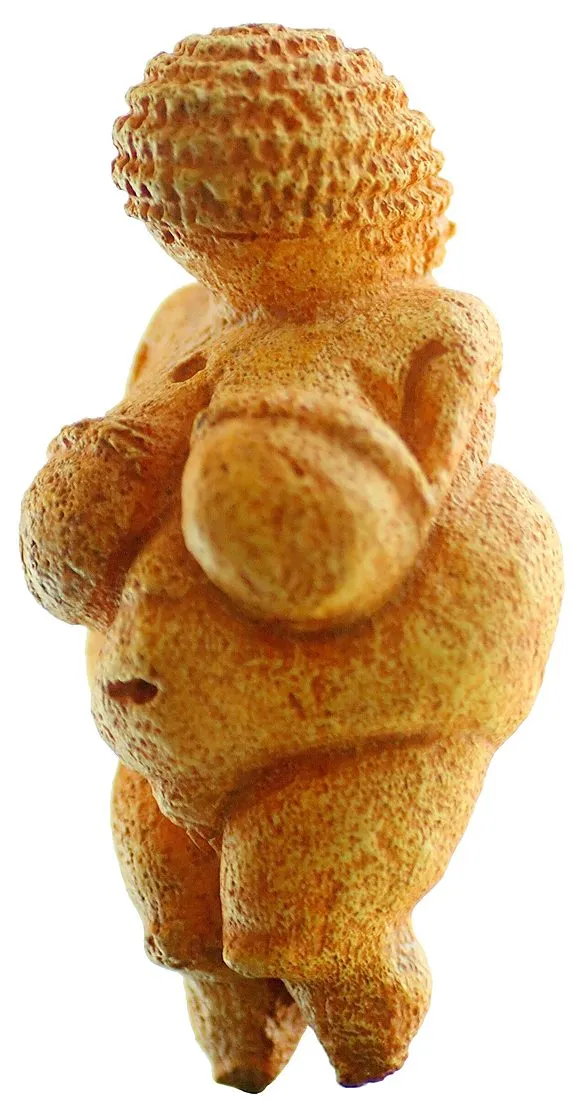
  6. 06 Human Stories Ice Age Europeans were not as cut off from each other as the map suggested The Gravettians, who lived from roughly 33,000 to 22,000 years ago, made tanged arrowheads and carved Venus figurines from mammoth ivory. Source: Nautilus 1 min read
  7. 07 Good News A wearable "Skincubator" lets parents hold babies who cannot leave the incubator The World Health Organization recommends at least eight hours a day of skin-to-skin contact from birth for babies born before 37 weeks. Source: Nice News 1 min read

The feel-good story of the day

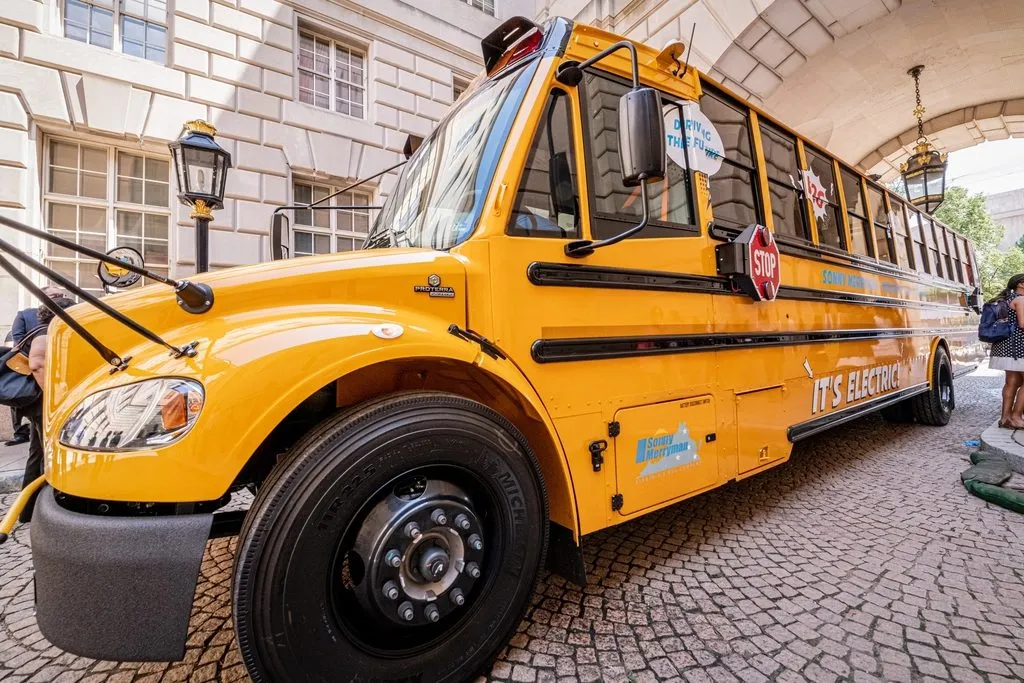
a yellow school bus usepa (via rawpixel)
Pictured a yellow school bus

A stranger outside a convenience store climbed onto a rolling school bus

Ebro Ahmed was outside a convenience store in St. Paul's Dayton's Bluff neighborhood on Monday afternoon when a school bus rolled past with its doors open. Through them he could see the driver seizing. He ran after the bus and climbed aboard.

He had no medical training and no driving-a-bus training either. "I tried to put it in park, I threw it in reverse by accident, and then I ended up getting it in neutral, pulled the parking brake," he told KSTP. Once the bus stopped, he called the police and an ambulance. When responders arrived, he counted 18 children on board. None were hurt, and the driver has since been released from the hospital and is resting at home. St. Paul Public Schools sent another bus to finish the ride and had its mental health team check in with the students.

Ahmed credits Grey's Anatomy, not any formal training, for the nerve to act. He was grateful it all happened on a neighborhood street and not a highway. "Youth are the most innocent humans on Earth," he said, "so anything you can do to save them, help them, it's worth it."

Today’s complete edition

The discoveries, in full

Read the evidence, what it changes, and the reporting behind each of today’s 7 discoveries.

01/07 Life Sciences

A school-leaving law from 1972 is still showing up in dementia rates

In 1972, Britain raised the minimum school-leaving age from 15 to 16 for anyone born after Sept. 1, 1957, and enrollment through age 16 rose by 14% 76.
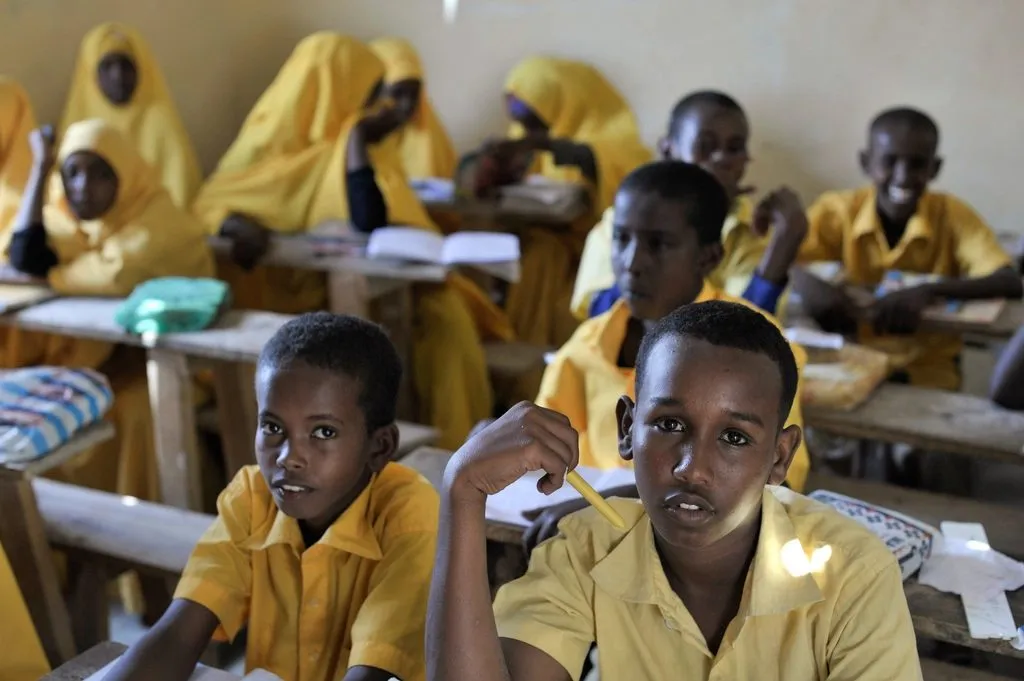
a teenager in a classroom
Pictured a teenager in a classroom · The African Union Mission in Somalia (via rawpixel)

Researchers at the University of Wisconsin–Madison and the University of Southern California treated that law as an experiment nobody planned to run. They analyzed more than 100,000 people in the UK Biobank. Dementia diagnoses came from medical histories, hospital records and death registries, so that people who died before being diagnosed would not skew the count 76. The extra year of school lowered Alzheimer's and related dementia incidence over the following 50 years by .88%. NIH calls that a considerably large effect, since dementia rates in the group were low to begin with. The benefit was biggest for people carrying genetic variants known to raise risk 76. "These findings reinforce the understanding that dementia risk is determined by factors beyond one's genetic makeup," said Richard Hodes, director of NIH's National Institute on Aging, "and that changes such as additional schooling can offset inherited vulnerability" 76.

02/07 Life Sciences

Two cancer patients, two clocks, and what a targeted drug can give

At last week's STAT Summit in Boston, two people described what targeted cancer drugs did for them. Janet Freeman-Daily, a former aerospace engineer, was 55 when she learned she had advanced lung cancer in 2011.

an older woman walking outdoors
Pictured an older woman walking outdoors · Vincent van Gogh (Wikimedia Commons)

A patient forum pointed her toward testing for a ROS1 rearrangement, which drives 1% to 2% of non-small cell lung cancers. On a visit to Denver she dropped in on the researcher whose lab had built the test, and he still had her tumor slides. The result came back wildly positive, and the lab was holding its last trial slot for her 101. She started the pill crizotinib on Nov. 6, 2012, and has had no evidence of disease on any scan since. In May she marked 15 years 101. Dana Senaha told the pancreatic cancer version. Her husband Bobby had run out of standard options when he enrolled in the daraxonrasib trial. Within 24 hours his pain eased enough that he cut his pain medication in half. By day three they walked more than three miles along the San Antonio River Walk, and within six weeks his scans showed a 45% reduction in disease and his lung metastases had vanished 102. The side effects were hard, a painful rash and bleeding around the fingernails among them. He stayed on the trial 29 weeks before his cancer mutated around the drug, and he died on Aug. 25, 2024 102.

03/07 Natural Sci.

The malaria parasite's disappearing door, finally photographed

Malaria still kills about 600,000 people a year, and for roughly 150 years we have known exactly who the culprit is. In 1880 the French physician Charles Louis Alphonse Laveran saw Plasmodium in a soldier's blood 60.

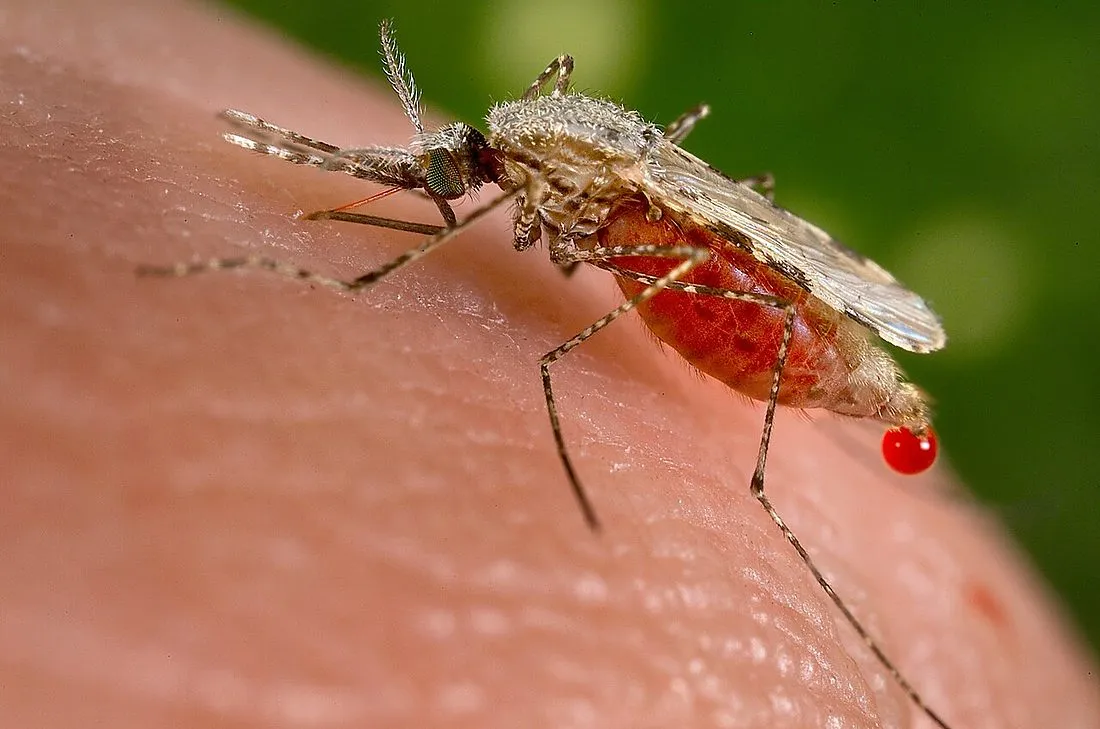
an Anopheles mosquito
Pictured an Anopheles mosquito · Jim Gathany (Wikimedia Commons)

What nobody had was a picture of the door. To get into a red blood cell, a cell about 8 micrometers across, the parasite builds a ring-shaped structure called the moving junction, which opens a brief gap in the membrane and then closes without a trace. It happens too fast and too small for imaging to catch 60. Chi-Min Ho's lab at Columbia University has now imaged the junction at the moment of invasion. Their cryo-electron work shows the parasite installing molecular gaskets in the host cell and remodeling the membrane so it can slip through 60. "We didn't really know anything about how it works," Ho said of the earlier blind spot. Jake Baum, a parasitologist at the University of New South Wales who was not involved, called it "a totally mind-blowing paper" and added, "this is not molecular biology. This is biophysics" 60.

04/07 Natural Sci.

The brain's "loudspeaker" turns out to be a postal service

The locus coeruleus, Latin for "blue place," is a tiny cluster of brainstem neurons, a small fraction of the brain's total. It makes norepinephrine, a chemical that helps regulate attention, learning, heart rate and the body's reaction to stress 8.

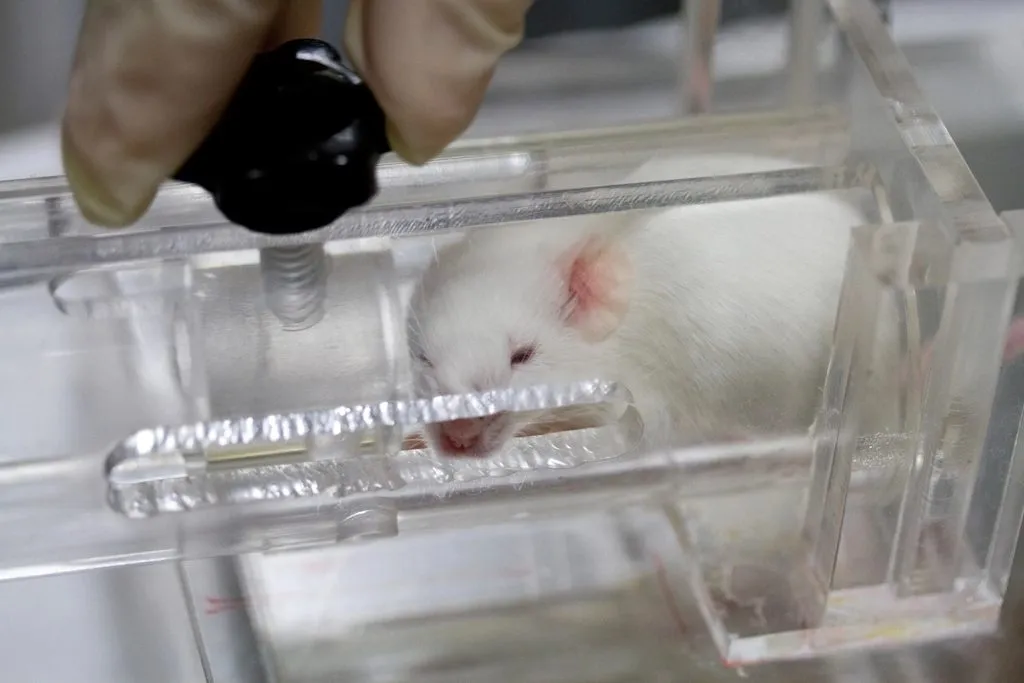
a laboratory mouse
Pictured a laboratory mouse · Unknown (via rawpixel)

For years the working assumption was that it acts like a loudspeaker, sending much the same signal everywhere. A new Nature study from the Allen Institute used brain imaging, neural recordings, genetic tools and behavioral experiments in mice. It found distinct pathways instead. Neurons in the upper (dorsal) part connect mainly to the cerebral cortex and forebrain, while those in the lower (ventral) part send signals to the brainstem and spinal cord, and different groups respond to different experiences 8. "The brain's norepinephrine system is far more like a targeted postal network than a foghorn," said co-author Karel Svoboda 8.

05/07 Natural Sci.

A swimming robot powered by a layer of muscle thinner than a hair

MIT engineers built a swimmer about the length and width of a stick of gum from a flexible gel frame with two fins. Each fin is coated in a layer of muscle cells far thinner than a human hair, genetically modified to contract when hit by light 6.

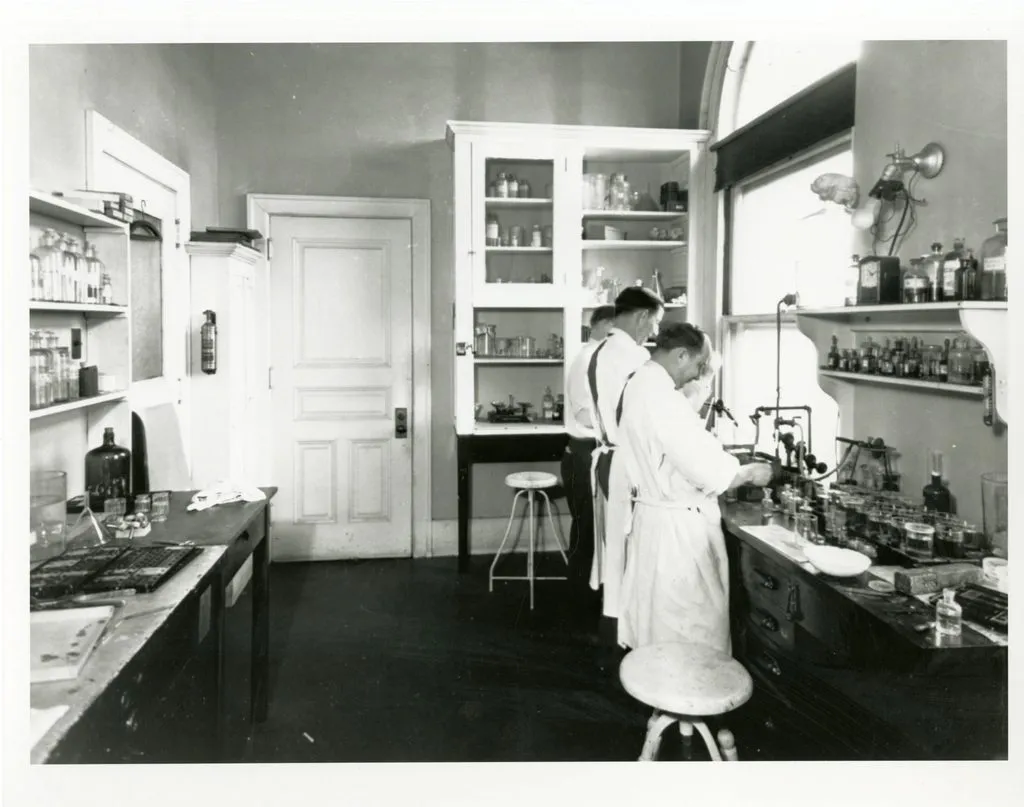
a researcher working in a biology lab
Pictured a researcher working in a biology lab · Unknown (via rawpixel)

Aim light at the left fin or the right, and change how often it flashes, and the robot's speed and direction change with it. In the study, published in Advanced Functional Materials, it swam and turned through a simple underwater maze 6. Top speed was about four body lengths per minute. An Olympic swimmer manages up to 65, and the researchers compare the robot's pace to a cow shark moving leisurely through the ocean 6. "It takes a lot of force to move through water versus air," said Ritu Raman, the senior author. "The robot's quite strong, given its size" 6.

06/07 Human Stories

Ice Age Europeans were not as cut off from each other as the map suggested

The Gravettians, who lived from roughly 33,000 to 22,000 years ago, made tanged arrowheads and carved Venus figurines from mammoth ivory. Their DNA had sorted them into two genetic groups, one in western Europe and one in central and eastern Europe 266.

Venus of Willendorf
Pictured Venus of Willendorf · Wikimedia Commons / Venus of Willendorf

A new Science Advances study sequenced genomes from several Gravettian individuals who lived between 30,000 and 22,000 years ago in different parts of Europe. One was a woman from Isturitz Cave in southwestern France, near the Spanish border, whose genome is the oldest complete one found in the region 266. Most of her ancestry matched western European lineages, but she also carried genes from central and eastern Europe. Genetic modeling points to a pulse of gene flow from east to west around 32,500 to 31,500 years ago 266. The same signal turns up in another Gravettian individual from Ormesson, France 266.

07/07 Good News

A wearable "Skincubator" lets parents hold babies who cannot leave the incubator

The World Health Organization recommends at least eight hours a day of skin-to-skin contact from birth for babies born before 37 weeks. Incubators, which these babies often need, make that nearly impossible 233.

Today Got Better

The Skincubator is a wearable device for preterm infants under 4.4 pounds that allows skin-to-skin contact as early as the day of birth, with the arterial, umbilical, feeding and airway lines left in place. The baby moves from the incubator via a retractable pad that is pulled down slowly 233. At Children's Memorial Hermann Hospital in Houston, Tiffany Ikwuagwu and Dorian Ojemen became the first US couple to use it. Their twins were born in August at 26 weeks, and for about 10 days the couple could not hold them 233. "You can have them on your chest, you can look in their eyes, you can hold them, feel them breathe," Ojemen told CNN 233.

Quick notes

Shorter discoveries from this morning, worth knowing but not a full story.

Breakthrough PTSD treatment achieves 68% remission rate in clinical trial A newly FDA-cleared treatment that maps a person's brain activity and targets magnetic stimulation to it reported 52% symptom reduction and 68% remission, against remission of at most 10.9% in a 2020 review of PTSD medications; the numbers come from the company, the full results are unpublished, and the two sets are not a direct comparison 5. Latest Science News -- ScienceDaily
Sugar restriction in early life is linked to lower dementia risk and slightly slower brain aging decades later People conceived during Britain's 1942 to 1953 sugar rationing, which gave children under two no sugar ration at all, had a 27% lower dementia risk and 46% lower Alzheimer's risk than those conceived after it ended, another natural experiment in UK Biobank data 117. PsyPost Psychology News
STAT+: Pharmalittle: We’re reading about a cancer vaccine, an experimental pancreatic cancer drug, and more A large trial of a personalized mRNA melanoma vaccine cut the risk of recurrence by 42% compared with standard treatment, with the full data due at the European Society of Medical Oncology meeting 94. STAT
A precision T-cell therapy stalls treatment-resistant cancers in clinical trial In an early human trial, the engineered protein invika halted progression in most patients whose solid tumors had resisted standard immunotherapy and shrank tumors in some, with flu-like side effects that were generally manageable 77. NIH News Releases
Opinion: Overdose deaths have plunged. We need to know why US opioid overdose deaths fell from a peak of 81,806 in 2022 to 44,564 in 2025, the fastest drop in the epidemic's modern history, and the authors say that nobody can yet explain it 99. STAT
Vines Produce Bigger, Healthier Wine Grapes When Grown Under Solar Panels Under panels in Puglia, Primitivo vines grew shoots more than twice as long and bunches almost three times as heavy, in a single 2.2-acre vineyard, with the lead researcher cautioning that shade tolerance varies by variety and region 232. Good News Network
Jackfruit Peel Could Help Clean Water: NIT Rourkela Team Removes 90% of Harmful Fluoride Discarded jackfruit peel, turned into activated carbon and treated with zirconium, removed more than 90% of fluoride from lab water in about 10 minutes, at an estimated Rs 37 per gram to make 235. The Better India : Latest Posts
Something Strange Is Living in The Old Fuel Leaking From WWII Shipwrecks Fuel from two wrecks in Chuuk Lagoon, which holds about 200,000 tons of sunken ship debris, hosts a diverse bacterial community that includes groups known to feed on hydrocarbons, though the study identified who lives there, not that they are cleaning it up 69. ScienceAlert
Shifting toward sustainability — maybe After raising pigs for 35 years, at one point more than 2,000 at a time, an Iowa family now grows mushrooms with help from the Transfarmation Project, and the old manure pit is a freshwater pond where the grandkids catch frogs 207. Mercy For Animals
Rescuers Ensure Orphaned Baby Walrus Gets a Second Chance (LOOK) A 220-pound, 5-month-old walrus calf found alone on a remote Alaska beach was cared for by locals for several days, then flown to the Alaska SeaLife Center and on to SeaWorld Orlando, where he is named Annautaq, "axe" in Iñupiaq, after the name of his rescuer's father 229. Good News Network
Podcast Transcript October 23rd, 2026— Hungary repeals anti-LGBTQ law, world’s tallest wind turbine, and why fall makes you reach for reruns Germany finished the world's tallest wind turbine at 1,197 feet, built without a crane because cranes do not go that high, so the builders invented a new construction method 241. The Optimist Daily: Making Solutions the News
The bloody palette of the animal kingdom Some New Guinea lizards have green blood because they break hemoglobin down into biliverdin and let it pile up until it overwhelms the red, the same molecule that tints human skin in jaundice 1. Knowable Magazine
Prediction Markets Are Accurate A new paper covering about a million resolved questions on Polymarket, Kalshi, Manifold and Metaculus found that events given a p% chance happened about p% of the time, though some high-stakes areas leaned over- or underconfident 144. Marginal REVOLUTION
Bio-hybrid harvester generates electricity from human cells A flexible mesh of tiny piezoelectric generators lets living human heart cells grow into it and turn their contractions into electricity, reaching more than 10 times the effective energy density of conventional harvesting in lab tests, a step toward implants that need fewer battery surgeries 197. New Atlas: Technology-Innovation-Outdoor News

Our process. Your trust.

Every discovery above traces back to an article we read in full. This is the whole corpus behind this morning, and what it was made of.

  • 53 Sources scanned
  • 267 Articles read
  • 8 Fields covered
  • 7 Discoveries

The sources that carried this morning

  1. 1 PLOS One 20 articles
  2. 2 STAT 20 articles
  3. 3 Psychology Today: The Latest 20 articles
  4. 4 Phys.org 14 articles
  5. 5 Ars Technica - All content 14 articles
  6. 6 Nature 11 articles
  7. 7 New Atlas 11 articles
  8. 8 Interesting Engineering 10 articles
How an edition is made

Everything we read today

Natural Sciences 75 articles
PLOS One
Life Sciences & Medicine 35 articles
STAT
Psychology & Behavioral Science 30 articles
Social Sciences 17 articles
Technology & Innovation 47 articles
Plant-Based & Vegan 23 articles
Solutions & Good News 25 articles
Human Stories & Ideas 15 articles
The long view · not today’s news, the story behind it

Today’s discoveries didn’t come from nowhere. Here’s the older, ongoing story they belong to, a moment from this day in history, and a question to test what stuck.

Where the story stands

On this day in science

1945 The United Nations is born The charter of the United Nations came into force, creating a place where nations could meet to keep the peace after a devastating war. Fifty-one countries signed on as founding members. The date is marked each year as United Nations Day. More from the Almanac →

Before you go: today’s quiz

The daily quiz

The 1987 Montreal Protocol got nations to phase out chemicals that were harming what?

Reveal the answer

The ozone layer

The 1987 Montreal Protocol phased out the chemicals destroying Earth's protective ozone layer. It is often called the most successful environmental treaty ever, and the ozone hole is now healing.

See the day →

Previous editions

Every morning we have published, newest first. Nothing expires.

View the full archive

Get this every morning.

Liked today’s? Tomorrow’s reaches your inbox before breakfast.

  • One email each morning, never more
  • The day’s real discoveries across 8 fields
  • One calm read with your coffee

Free from tomorrow morning, for good.

Same letter. Your $5 a month keeps it free for everyone else.

Any amount, charged once.