



The daily brief · October 20, 2026

Dying corals heal by touching their clones; a gene shields the brain

Things that looked locked in turned out to bend today: bleached corals, a leaky blood-brain barrier, a national diabetes curve, a six-day workweek.

  • 7 Discoveries
  • 271 Articles read
  • 49 Sources
  • 11 Min read

Today’s discoveries

Everything this morning found, in the order we would read it.

7 stories
  1. 01 Natural Sci. Dying corals heal when they touch their healthy clones In laboratory experiments at Stanford, corals that had bleached white and were close to dying regained their color and fully recovered within seven weeks, after spending time in contact… Source: ScienceDaily 1 min read
  2. 02 Natural Sci. A rare gene variant protects the brain's blood vessels from Alzheimer's About one in five people carries at least one copy of APOE ε4, the strongest common genetic risk factor for Alzheimer's, and some of them are still sharp in their 80s. Source: ScienceDaily 1 min read
  3. 03 Good News Mauritius is the first country to show type 2 diabetes falling Mauritius ran the same two-hour oral glucose tolerance test, the WHO's gold standard, in seven national surveys between 1987 and 2021. Source: The Bright Side 1 min read
  4. 04 Good News Brazil votes 75 to 1 to end the six-day workweek On the night of October 14, Brazil's Senate voted 75 to 1 for a constitutional amendment that cuts the legal working week from 44 hours to 40 and ends the "6x1" schedule of six days on,… Source: Good News Network 1 min read
  5. 05 Life Sciences Most people exposed to mass trauma recover, and the path shows who won't Researchers at Hebrew University, Columbia and Pace tracked 1,035 Israeli adults at about two weeks, seven weeks after that, and six months after the October 7 attacks. Source: Neuroscience News 1 min read
  6. 06 Natural Sci. An AI-flown drone beats three former human world champions A system called MonoRace, built at Delft University of Technology and published October 14 in Science Robotics, flew a championship course at over 60 mph using a single forward-facing… Source: Live Science 1 min read
  7. 07 Natural Sci. Baby fish caught riding a giant phantom jellyfish During an expedition off Argentina from December 2025 to January 2026, the ROV SuBastian, working from the Schmidt Ocean Institute's research vessel Falkor (too), found a giant phantom… Source: ScienceAlert 1 min read

The feel-good story of the day

teenagers playing at an indoor adventure park Candace McDaniel (via stocksnap)
Pictured teenagers playing at an indoor adventure park

Four teenagers made room for a boy sitting alone

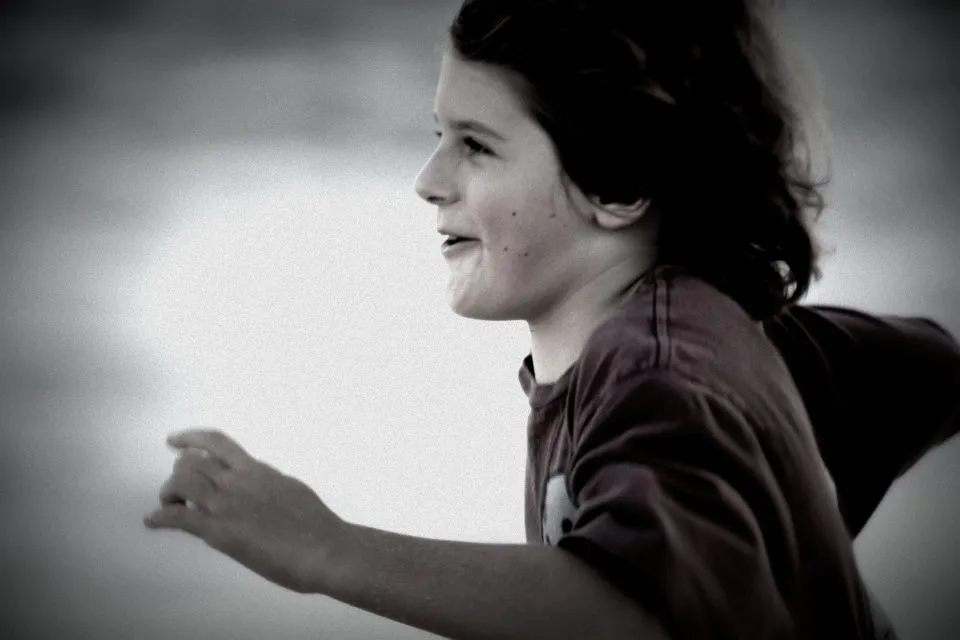
At an indoor adventure park in Bellingham, Massachusetts, a 7-year-old named Tristan was sitting by himself with a ball he had just won. A group of teenagers noticed. One of them, Livy Molinari, started with a compliment: "That's a really nice ball you have." She asked to hold it, he said yes, and that turned into about 40 minutes of tossing the ball around, hide-and-seek and slides.

Tristan has autism, and the teens didn't know. They weren't making a statement; Anna Hele said they wanted to include him and have a fun time. His mother, Christina Caron, said that children who seem a little different are more often not met with kindness. Watching it, she said, felt good because there are so many kids out there who will accept her son for who he is.

The story spread after the family shared it, which surprised the teens. Kenny Leite hopes people will think of Tristan when they see someone left out. It took a ball, a compliment and a few slides.

Today’s complete edition

The discoveries, in full

Read the evidence, what it changes, and the reporting behind each of today’s 7 discoveries.

01/07 Natural Sci.

Dying corals heal when they touch their healthy clones

In laboratory experiments at Stanford, corals that had bleached white and were close to dying regained their color and fully recovered within seven weeks, after spending time in contact with healthy corals that were genetic clones of them 9.
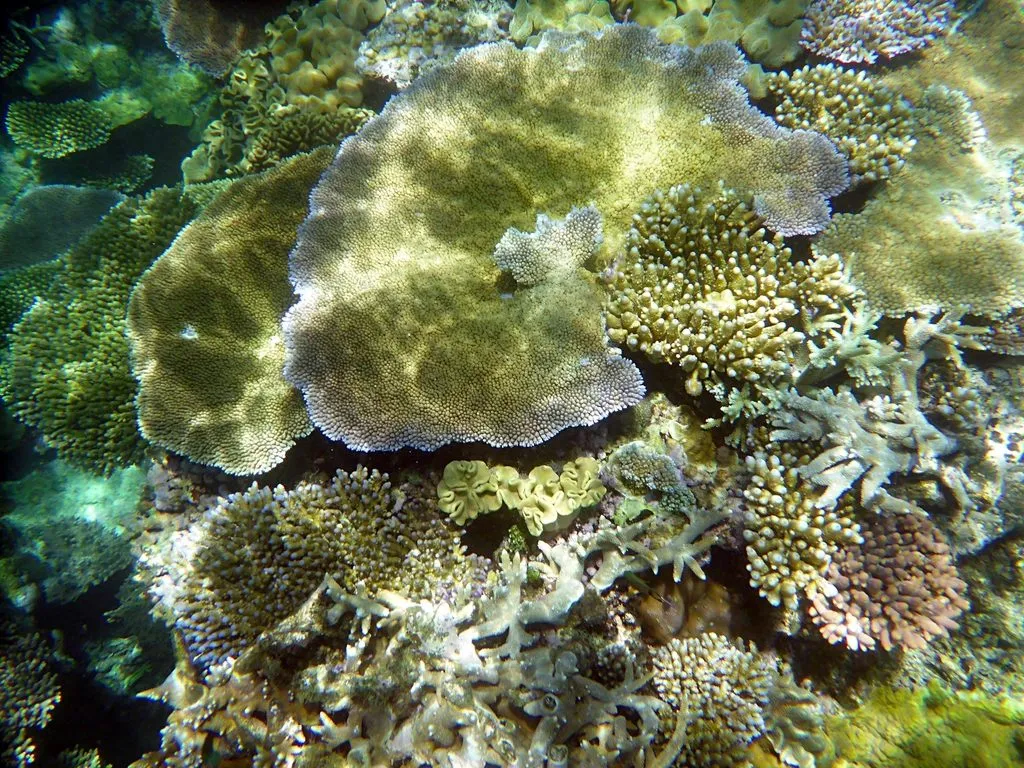
bleached coral reef
Pictured bleached coral reef · Unknown (via rawpixel)

As little as five days of contact sometimes started the recovery 9. The study, published October 14 in Science Advances, describes the fastest documented recovery from bleaching 9. It began as an accident. In 2025, coauthor Steve Palumbi noticed that two fragments of one coral colony, one healthy and one bleached, had fallen against each other in an aquarium, and the bleached one was regaining color where they touched 9. "While bleached corals may be dying, they are not dead yet," said lead author Danny Collins 9.

02/07 Natural Sci. Good News

A rare gene variant protects the brain's blood vessels from Alzheimer's

About one in five people carries at least one copy of APOE ε4, the strongest common genetic risk factor for Alzheimer's, and some of them are still sharp in their 80s 3246.

A rare gene variant protects the brain's blood vessels from Alzheimer's
Unknown (via rawpixel)

Two years ago a Columbia team found that a subset of those resilient carriers also have a rare mutation in FN1, the gene for fibronectin, a protein that helps hold tissue together 3246. A new Nature Aging paper, with Caghan Kizil as corresponding author, shows what the mutation protects against 3. In mice carrying the human APOE ε4 gene, fibronectin around the brain's blood vessels ran at nearly twice the level seen in mice carrying the common APOE ε3 version 246. Raising fibronectin made the blood-brain barrier leak, and lowering it let the barrier hold 246. The excess protein signals through integrins and an enzyme called focal adhesion kinase, which throws off three growth factors (VEGF, HBEGF and IGF1) that astrocytes and vessel cells use to maintain the barrier 246. Human data agreed: higher fibronectin in brain tissue and cerebrospinal fluid tracked with inflamed astrocytes 246.

03/07 Good News

Mauritius is the first country to show type 2 diabetes falling

Mauritius ran the same two-hour oral glucose tolerance test, the WHO's gold standard, in seven national surveys between 1987 and 2021 247. The surveys covered adults aged 25 to 74, with participation above 85% every round and 36,744 attendances in all 247.

Port Louis, Mauritius
Pictured Port Louis, Mauritius · Wikimedia Commons / Port Louis

Age- and sex-standardised type 2 diabetes prevalence climbed from 14.7% in 1987 to 23.3% in 2009, then fell to 19.9% in 2021 247. That is 11% lower in men and 16% lower in women than at the peak 247. Prediabetes dropped from 24.9% to 15.6%, and the share of cases that were newly diagnosed, meaning people who had the disease and did not know, fell from 67% in 1987 to 32.5% in 2021 247. The paper is in The Lancet Diabetes & Endocrinology 247.

04/07 Good News

Brazil votes 75 to 1 to end the six-day workweek

On the night of October 14, Brazil's Senate voted 75 to 1 for a constitutional amendment that cuts the legal working week from 44 hours to 40 and ends the "6x1" schedule of six days on, one day off 248.

National Congress of Brazil building in Brasília
Pictured National Congress of Brazil building in Brasília · Eurico Zimbres (Wikimedia Commons)

Wages do not fall, and full-time workers get two paid days off 229248. It phases in: 42 hours 60 days after publication, then 40 hours a year after that 229248. The government estimates more than 37 million formal-sector workers are covered 248. It is the first change to labor hours by the legislature since 1988, when full-time work went from 48 hours to 44 229. The text had no trouble getting through. It needed 49 of 81 votes and got 75 in both rounds, and the lone no was Hamilton Mourão 248. Flávio Bolsonaro, the runoff opponent of the sitting president, had opposed the measure for months and voted yes 248.

05/07 Life Sciences

Most people exposed to mass trauma recover, and the path shows who won't

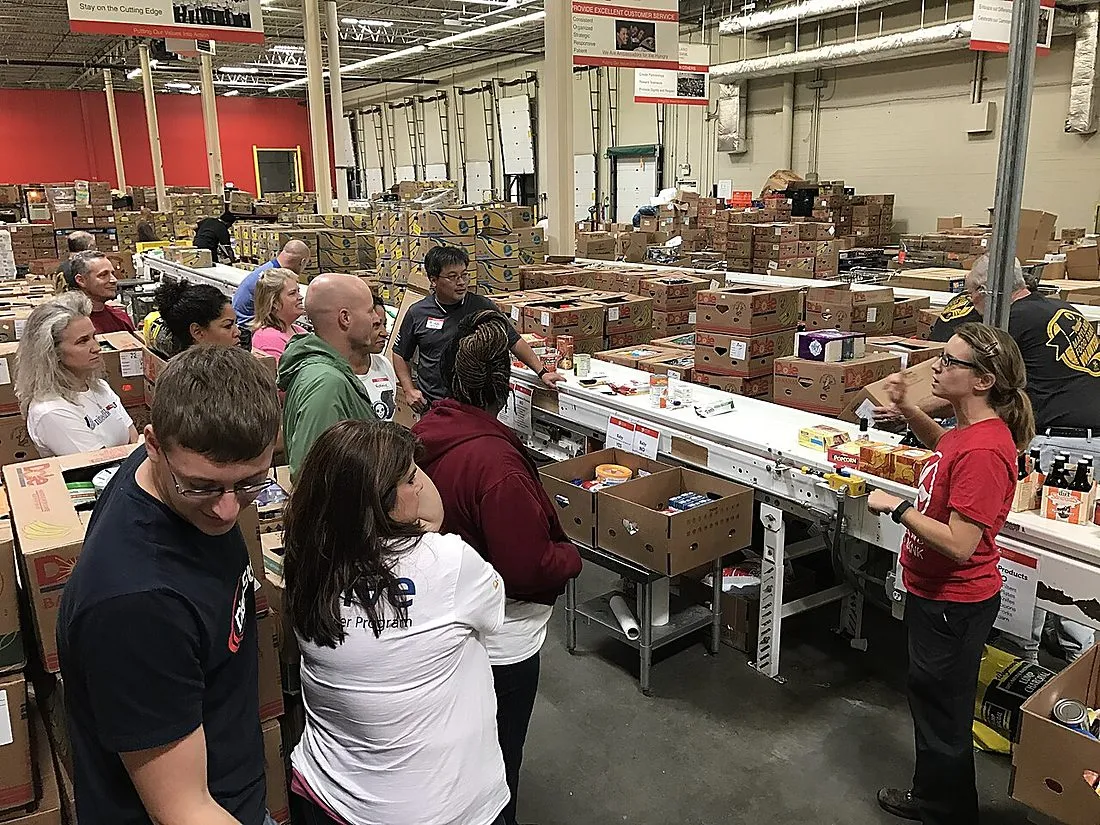
Researchers at Hebrew University, Columbia and Pace tracked 1,035 Israeli adults at about two weeks, seven weeks after that, and six months after the October 7 attacks 70.

volunteers packing food boxes
Pictured volunteers packing food boxes · Oct. 20, 2016 (Wikimedia Commons)

Four trajectories emerged. Resilience, meaning consistently low distress, described 54%. Recovery, severe early distress that steadily eased, described 27%. Chronic distress described 18%, and delayed onset 2.5% 70. That puts 81% in the first two groups 70. The shape of the curve over time predicted later PTSD symptoms significantly better than symptom severity at any single point 70. Regular volunteering before the war and early positive emotions went with resilience, while high emotional empathy, resonating with others' suffering, went with higher distress and worse trajectories 70.

06/07 Natural Sci.

An AI-flown drone beats three former human world champions

A system called MonoRace, built at Delft University of Technology and published October 14 in Science Robotics, flew a championship course at over 60 mph using a single forward-facing camera, an inertial measurement unit and a tiny onboard computer 13.

It had no GPS, no motion capture, no stereo cameras and no preloaded map 13. On the Abu Dhabi course it completed two laps around 11 gates in 16.56 seconds, topping out at about 63 mph, and it won the 2025 Abu Dhabi Autonomous Racing League, posting faster times than three former human world-champion pilots 13. The whole thing weighs 966 grams, so the neural network runs entirely aboard, issuing motor commands to the four propellers 500 times a second 13. Study coauthor Guido de Croon noted that the released video mixes real flights with computer-generated segments. The real training happened in a stripped-down physics simulator, not the pretty one shown on screen 13.

07/07 Natural Sci.

Baby fish caught riding a giant phantom jellyfish

During an expedition off Argentina from December 2025 to January 2026, the ROV SuBastian, working from the Schmidt Ocean Institute's research vessel Falkor (too), found a giant phantom jellyfish (Stygiomedusa gigantea) drifting at around 250 meters 63.

It was about 6 meters long, trailing its arms, and 19 small blue-grey juvenile rudderfish (Centrolophus niger) were flitting beneath its bell and among those arms 63. A team led by María Emilia Bravo of the University of Buenos Aires calls it the first documented observation of the association in the deep ocean 63. Scientists had suspected it for more than 50 years 63. The jellyfish's bell can pass a meter across and its four ribbon-like arms can exceed 10 meters, but fewer than 120 sightings have been logged since the first specimen was collected in 1899 63.

Quick notes

Shorter discoveries from this morning, worth knowing but not a full story.

"Mind-blowing" Alzheimer’s breakthrough: Two hours of sleep restored without clearing brain plaques In mice with Alzheimer's-like changes, temporarily removing most of the brain's microglia gave back more than two hours of sleep a day without touching the amyloid plaques, pointing at overactive immune cells rather than plaques as the cause of the sleep loss 7. ScienceDaily
A gene variant triples the risk of getting Alzheimer's disease — fat buildup in brain cells may be to blame, study finds MIT's Li-Huei Tsai found that switching off DKK1, a brake on the Wnt signaling system, reduced the fat droplets that APOE4 makes oligodendrocytes accumulate in stem-cell-grown cells, a third thing to look at besides amyloid and tau 12. Live Science
Old Blood Cells Have Been Transformed Into Brain Stem Cells That Get Younger As They Age Bonn researchers directly converted blood precursor cells from 15 donors, newborn to 101 years old, into neural stem cells, which kept getting epigenetically younger over the following 50 to 100 days 57. ScienceAlert
Mozambique Protects the ‘Butterfly Forest’ of Mount Mabu, Home to 200 Species A government decree set aside 23,000 acres as a community conservation area for the forest where at least 200 butterfly species live, and locals already treat the mountains as sacred 227. Good News Network
Simple ‘Soil Steaming’ Found as Effective Replacement for Chemicals in Organic Strawberry Farming After injecting steam into beds before planting in a four-grower trial, farmer Rod Koda reported bigger, healthier plants and more strawberries, which gives organic growers an alternative to rolling the dice on soil disease 230. Good News Network
The new certification scheme helping solar farms become havens for wildlife Wild Power's free scorecard lets developers earn certification at 70 points for habitat measures, and so far two UK solar farms have it, including the 10MW Dunmow site in Essex 232. Positive News
From 5 Rhinos in 1984 to a Free-Ranging Experiment: What Dudhwa Is Teaching India Five reintroduced rhinos in 1984 have become 53 in the June 2026 census, and four more were moved out of the fenced area in March, bringing the free-ranging count to eight 235. The Better India
A Dutch startup is making concrete that grows its own moss Respyre's Mosscrete coating lets moss grow on vertical walls from rain and air alone, and it has gone onto eight projects, including 450 square meters of warehouse facade in Kortrijk 250. The Optimist Daily
Unprecedented Collab Between China and The Met Uncovers Secrets of Huge Chinese Mural in NYC Three years of copying the Met's 700-year-old Medicine Buddha mural showed that conservators had arranged the segments so the Buddha's head sat 2 centimeters off 228. Good News Network
‘Education Took My Father From Rickshaw to Railways’: She Now Brings Rs 100 Coaching to 7000+ Rural Kids Archana Jaisal's Shiksha Saathi now runs more than 78 learning centres across six districts of Uttar Pradesh with 67 teachers, reaching over 7,650 students, a path that started with her father studying while pulling a rickshaw 241. The Better India
Walking May Improve Your Attention Span In 14 years of Fitbit data from more than 3,000 adults, people averaging 8,900 or 14,200 steps a day did better on attention tests than those averaging 5,100, though each person took the test only once 263. Nautilus
Startup taps underwater volcano as energy source in "proof point" test A 3-ton prototype near the Axial Seamount, about 5,000 feet down, generated less than 10 seconds of net-positive electricity, which is short, but it is the first demonstration of subsea geothermal power 163. Ars Technica
AI Proved the Quasi-Riemann Hypothesis. What Happens Now? One of 377 results OpenAI announced on October 6 claims to settle a weaker cousin of the Riemann hypothesis, which Stanford's Jared Duker Lichtman called "the most significant AI-for-math achievement so far, by quite a margin", and number theorists are still working through it 55. Quanta Magazine
How the Brain Merges Sights and Sounds to Read Feelings fMRI work from UCLouvain found face-selective brain regions carrying information about emotions heard in voices, and in some regions the same emotion was represented similarly whether seen or heard 72. Neuroscience News

Our process. Your trust.

Every discovery above traces back to an article we read in full. This is the whole corpus behind this morning, and what it was made of.

  • 49 Sources scanned
  • 271 Articles read
  • 8 Fields covered
  • 7 Discoveries

The sources that carried this morning

  1. 1 Psychology Today: The Latest 20 articles
  2. 2 Nature 16 articles
  3. 3 Ars Technica - All content 15 articles
  4. 4 Phys.org 14 articles
  5. 5 STAT 14 articles
  6. 6 The Conversation Articles 12 articles
  7. 7 Psychiatric Times articles 11 articles
  8. 8 Latest Science News -- ScienceDaily 10 articles
How an edition is made

Everything we read today

Natural Sciences 68 articles
Life Sciences & Medicine 31 articles
Psychology & Behavioral Science 31 articles
Social Sciences 26 articles
Technology & Innovation 52 articles
Plant-Based & Vegan 17 articles
Solutions & Good News 26 articles
Human Stories & Ideas 20 articles
The long view · not today’s news, the story behind it

Today’s discoveries didn’t come from nowhere. Here’s the older, ongoing story they belong to, a moment from this day in history, and a question to test what stuck.

Where the story stands

On this day in science

1891 James Chadwick is born James Chadwick, who discovered the neutron, was born near Manchester, England. His 1932 finding completed the basic picture of the atom's core and reshaped physics. It won him the Nobel Prize and became central to understanding nuclear energy. More from the Almanac →

Before you go: today’s quiz

The daily quiz

The Wright brothers made the first powered airplane flight at Kitty Hawk in 1903. How long did that first flight last?

Reveal the answer

12 seconds

The first controlled, powered flight at Kitty Hawk on 17 December 1903 lasted just 12 seconds, but it launched the age of aviation.

See the day →

Previous editions

Every morning we have published, newest first. Nothing expires.

View the full archive

Get this every morning.

Liked today’s? Tomorrow’s reaches your inbox before breakfast.

  • One email each morning, never more
  • The day’s real discoveries across 8 fields
  • One calm read with your coffee

Free from tomorrow morning, for good.

Same letter. Your $5 a month keeps it free for everyone else.

Any amount, charged once.