


The daily brief · October 21, 2026

Rock glaciers hold on, and some depression may be a body-clock problem

Today's hopeful news is about finding the right lever: a clock, a door for immune cells, a bridge an animal finally trusts.

  • 8 Discoveries
  • 288 Articles read
  • 46 Sources
  • 12 Min read

Today’s discoveries

Everything this morning found, in the order we would read it.

8 stories
  1. 01 Natural Sci. The glaciers that hide under rubble and won't melt When Ashlesha Khatiwada first flew over Sourdough Peak in Alaska, she saw the lobes, ridges and furrows of a glacier creeping downhill, with no ice in sight. Source: Knowable Magazine 1 min read
  2. 02 Natural Sci. A quarter of severe depression may be a clock problem Researchers at the University of Sydney analyzed 11,380 adults aged 18 to 90 in the Australian Genetics of Depression Study. Source: Latest from Live Science 1 min read
  3. 03 Natural Sci. Ten minutes of ultrasound eased delusions in a small trial At NYU Langone, ten people with schizophrenia or schizoaffective disorder, all with persistent symptoms despite ongoing drug therapy, each got an ultrasound session and a placebo session… Source: Latest from Live Science 1 min read
  4. 04 Natural Sci. Two labs point at the same door into the Alzheimer's brain At Washington University in St. Source: Latest Science News -- ScienceDaily 1 min read
  5. 05 Natural Sci. Monkeys that lived through an outbreak got pickier about their food In 2020, simian retrovirus Type II swept through three of four groups of Japanese macaques at a primate sanctuary in southern Texas, and the sanctuary separated groups and began strict… Source: Phys.org - latest science and technology news stories 1 min read
  6. 06 Natural Sci. Vitamin C and the earliest stage of blood cancer In the phase 2 EVITA trial, randomized, double-blind and placebo-controlled, people with precancerous blood disorders and early-stage blood cancers took 1,000 mg of oral vitamin C daily… Source: Latest Science News -- ScienceDaily 1 min read
  7. 07 Technology Algae genes gave blind patients partial sight In the PIONEER trial, people with retinitis pigmentosa, a genetic disease that destroys the retina's light-sensing cells, got an injection that installs a light-sensitive algae protein… Source: SingularityHub 1 min read
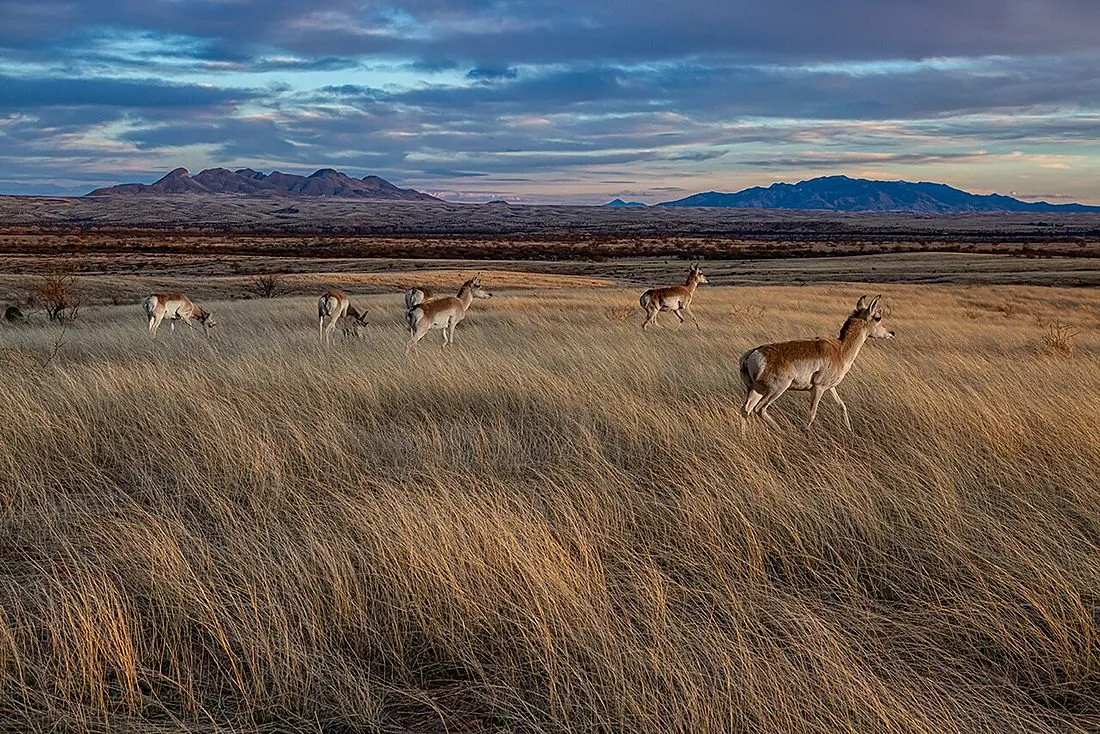
  8. 08 Good News The grass bridge over Interstate 25 that a pronghorn finally used On the stretch of Interstate 25 between Larkspur and Monument, drivers used to hit about one wild animal a day. Source: The Bright Side 1 min read

The feel-good story of the day

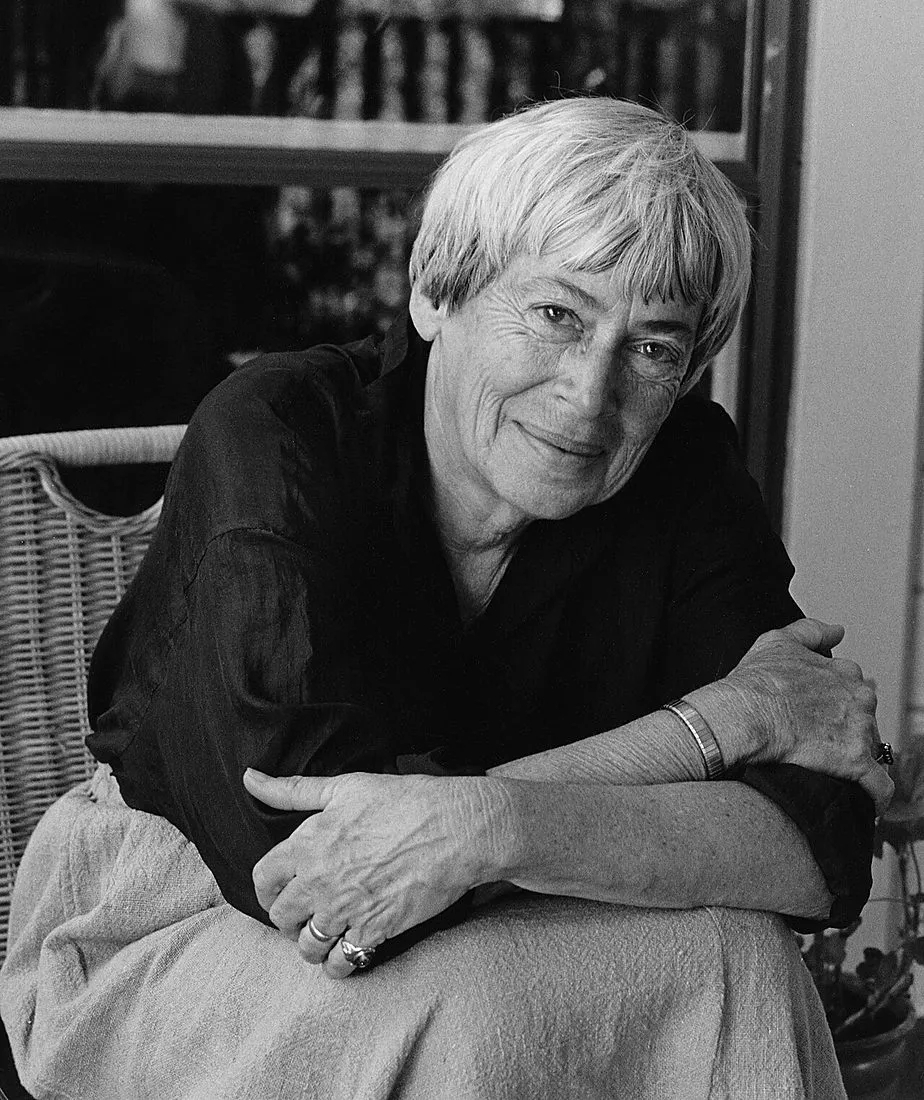
Ursula K. Le Guin Wikimedia Commons / Ursula K. Le Guin
Pictured Ursula K. Le Guin

Ursula K. Le Guin, born on this day, wrote the worlds she wanted to live in

Ursula K. Le Guin was born on October 21, 1929, in Berkeley, California, the daughter of the anthropologist Alfred Kroeber and the writer Theodora Kroeber. She grew up in a house full of stories and people who thought hard about how other cultures live, and it shows in her work.

She published A Wizard of Earthsea in 1968 and The Left Hand of Darkness in 1969. Both became classics of fantasy and science fiction, and both asked readers to imagine societies built on different assumptions than their own. She kept writing novels, essays and poems for almost fifty more years and died in 2018.

In 2014, accepting a medal from the National Book Foundation, she told the room: "We live in capitalism. Its power seems inescapable. So did the divine right of kings." She urged writers to remember freedom and to practice imagining alternatives. It's a good reminder on a morning of news about people who changed what seemed fixed, one lamp, one bridge, one study at a time.

Today’s complete edition

The discoveries, in full

Read the evidence, what it changes, and the reporting behind each of today’s 8 discoveries.

01/08 Natural Sci.

The glaciers that hide under rubble and won't melt

When Ashlesha Khatiwada first flew over Sourdough Peak in Alaska, she saw the lobes, ridges and furrows of a glacier creeping downhill, with no ice in sight. It was all rock and dirt.

a rock glacier in the mountains
Pictured a rock glacier in the mountains · Elliott Chau (via stocksnap)

Rock glaciers like it are now getting attention as holdouts. Their thick outer layers of debris buffer them from rising temperatures, so they seem to be largely refusing to melt, for now, while the familiar white glaciers retreat 1. The contrast is sharp: scientists project Earth will lose 25 percent to more than 40 percent of its glacier mass by 2100, and glaciers have already lost an estimated 9,500-plus gigatons of ice since 1975 1. Stream ecologist Scott Hotaling says he feels "like a coroner of mountain landscapes," so a story "closer to being optimistic" is exceptionally rare 1.

02/08 Natural Sci. Good News

A quarter of severe depression may be a clock problem

Researchers at the University of Sydney analyzed 11,380 adults aged 18 to 90 in the Australian Genetics of Depression Study. They counted someone as "circadian" if they had at least three of six features: seasonal mood swings, late sleep schedules, social jet lag, night-owl habits, excessive sleep, and fatigue on waking.

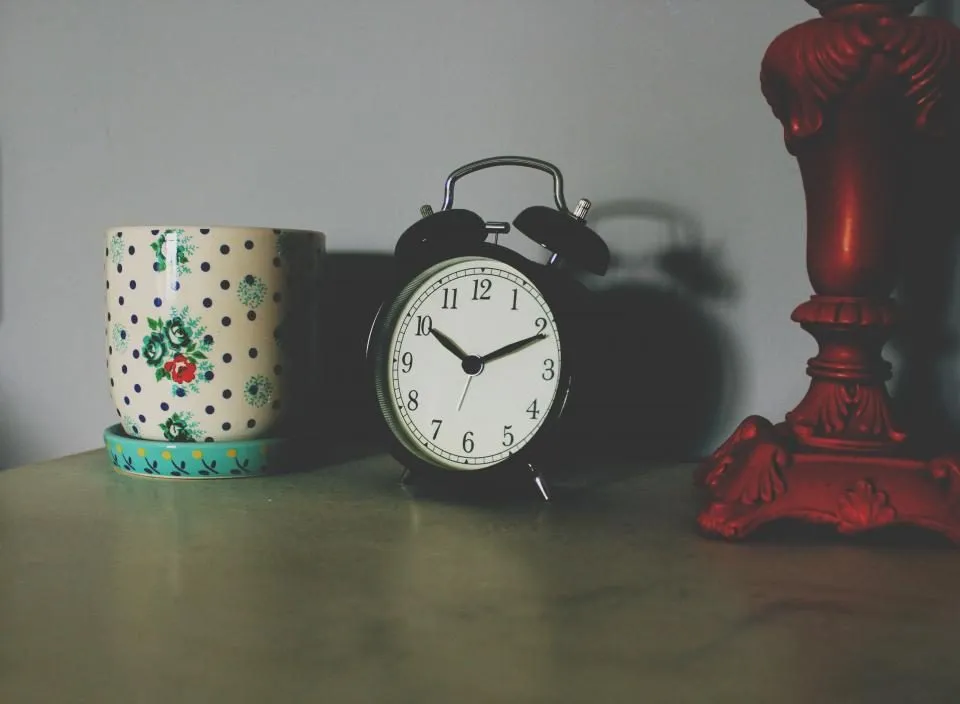
a bedside lamp and alarm clock at dawn
Pictured a bedside lamp and alarm clock at dawn · Brandi Redd (via stocksnap)

A total of 2,604 people, roughly one in four, fit the proposed subtype. The paper appeared in the British Journal of Psychiatry on October 21 15. This group developed depression earlier, around 19 versus about 23 for everyone else, skewed female, and reported more psychological distress and more frequent suicidal thoughts 15.

What each field noticed (2)
The Bright Side

The Wrong Clock

The Bright Side followed co-author Sam Hockey, who has woken tired since a house fire when he was eight. His own change was a bedside lamp on a timer, which the piece calls one person's lamp, not a protocol. It also gathers the caution: Ian Hickie argues standard SSRIs and CBT may miss this group, but Tonini says that claim is self-report and needs a trial. Philip Mitchell of UNSW called the idea thought-provoking and short of the bar for practice, and Shantha Rajaratnam of Monash noted the same complaints can be plain bad sleep 251.

Read the story
03/08 Natural Sci. Life Sciences

Ten minutes of ultrasound eased delusions in a small trial

At NYU Langone, ten people with schizophrenia or schizoaffective disorder, all with persistent symptoms despite ongoing drug therapy, each got an ultrasound session and a placebo session a week apart 83.

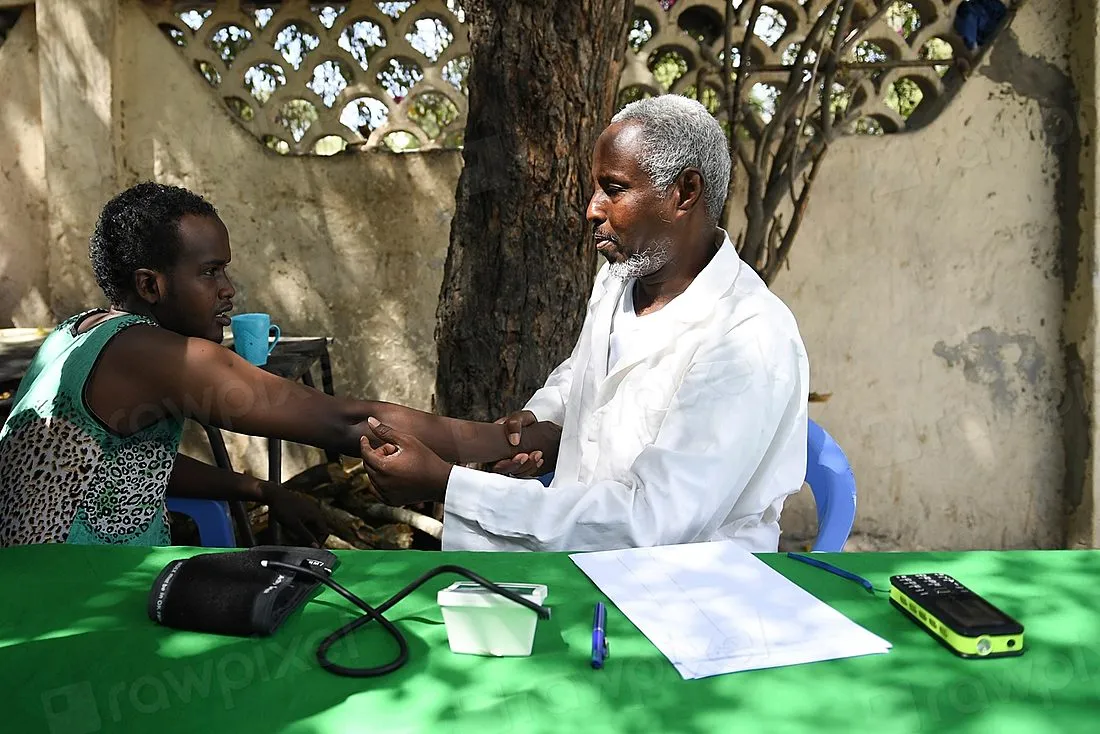
a psychiatrist and patient in a clinic
Pictured a psychiatrist and patient in a clinic · United Nations Assistance Mission in Somalia (via rawpixel)

A single 10-minute session aimed at the globus pallidus interna, a deep hub linked to psychosis, lowered delusion severity by an average of 1.2 points on a standard scale, while scores rose 0.4 points after the sham. The benefit lasted through the seven-day follow-up 83. Side effects were mild fatigue and headache, and they showed up equally after real and sham treatment 83. The results appeared October 20 in npj Acoustics 20.

What each field noticed (2)
Live Science

Ultrasound waves that jiggle deep brain structures may relieve delusions in schizophrenia, small trial hints

Live Science explained why sound is interesting. Engineer Shy Shoham compared a transducer to a lens that focuses light, which lets ultrasound reach deeper structures than magnetic stimulation. A treatment delivered straight to the brain might also skip the weight gain and high blood pressure of antipsychotics. Co-author Donald Goff said, "It's too early to know for certain what the therapeutic benefits will be, but it's very exciting" 20.

Read the story
Neuroscience News

Focused Ultrasound Calms Delusions in Schizophrenia

Neuroscience News supplied the clinical numbers and context. About 30 percent of patients have persistent symptoms on medication, and existing drugs often carry heavy metabolic and neurological burdens. It also noted that the targeting is MRI-guided and involves no incisions or implanted electrodes 83.

Read the story
04/08 Natural Sci. Life Sciences

Two labs point at the same door into the Alzheimer's brain

At Washington University in St. Louis, researchers gave mice with tau buildup an antibody that blocks CXCR3, a protein that helps T cells enter the brain.

Two labs point at the same door into the Alzheimer's brain
Unknown (via rawpixel)

After several months, T cells in the brain had dropped by about half. Treated mice kept roughly 40 percent more tissue in memory regions and did better on a memory test, though the amount of tau had not changed at all 8. Separately, an eLife team built human forebrain organoids with stem-cell-derived microglia and CD8+ T cells. In the dish, microglia cleared amyloid-beta but also called in T cells through CCL4/5 signaling, and drugs blocking CCR5 or CXCR3 stopped that recruitment 109.

What each field noticed (2)
eLife

An integrated human forebrain organoid reveals microglia-mediated CD8+ T cell recruitment and neuroimmune dysfunction in Alzheimer’s disease pathology

The organoid paper contributes the human-cell angle. Reviewers called it a valuable platform for testing neuron-immune interactions that are hard to reproduce in rodents, and said the evidence on microglia and T cell crosstalk is convincing 109.

05/08 Natural Sci. Human Stories

Monkeys that lived through an outbreak got pickier about their food

In 2020, simian retrovirus Type II swept through three of four groups of Japanese macaques at a primate sanctuary in southern Texas, and the sanctuary separated groups and began strict testing and quarantine 63.

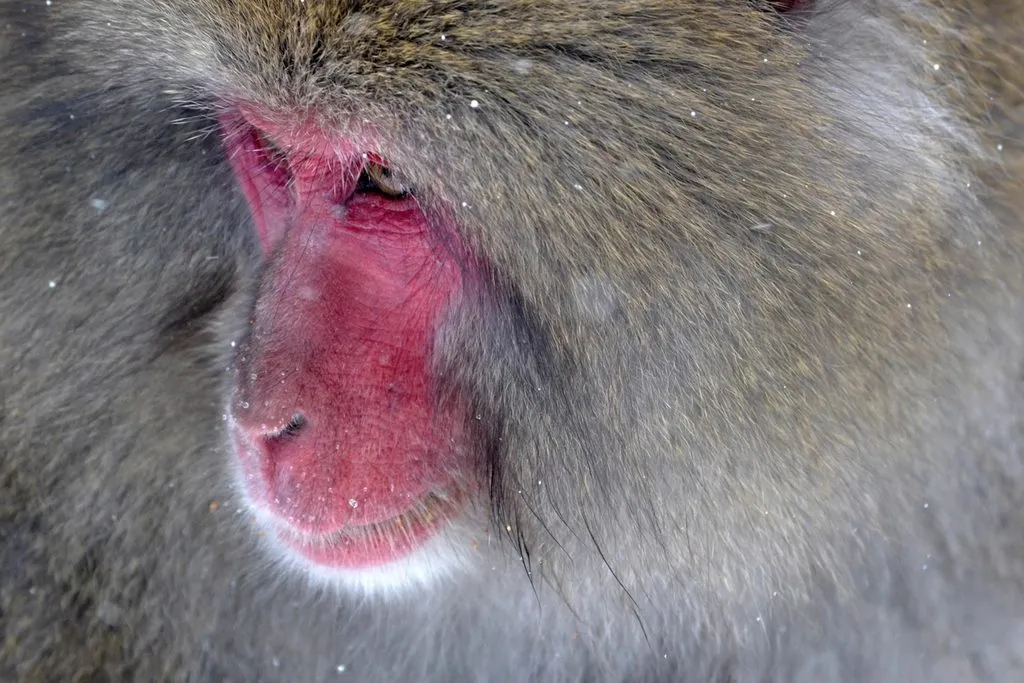
Japanese macaques at a sanctuary
Pictured Japanese macaques at a sanctuary · Unknown (via rawpixel)

The accident became a natural experiment for UC San Diego researchers, who tested 55 monkeys on a choice between food on a clean surface and food on a surface covered with real macaque feces sealed under clear epoxy, so the look was intact and the smell and risk were gone 63. The unexposed group picked the contaminated-looking food in 79 percent of trials. The outbreak groups picked it in 47 percent of trials, whether or not the individual monkey had been infected 279. The study ran in Royal Society Open Science 63.

06/08 Natural Sci.

Vitamin C and the earliest stage of blood cancer

In the phase 2 EVITA trial, randomized, double-blind and placebo-controlled, people with precancerous blood disorders and early-stage blood cancers took 1,000 mg of oral vitamin C daily for a year.

a nurse talking with an older patient in a clinic
Pictured a nurse talking with an older patient in a clinic · Direct Media (via stocksnap)

People with these conditions often have persistently low vitamin C. The vitamin group had fewer adverse events during the study and follow-up, and shifts in immune signaling molecules called cytokines that are associated with better outcomes 5. It did not slow the rate at which abnormal blood cells expanded. An exploratory analysis found that vitamin C participants were significantly more likely to be alive at roughly three years 5. The trial came from the Van Andel Institute-Stand Up To Cancer Epigenetics Dream Team and was published in CANCER 5.

07/08 Technology

Algae genes gave blind patients partial sight

In the PIONEER trial, people with retinitis pigmentosa, a genetic disease that destroys the retina's light-sensing cells, got an injection that installs a light-sensitive algae protein in their failing retinas.

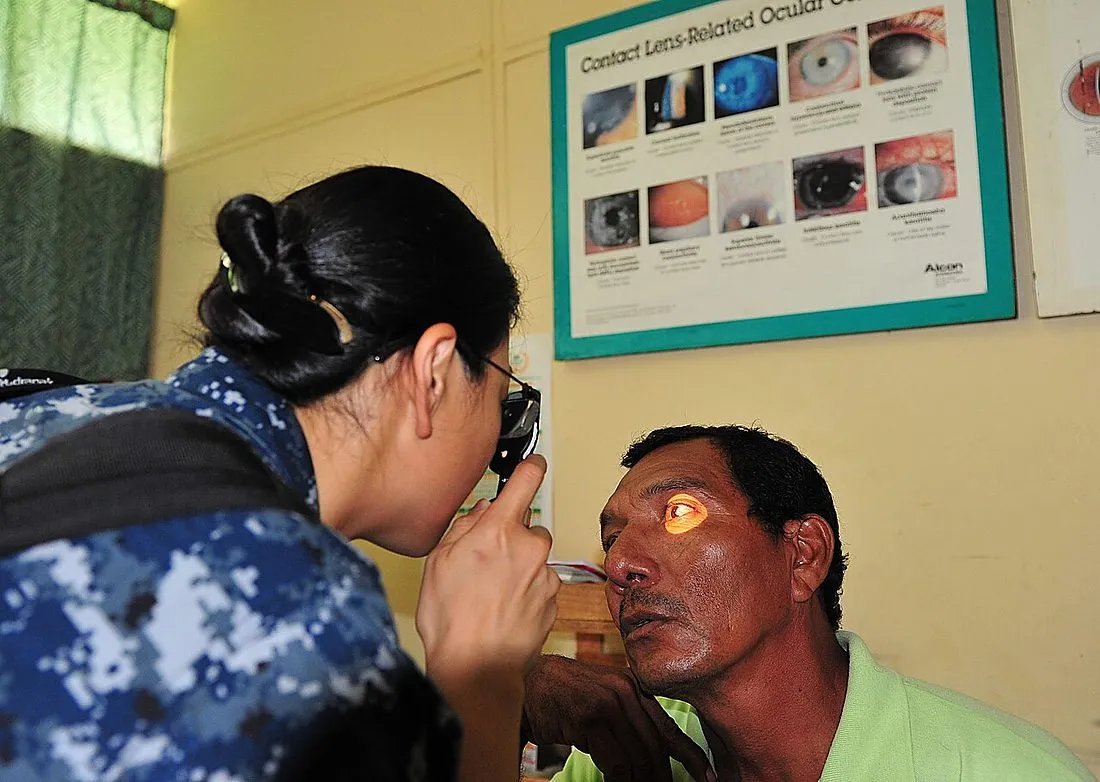
an ophthalmologist examining a patient's eye
Pictured an ophthalmologist examining a patient's eye · U.S. Air Force photo by Staff Sgt. Courtney Richardson (Wikimedia Commons)

Seven of ten patients showed improved light sensitivity. Wearing goggles that deliver pulses of light, roughly half could reach for and touch objects or identify the orientation of a black bar 218. Those who responded kept improving over about five years. One participant, whose story made headlines in 2021, can now recognize and count different objects, and crosswalk stripes pop out for them 218. The idea traces to Karl Deisseroth's optogenetics work, which started with the algae protein channelrhodopsin 218.

08/08 Good News

The grass bridge over Interstate 25 that a pronghorn finally used

On the stretch of Interstate 25 between Larkspur and Monument, drivers used to hit about one wild animal a day. In December 2025 Colorado opened a grass-covered overpass there, 209 by 200 feet, with five underpasses and miles of 8-foot fence guiding animals toward it and 39,000 acres of habitat on the far side.

a pronghorn on a grassland
Pictured a pronghorn on a grassland · mypubliclands (Wikimedia Commons)

In June a camera caught a pronghorn on the bridge, the species' first confirmed crossing of that interstate in 20 to 30 years 252. Pronghorn had spent those decades walking the fence, looking for a gap wide enough to trust 252. In roughly ten months since opening, state officials told The Colorado Sun that drivers have hit two animals. Elk, bears, mule deer, coyotes, northern leopard frogs and the threatened Preble's meadow jumping mouse have also used the corridor 252.

Quick notes

Shorter discoveries from this morning, worth knowing but not a full story.

The Hive's Medicine Cabinet University of Sydney researchers mapped 24 colonies in New South Wales and found honey, propolis and pollen are placed like an immune system, with antimicrobial activity strongest toward the brood and against bacteria such as American foulbrood 250. The Bright Side
North Bengal's Tea Estates Now Have Far Less Razor Wire in Elephant Corridors. Here’s What Changed Razor-wire fencing in the assessed tea estates fell from about 134.7 km in 2019 to 34.8 km in 2026, a 74.2 percent cut, after years of talks between conservationists and estate managers 239. The Better India : Latest Posts
Your aging brain may be trading memory for something more valuable A University of Arizona hypothesis proposes that older brains shift from the hippocampus's details toward the frontal cortex's gist, which may be why older adults are so good at teaching and passing on what they know 7. Latest Science News -- ScienceDaily
Isle of Jersey Expands Marine Protections to Cover 21% of Territorial Waters From September 1, 21.7 percent of Jersey's seas are protected from trawling and other damaging fishing, with the government working to open less sensitive areas to fishers 233. Good News Network
Meet the World’s First Bird With 3D-Printed Upper and Lower Beak Prostheses A southern ground hornbill at ARTIS Amsterdam Royal Zoo got CT-guided plastic beak parts attached with titanium, and began eating on his own the day after surgery 237. Nice News
California Couple Has Traveled to 33 Countries Photographing Every Wild Cat Species on Earth Sebastian Kennerknecht and Rachel Tobias have photographed 39 of 40 wild cat species with bait-free camera traps, and only the northern oncilla is left 236. Nice News
Non-electric washing machine chalks up big win for low-tech ingenuity The hand-cranked Divya uses 30 L of water per load, and its maker says it cuts washing labor by 75 percent and has reached 105,000 people so far 215. New Atlas: Technology-Innovation-Outdoor News
Inspired by a Japanese Book, Kerala Woman Helped 30000 Farmers Save India’s Forgotten Rice Usha Soolapani's Save Our Rice Campaign now has more than 30,000 farmers across six states conserving over 1,000 indigenous rice varieties, some once kept in clay pots or kitchen rafters 240. The Better India : Latest Posts
Are Our Hearts Strong Enough to Get to Mars? Thirteen astronauts who exercised up to two hours a day for about 160 days on the space station saw their heart measures dip early, recover toward preflight levels, and hold up on a 22-degree tilt table meant to mimic Mars gravity 280. Nautilus
New study suggests touch is a key ingredient in dogs’ stress-buffering power Owners who physically petted their dogs after a stressful mental test showed gentler brain and heart responses to a second stressor, while sitting near the dog, eye contact and talking did not give the same effect 114. PsyPost Psychology News
Caribbean islands were once the center of diversity for barn owls Genetics show the most divergent barn owl lineages are in the Caribbean, where the fossil Tyto pollens stood about a meter tall and may be the original chickcharney of Bahamian legend 64. Phys.org - latest science and technology news stories
World’s tallest wind turbine reaches 1,197 feet in Germany GICON's 365-meter pilot turbine in Schipkau is meant to sit above existing wind farms as a second tier, though its claim of roughly twice the electricity per rotor diameter hasn't been proven in operation yet 255. The Optimist Daily: Making Solutions the News
Texas Man Finds More Than $128,000 on Top of a Bank’s ATM–and Returns Every Dollar A Lewisville barber handed police a bag left atop an ATM, and the double count came to exactly $128,514, with nothing missing 234. Good News Network
This Bengaluru Couple’s Swivel Car Seat Has Helped 1000+ People With Disabilities Travel Again A seat that rotates 90 degrees let one family drive nearly 1,000 kilometres to Kanyakumari with their daughter, who has spinal muscular atrophy, and TRUE Assistive Technology says it has enabled over 1,000 users 241. The Better India : Latest Posts

Our process. Your trust.

Every discovery above traces back to an article we read in full. This is the whole corpus behind this morning, and what it was made of.

  • 46 Sources scanned
  • 288 Articles read
  • 8 Fields covered
  • 8 Discoveries

The sources that carried this morning

  1. 1 Psychology Today: The Latest 20 articles
  2. 2 Ars Technica - All content 17 articles
  3. 3 Nature 15 articles
  4. 4 STAT 15 articles
  5. 5 Phys.org 14 articles
  6. 6 PLOS One 13 articles
  7. 7 Latest Science News -- ScienceDaily 12 articles
  8. 8 Latest from Live Science 10 articles
How an edition is made

Everything we read today

Natural Sciences 80 articles
PLOS One
Life Sciences & Medicine 30 articles
Psychology & Behavioral Science 32 articles
Social Sciences 24 articles
Technology & Innovation 52 articles
Plant-Based & Vegan 13 articles
Solutions & Good News 34 articles
Human Stories & Ideas 23 articles
Aeon | a world of ideas
The long view · not today’s news, the story behind it

Today’s discoveries didn’t come from nowhere. Here’s the older, ongoing story they belong to, a moment from this day in history, and a question to test what stuck.

Where the story stands

On this day in science

1983 The meter is redefined by the speed of light The world's measurement authorities redefined the meter as the distance light travels in a vacuum in one 299,792,458th of a second. The unit of length was no longer a metal bar in a vault near Paris but a fact of nature anyone with the right equipment could reproduce exactly. It fixed the speed of light forever. More from the Almanac →

Before you go: today’s quiz

The daily quiz

Who were the first two humans to walk on the Moon, on 20 July 1969?

Reveal the answer

Armstrong and Aldrin

Neil Armstrong and Buzz Aldrin stepped onto the Moon on 20 July 1969, the first humans to walk on another world, while Michael Collins orbited above.

See the day →

Previous editions

Every morning we have published, newest first. Nothing expires.

View the full archive

Get this every morning.

Liked today’s? Tomorrow’s reaches your inbox before breakfast.

  • One email each morning, never more
  • The day’s real discoveries across 8 fields
  • One calm read with your coffee

Free from tomorrow morning, for good.

Same letter. Your $5 a month keeps it free for everyone else.

Any amount, charged once.