


The daily edition · July 11, 2026

A frog's gut bacterium erased tumors, and dementia rates keep falling

8 discoveries · 14 good-news notes · 226 articles read · an 11-minute read

Your morning brief

Start here. The whole hopeful picture.

an 11-minute read

The feel-good story of the day

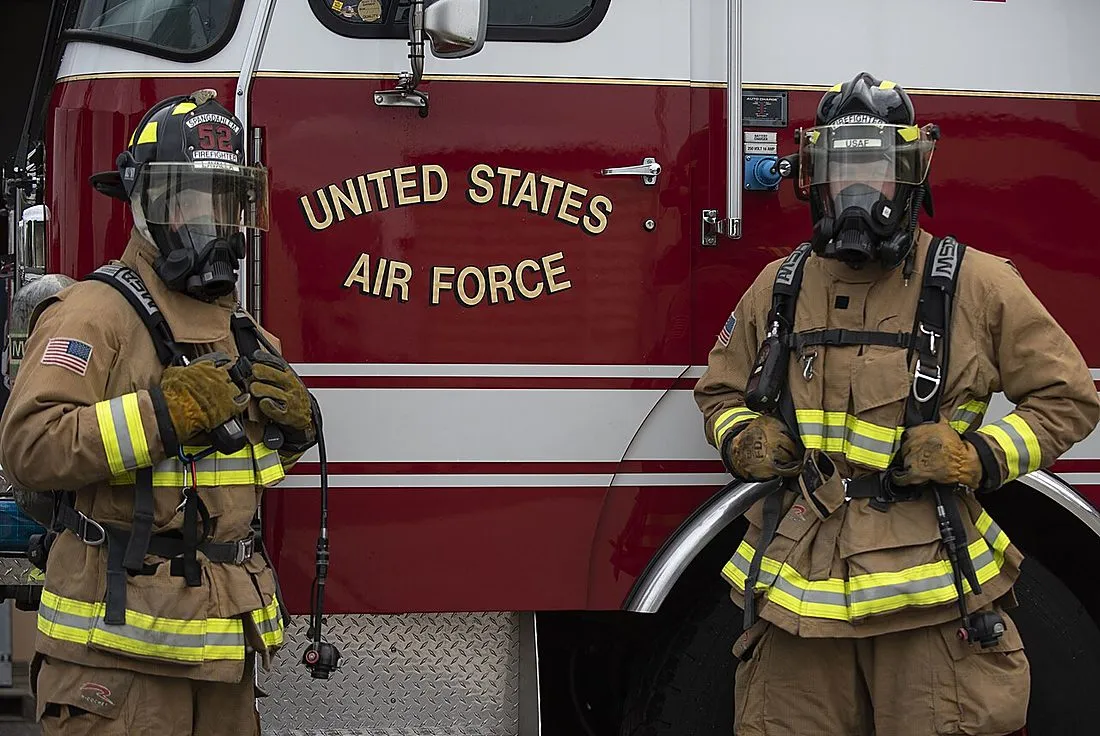
an off-duty firefighter U.S. Air Force photo by Senior Airman Melody Howley (Wikimedia Commons)
Pictured an off-duty firefighter

The dad who dove under an overturned boat three times

Jason Horne was just spending the Fourth of July at a Texas lake with his 12-year-old daughter Emilie when a boat carrying nine people flipped nearby, trapping three children under the hull. Horne, a firefighter and medic with the Midlothian Fire Department, didn't wait for other help to arrive. He dove into the murky water, felt his way blind beneath the capsized boat, and came up first with a boy who was still breathing, then went back down and surfaced with a girl who wasn't. He gave her CPR standing on the overturned hull until she started breathing again, then went under a third time for the last child, who came up tangled in anchor rope with no pulse, and Horne restored it before getting him to shore.

All three kids survived with no serious injuries. Emilie watched the whole thing from the dock. "I just saw him dive in," she said. Afterward, once it was over, Horne let himself feel it: "I had a little emotional moment in the boat when it was just me and my wife." He put it simply: he's just glad he happened to be exactly where he was needed [192].

The common thread · How today's discoveries connect Open editor's note
Fresh today · July 11, 2026

The discoveries, in full

a Japanese tree frog
Pictured a Japanese tree frog · artinstitutechicago (via rawpixel)
01/08 Natural Sci.

A frog's gut bacterium cured cancer in mice with one shot

Researchers at the Japan Advanced Institute of Science and Technology went looking through the intestines of Japanese tree frogs, fire-belly newts, and grass lizards for anything unusual, and found it.

Among 45 bacterial strains they isolated and grew in the lab, one called Ewingella americana stood out: a single intravenous dose completely eliminated colorectal tumors in mice, a 100 percent complete response rate that beat both a checkpoint-inhibitor drug and chemotherapy used for comparison [3]. The bacterium multiplied about 3,000-fold inside the oxygen-starved core of the tumors within 24 hours, attacking cancer cells directly while also drawing in T cells, B cells, and neutrophils that mounted their own assault.

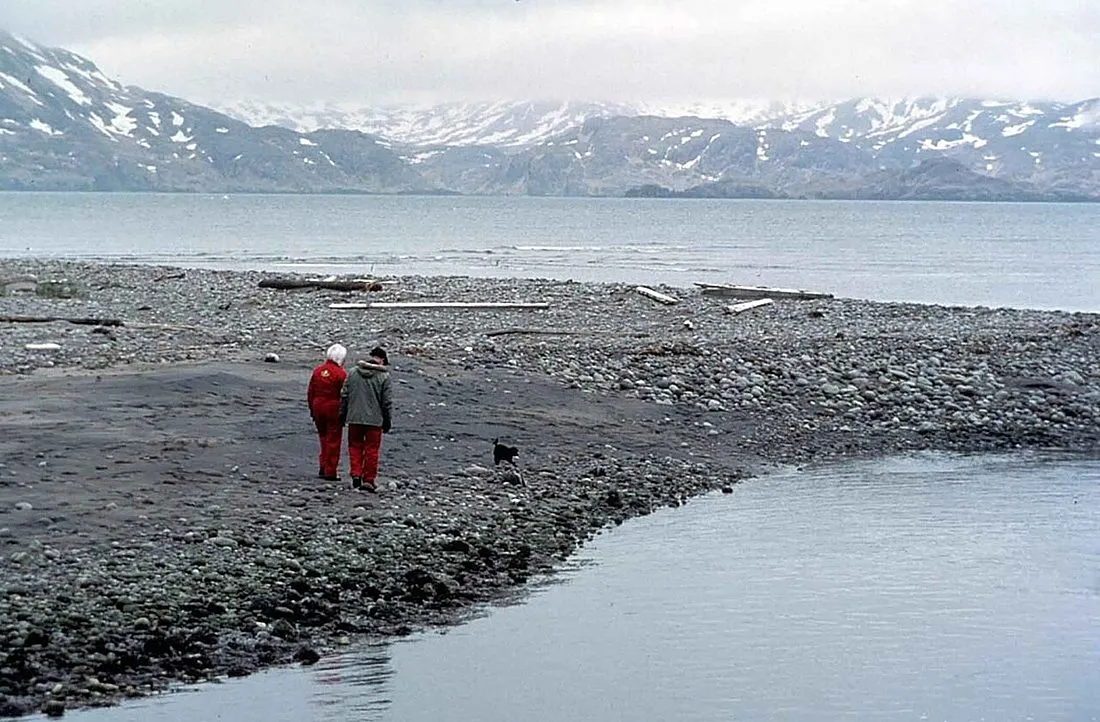
an older couple walking together outdoors
Pictured an older couple walking together outdoors · Rhode Elaine, U.S. Fish and Wildlife Service (Wikimedia Commons)
02/08 Social Sci.

Dementia rates have quietly been falling for decades

Forty years ago, three in ten Americans aged 85 to 89 had dementia. By 2024, it was one in ten, according to research published in the Journal of the American Medical Association [109].

This is not a fluke of one dataset: a separate study of nearly 50,000 people across six countries in North America and Europe found dementia diagnoses falling 13 percent per decade between 1988 and 2015, and the long-running Framingham Heart Study clocked a 20 percent per-decade drop in new cases across nearly 40 years. People who turned old in 2013 were 44 percent less likely to have dementia than people who turned old in 1978.

an electric vehicle charging station
Pictured an electric vehicle charging station · U.S. Department of Agriculture (via rawpixel)
03/08 Natural Sci.

A sodium battery that charges in four minutes and barely degrades

Sodium batteries have always had a fatal flaw: charge them fast and the sodium grows spiky, dendrite-like crystals that eventually short-circuit the whole cell. A team of Chinese researchers built a tough, quasi-solid gel electrolyte, nicknamed Sn-FB QSE, that physically blocks those dendrites from forming [8].

They cycled the battery for more than 6,000 hours without a single short circuit, charged it from empty to full in four minutes while it still held 80.1 milliampere-hours per gram, and at a slightly gentler 20-minute charge it retained 90 percent of its capacity over 2,000 cycles, matching the theoretical ceiling of today's lithium-ion cells.

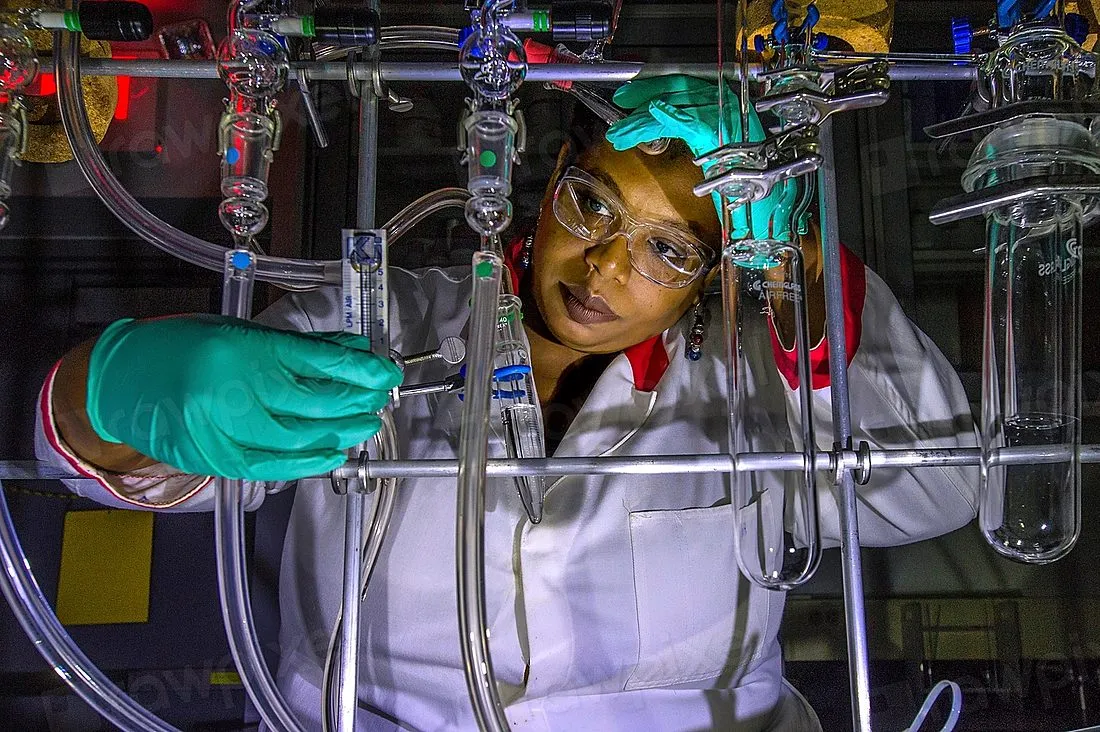
a cancer research laboratory
Pictured a cancer research laboratory · U.S. Department of Energy (via rawpixel)
04/08 Technology

CAR T cell therapy finally has a way into solid tumors

CAR T cell therapy, which reprograms a patient's own immune cells to hunt cancer, has worked wonders against blood cancers but has struggled against solid tumors like brain, breast, and lung cancer, largely because those tumors do not share one consistent target.

Now two separate research teams have converged on the same one: a cell-surface protein called GPNMB [170]. A team led by Sheila Singh at McMaster engineered CAR T cells against GPNMB that rapidly destroyed glioblastoma, one of the deadliest brain cancers, in patient tissue samples and shrank tumors in mice. A second team used the same target against an aggressive soft-tissue cancer, and in an early trial, one infusion in a single patient stabilized the disease for three months with no serious side effects.

Today Got Better
05/08 Psychology

A muscle supplement may power up failing brain cells in Alzheimer's

Creatine, the cheap powder gym-goers use to build muscle, works by ferrying spare energy to cells that have run their ATP reserves dry, and the brain relies on the exact same recycling system muscles do.

In a small study out of the University of Kansas Medical Center, Alzheimer's patients who took daily creatine for two months showed measurable boosts in brain energy levels and cognitive test scores [83]. Alzheimer's is increasingly understood as a disease of failing cellular power plants as much as toxic protein buildup, and this is one of the first human trials to test whether simply refueling those cells helps.

Today Got Better
06/08 Psychology

Individual brain cells may be why humans think the way we do

A team led by scientists at the Hebrew University of Jerusalem and the Vrije Universiteit Amsterdam trained artificial neural networks to mimic real human and rat pyramidal neurons, then measured how much computational complexity each cell type actually needed to be faithfully copied [77].

Human neurons required dramatically more complexity to imitate than rat neurons did, evidence that a single human brain cell is doing meaningfully more information processing on its own, not just participating in a bigger network of otherwise-ordinary cells.

Today Got Better
07/08 Good News

India's forgotten wells are becoming water lifelines again

In Bengaluru's Sampangiram Nagar, a stone well that had become a literal dumping ground, choked with plastic and silt, is now visited daily by residents filling steel pots and buckets, part of a citywide effort by residents' groups to revive open wells that borewells had made invisible [195].

Three hundred miles away in drought-prone Marathwada, Parmeshwar Poul, who grew up carrying heavy brass pots home from his village well as a child, returned from a comfortable GIS career in Pune to map rooftops, rainfall, and groundwater for over a thousand villages. One idea he introduced, a "Water Budget" that gets villages to count liters the way they count rupees, has become a daily habit in places like Sheboli and Padi [198]. Desilting seven lakes across two districts alone freed up roughly 334 million liters of new storage.

a person writing in a journal
Pictured a person writing in a journal · Kristin Hardwick (via stocksnap)
08/08 Psychology

Childhood trauma memories turn out to be far more reliable than assumed

Researchers pooled 49 studies spanning nearly 40,000 people who had been asked about childhood abuse or neglect at two or more points in time, an average gap of two and a half years apart, and compared their answers [78].

The accounts were remarkably consistent. About one in five people did change some detail over time, but the researchers found no evidence this reflected lying, just ordinary quirks of memory or how safe someone felt disclosing something painful in a given setting.

Fresh today · July 11, 2026

Good news you might have missed

China recovered its first reusable rocket and showed a new way to do it A Long March 10B booster landed itself into a net strung across a ship in the South China Sea, making China the third country, after the US and Blue Origin, to pull off a controlled rocket recovery [127]. Ars Technica
Florida Teen's 'Storm Smart' Program Teaches Hurricane Preparedness to Students, Because the Schools Didn't Sixteen-year-old Elise Raurell noticed her South Florida school never taught hurricane safety, so she built her own curriculum for her Girl Scout Gold Award; more than 500 students have used it so far, often taught by other students [186]. Good News Network
Quebec Firm Pioneers Cyanide-Free Gold Extraction and Arsenic-Capture to Clean up Mining Industry Dundee Sustainable Technologies figured out how to pull gold from ore using sodium hypochlorite instead of cyanide, in just two hours instead of 36, while turning the arsenic byproduct into stable, inert glass [187]. Good News Network
New 'Sagrada Familia' LEGO Set Marks Basilica's Completion and 100 Years Since Gaudi's Death Barcelona's Sagrada Familia was finally declared complete this year, 144 years after construction began, and LEGO is marking it with a 12,060-piece, two-foot-tall set that lets light filter through transparent bricks just like the real basilica [188]. Good News Network
Despite Bankruptcy, the Pittsburgh Post-Gazette Will Endure After Sale to Nonprofit Journalism Institute America's first newspaper west of the Alleghenies, three-time Pulitzer winner, was about to fold after two decades of losses; a nonprofit built specifically to rescue local papers bought it and kept its print editions running [189]. Good News Network
With Cross-Country Bike Tour, Motorcyclists Raised Over $1 Million for Wounded Warrior Project Bikers rode Harleys from Arkansas to Maine and back through the Midwest for three weeks straight, raising over a million dollars for wounded veterans, led by a man who never served but has spent a decade fundraising for those who did [190]. Nice News
This Tiny Corgi Just Might Be the Cutest, and Shortest, Sheepdog in England Daphne, a nine-inch-tall corgi in Cumbria, has spent five years herding 1,200 sheep alongside a team of border collies, barking commands and somehow keeping up despite legs a fraction of their length [191]. Nice News
Two IIT Grads Built AI Underwater Robots to Dive Where Humans Can't and Save India's Coral Reefs After watching a ship-hull inspection stall for lack of an available diver, two engineers built EyeROV, underwater robots that now inspect infrastructure and monitor coral reefs across the Andaman and Lakshadweep islands [201]. The Better India
Psychedelic use linked to lower likelihood of migraines, twin study finds In Swedish twin pairs where one sibling had used psilocybin or LSD and the other hadn't, the psychedelic user had almost three times lower odds of ever having had migraines, a design that helps rule out genetics as the real explanation [79]. PsyPost
Targeted magnetic stimulation of the brain shows promise for memory improvement A meta-analysis of 38 studies and over 1,000 people found that a noninvasive magnetic pulse technique aimed near the hippocampus reliably improves episodic memory, the kind that lets you recall what actually happened to you, without touching other cognitive skills [86]. PsyPost
Daily maitake mushroom consumption may boost memory in older adults Healthy older adults in Japan who ate bread enriched with maitake mushroom improved on cognitive tests, and the gains tracked with a boost in immune activity, one of the first human trials to test a mushroom long used in Asian cooking [85]. PsyPost
What to Do If You Spot a Snake at Home During Monsoon, According to Trained Rescuers When a three-foot rat snake turned up in a Delhi kitchen cabinet during monsoon rains, the family called Wildlife SOS instead of panicking, and a trained team relocated it safely, one of thousands of calm, no-harm rescues that happen across India every rainy season [202]. The Better India
New holographic 3D printing technique creates leak-free microstructures in 20 seconds University of Utah engineers built a laser mask that hardens an entire microscopic structure in one flash instead of layer by layer, cutting print time from hours to 20 seconds while eliminating the weak seams that used to make tiny parts leak [157]. Interesting Engineering
A woman feared the worst about her husband. Turns out his new passion was books. A wife who tailed her husband suspecting an affair found him instead volunteering as a reading buddy for a first-grader, quietly finishing a year of adult literacy classes after 52 years of hiding that he'd never learned to read well [207]. Upworthy

Everything we read today

Natural Sciences 70 articles
PLOS One
Life Sciences & Medicine 6 articles
Psychology & Behavioral Science 31 articles
Psyche | Know Your Self
Social Sciences 17 articles
Technology & Innovation 46 articles
Plant-Based & Vegan 14 articles
Solutions & Good News 29 articles
Human Stories & Ideas 13 articles
The long view · not today's news, the story behind it

Today's discoveries didn't come from nowhere. Here's the older, ongoing story they belong to, a moment from this day in history, and a question to test what stuck.

The story so far

On this day in science

1962 NASA charts the course to the Moon NASA announced it would use lunar orbit rendezvous, the clever flight plan that made landing astronauts on the Moon feasible. The decision shaped the entire Apollo program. More from the Almanac →

Before you go: today's quiz

The daily quiz

By how much have wild polio cases fallen since 1988?

Reveal the answer

Over 99 percent

The WHO reports wild poliovirus cases have fallen by over 99 percent since 1988, from an estimated 350,000 a year to a handful, in just two countries.

See the Lifesaver →

Get this every morning.

Liked today's? Wake up to tomorrow's, in one short letter.

The full letter, every morning, free for good.

Same free letter, plus the reason it stays that way: no ads, no investors, no agenda but the good news itself.

A single gift of any amount. No account, never a recurring charge.